Surging Early Ballots Force Candidates to Compress Final Midterm Schedule
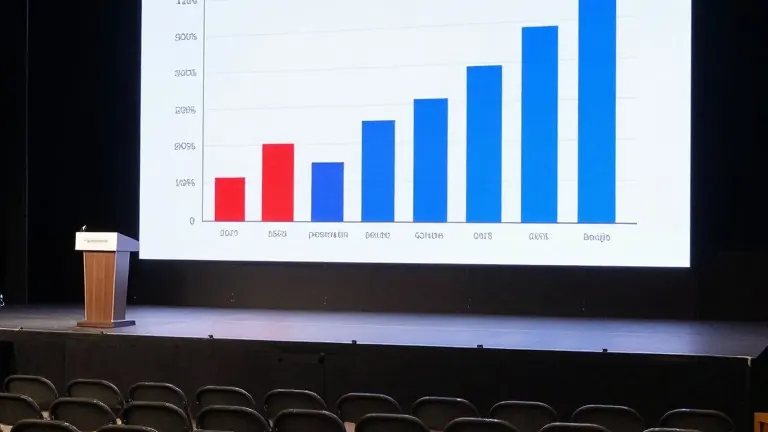
A sharp rise in early vote totals is compressing the campaign calendar, forcing candidates to consolidate stops and adjust messaging in the final week before Election Day.
By Marco Ortega ·
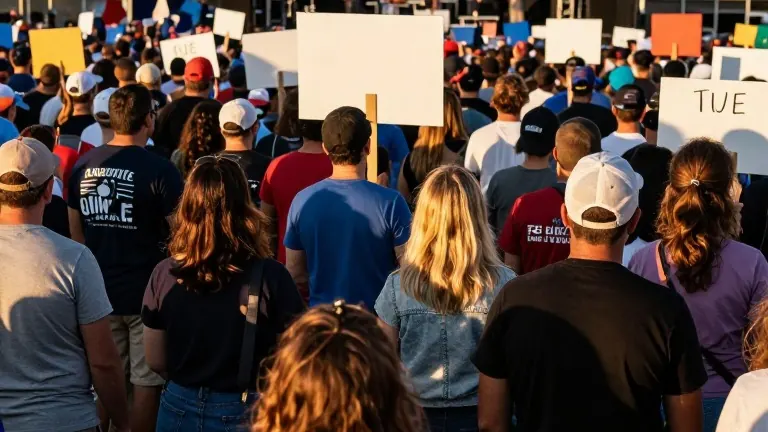
Campaign schedules across the country have shifted into high gear as early voting numbers surge in the final week before the midterm elections. Candidates are compressing their travel routes to cover more ground in fewer days, responding to data that shows a heavy volume of ballots has already been cast. This acceleration marks a distinct change from previous midterms, where the final days were often quieter before the November peak.
The spike in early voting is the central driver of this logistical shift. Campaign managers report that their field teams are working extended hours to match the pace of the voter turnout. The data suggests that a large portion of the electorate has already secured their vote, reducing the time available for last-minute persuasion efforts. This early momentum is reshaping how candidates allocate their remaining resources and time on the road.
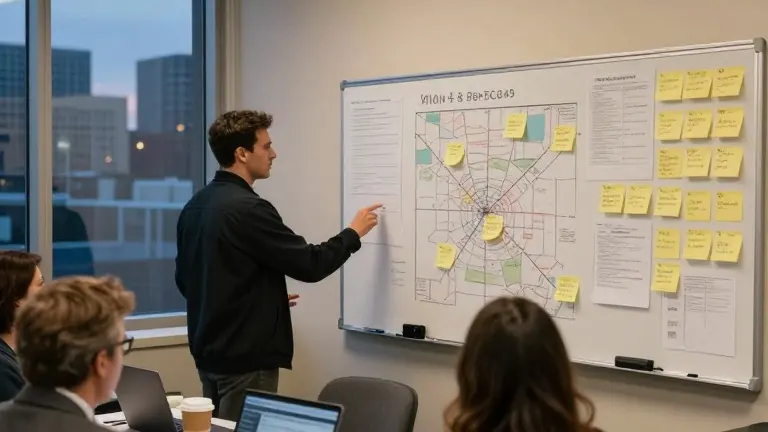
In the field, candidates are adjusting their tactics to match the new reality. Instead of spreading themselves thin across multiple states, many are focusing on key swing districts where the early vote counts show the tightest margins. These concentrated efforts allow for more direct engagement with undecided voters in critical areas. The strategy reflects a move toward targeted outreach rather than broad, national-level visibility in the closing days.
The people involved in these campaigns, including local party leaders and field organizers, are managing the increased pressure of the compressed timeline. They report that coordination efforts have intensified to ensure that messaging remains consistent despite the rapid pace of travel. Volunteers are being deployed in larger numbers to support the dense schedule of events and rallies. This human element of the operation is critical to maintaining the energy and focus required in this final phase.
The stakes of this midterm election are high for both parties, with control of key legislative chambers at issue. The surge in early voting introduces a variable that complicates traditional final-week polling and prediction models. Candidates must now account for a larger, less visible pool of voters who have already voted, which may alter the dynamic of final-day messaging. The outcome will depend on how effectively these candidates can convert this early enthusiasm into a sustained advantage on Election Day.
Source: Cascade PBS