Voters Decide Who Pays For Prices
Pennsylvania midterm races center on grocery bills, with candidates blaming federal policies for household strain.
By Marco Ortega ·
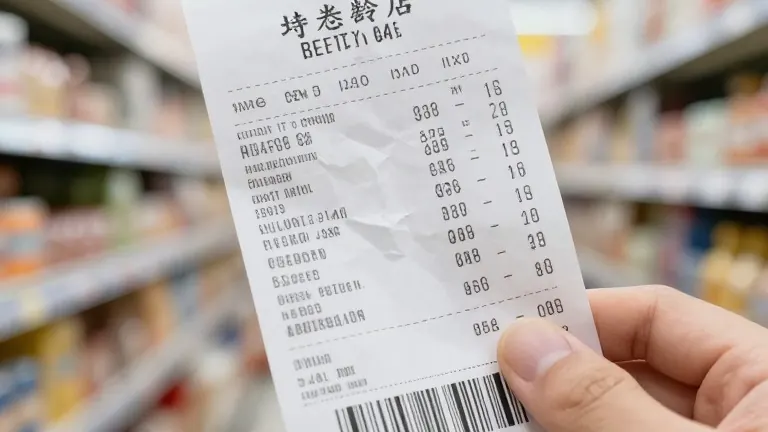
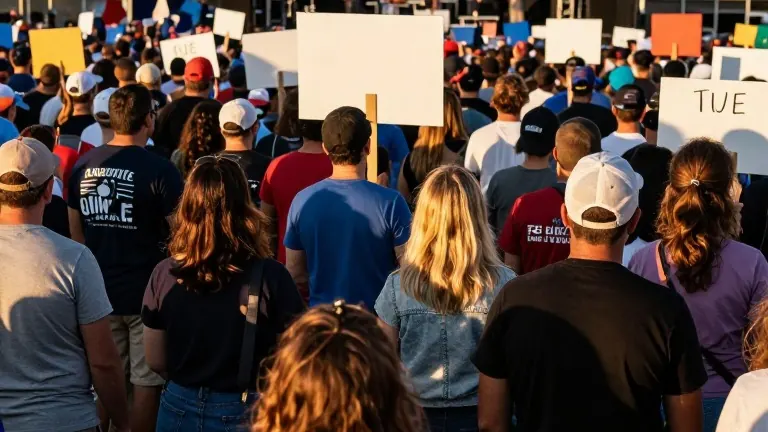
Voters in Pennsylvania face a simple question on Tuesday: who is responsible for the rising cost of a gallon of milk and a loaf of bread? The state’s midterm elections have turned into a referendum on household budgets rather than traditional partisan loyalty. Candidates on both sides of the aisle are dropping standard platform language to focus squarely on the grocery receipt. They want to know if the average family can afford to eat this month.
Republican candidates argue that federal policy choices are driving the inflation they see in local markets. They point to tax structures and trade agreements as the primary culprits for the price hikes. Their messaging suggests that fixing the national ledger will lower the local bill. They urge voters to support leaders who prioritize cost of living over other legislative goals.
Democratic candidates counter that the issue stems from corporate behavior and labor dynamics. They argue that large retailers and manufacturers are capturing most of the profit margin while consumers absorb the risk. Their campaigns emphasize the need for stronger oversight of big business practices. They frame the vote as a choice between protecting workers and protecting shareholders.
Local race dynamics show a shift in voter priorities. Polls indicate that economic anxiety outweighs other issues like healthcare or education for a majority of likely voters. This trend is visible in swing counties where margins have historically been tight. The focus on prices has complicated the narrative for incumbents who served during the peak inflation period.
Campaign advertisements in the state have become unusually blunt. They feature close-up shots of price tags and empty shelves. The ads rarely mention specific legislation, relying instead on emotional resonance with daily struggles. This approach reflects a broader national strategy to keep the debate grounded in tangible expenses. It avoids abstract policy jargon that can confuse undecided voters.
The contest includes a statewide race for governor and several congressional districts. These positions offer direct insight into how voters will allocate blame. The results will likely influence the strategy of parties heading into future cycles. A clear winner on the economic issue would provide a strong mandate for their policy direction.
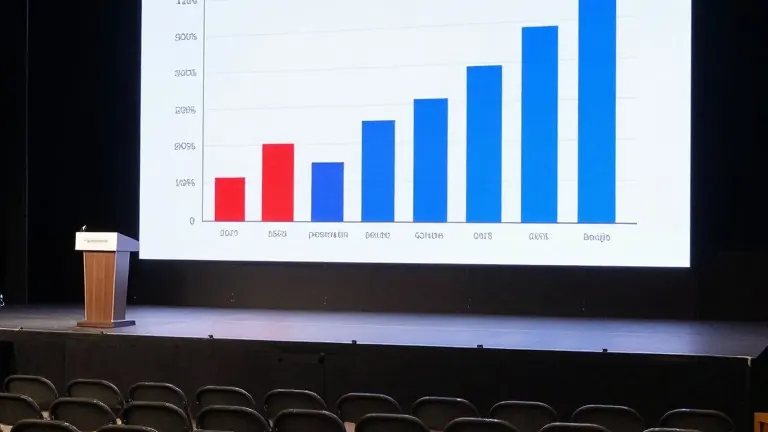
Data from recent economic indicators shows that food prices in Pennsylvania have risen faster than the national average over the past year. This local disparity has fueled the intensity of the campaign. Candidates cite these numbers in debates and town halls. The discrepancy between state and national figures has become a key talking point in their speeches.
Source: Cascade PBS