100% of Big Ten Rosters Now Feature at Least One DIII Transfer
A growing number of student athletes are moving from non-scholarship schools to major conference programs, a trend that now touches every roster in the conference.
By Zanele Khumalo ·

The hierarchy of college athletics has long been viewed as a rigid ladder, but the bottom rung is increasingly proving to be a launchpad rather than a dead end. The central question for student athletes today is no longer just about winning at the current level, but whether the jump to a larger conference is the right strategic move for their careers and personal lives.
The most recent evidence of this shift comes from McKena Ramos, a track and field athlete who recently completed a move from UW-Oshkosh to UW-Madison. Ramos arrived at the Division III institution as a recruited prospect, yet his coaches were not initially confident he would reach the pinnacle of the sport so quickly. Eamon McKenna, the head coach for track and cross-country at Oshkosh, admitted that the coaching staff saw Ramos as talented but under the radar. They did not expect a freshman to capture a national title.
Ramos set a personal benchmark for himself before the indoor national meet: if he won the 800-meter title as a freshman, he would seriously consider moving up to Division I. He viewed the potential victory as a wager against his own expectations. He won the indoor title, followed it up with an outdoor 1500-meter national championship, and then executed his transfer to the Badgers program. Now a senior from Sheboygan, Ramos has contributed to both the track and cross-country squads in Madison. He notes that the higher intensity of competition has improved his times, stating that the biggest athletic difference is that everyone on the roster is at his level or above.
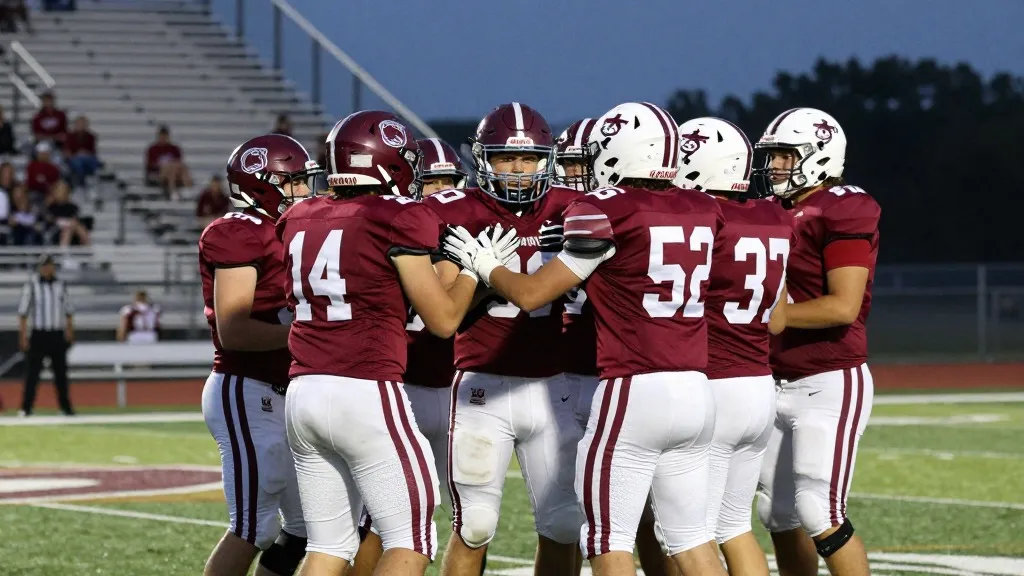
This trajectory is part of a broader pattern within the Big Ten. In recent years, several high-profile athletes have made the leap from Division III schools into the conference. The trend has become so pervasive that every school in the Big Ten currently has at least one such transfer on at least one roster. In football, two Badgers have followed a similar path. Ricky Finco, a junior wide receiver who primarily practices with the scout team, transferred to Madison after one year at UW-Whitewater. Ryan Ramczyk, an offensive lineman, had a standout season at UW-Stevens Point before earning All-American honors in Madison, a performance that improved his standing on NFL Draft boards.
However, the move to a larger program is not a universal success story. Emma Paulson, a swimmer who began her college career at UW-Madison, decided after her freshman year that the top level of competition was not the right environment for her. She transferred back to the Division III ranks, joining the University of St. Thomas in Minnesota. Paulson explained that while the move might work for some, it was not the correct fit for her personal needs and competitive style.
At St. Thomas, Paulson finished her collegiate career with three individual national championships and nine individual All-American designations. She observed that her swimming times met Division I standards, but the overall culture of the school aligned better with Division III. She noted that swimming at the top level can consume a student's entire life, whereas at the lower division, it remains just a part of it.
Resource availability remains a distinct differentiator between the two levels. Division III schools do not offer athletic scholarships, and their facilities are generally smaller than those at Division I institutions, which tend to invest more heavily in infrastructure. Ramos noted that while the running workouts were similar, Madison provided access to athletic training facilities such as ice baths that were absent at Oshkosh. He also credited the tutoring available at the Fetzer Center and the ability to take exams while traveling for his academic success. In contrast, Paulson said she is held to the same academic standards as non-athletes at St. Thomas, with no designated academic support services for student athletes.
Despite the differences in structure and support, both athletes maintain that they would make the same decisions again. Ramos described his experience at Madison as fulfilling a dream he had held since middle school, stating that he is absolutely happy with the choice. The coaching perspective, however, remains cautious. McKenna advised that while standing out in Division III opens doors to Division I opportunities, the critical factor is whether an athlete can replace the specific qualities that made them dominant at their previous school.
The coming months will likely see more athletes weigh these factors as they evaluate their next steps. The trend suggests that the divide between the divisions is blurring, with talent and ambition flowing across the traditional lines of college sports.
Source: The Daily Cardinal