Apple's $1,999 Duo Returns Touch ID, Loses Face ID
Apple’s first foldable phone returns to fingerprint security and faces software compatibility hurdles.
By Bianca Shevchenko ·
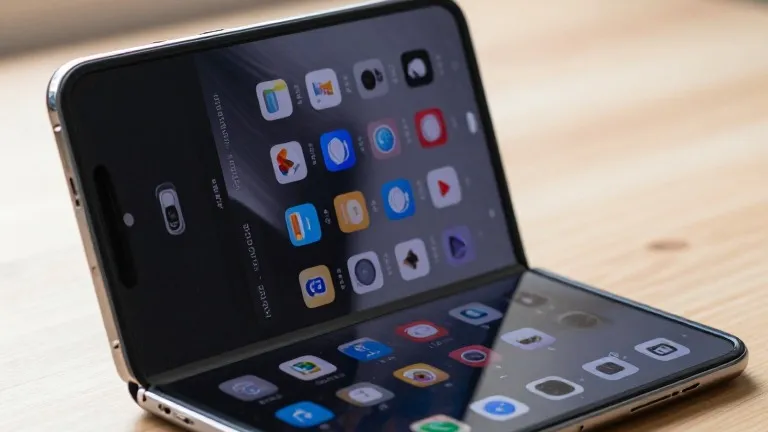
Apple’s new iPhone Duo, the company’s first folding smartphone, is priced at $1,999. The device launches seven years after Samsung introduced the Galaxy Fold. Wired describes the hardware as a "pretty dang good foldable," noting that the extended development period allowed Apple to refine the design out of public view.
The device features a 5.4-inch outer screen and a 7.6-inch inner display. This new form factor has created software challenges for third-party developers. While Apple’s own apps are redesigned for the layout, many other programs display as a narrow strip centered on the screen with thick black bars on the sides. Slack, Instagram, DoorDash, and WhatsApp have received updates for iOS 27.1, but Instagram still shows broken interface elements. Apple has also moved navigation controls to the right rail instead of the bottom center. Because the phone is currently back-ordered for several weeks, developers may finish updates before many customers receive their units.
The iPhone Duo marks a departure from recent iPhone design by eliminating Face ID. Apple uses Touch ID instead, placing the sensor on the right side of the device. This is the first time a flagship iPhone has returned to fingerprint authentication, though the technology remains on the iPhone SE, iPads, and MacBooks. The thinness of the foldable is the likely reason for the change. The Dynamic Island remains, but it is now located at the top-right edge near the outer selfie camera and appears in the same corner on the inner display during live activities.
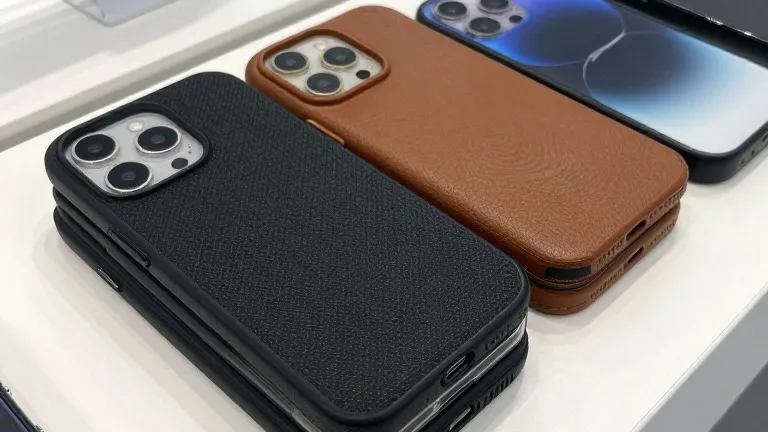
Accessories require adjustment for the new shape. The Duo supports MagSafe, but it tips to one side when unfolded and attached to a car dock or tripod due to uneven weight. Third-party makers may need to add anti-rotation magnets. Magnetic wallets fit, but they extend past the bottom edge because the phone is shorter than other models, and Apple has not offered an official fix.
The camera system offers new options. Users can take selfies with the rear cameras while viewing the preview on the outer screen. A "Slide to show camera" control moves the full camera app to the outer display and disables the inner screen to prevent accidental touches. The phone also includes "Duo Preview" for the subject to see the viewfinder and "Kids Cue," which plays Snoopy animations on the outer screen to attract a child’s attention.
Multitasking allows users to drag an app to either side of the inner screen to run two apps side by side. Tapping the middle bar locks the pair, making them accessible from the Recent apps menu, though they cannot be saved as a single icon. Apple warns that the matte nano-texture finish on the inner screen is integral and should not be removed. A damaged finish costs $19 with AppleCare+ or $49 out of warranty. A cracked inner display costs $999 without AppleCare+. Future software updates will add Reachability and support for the USB-C Apple Pencil, which has no storage place on the phone.
Source: Wired