Apple's 25-Year-Old iPod Redefined Portable Music Storage
Two decades and a half after its launch, the original iPod's strategic integration of hard drive technology and ecosystem lock-in remains a pivotal case study in consumer tech history.
By Aiko Yamamoto ·
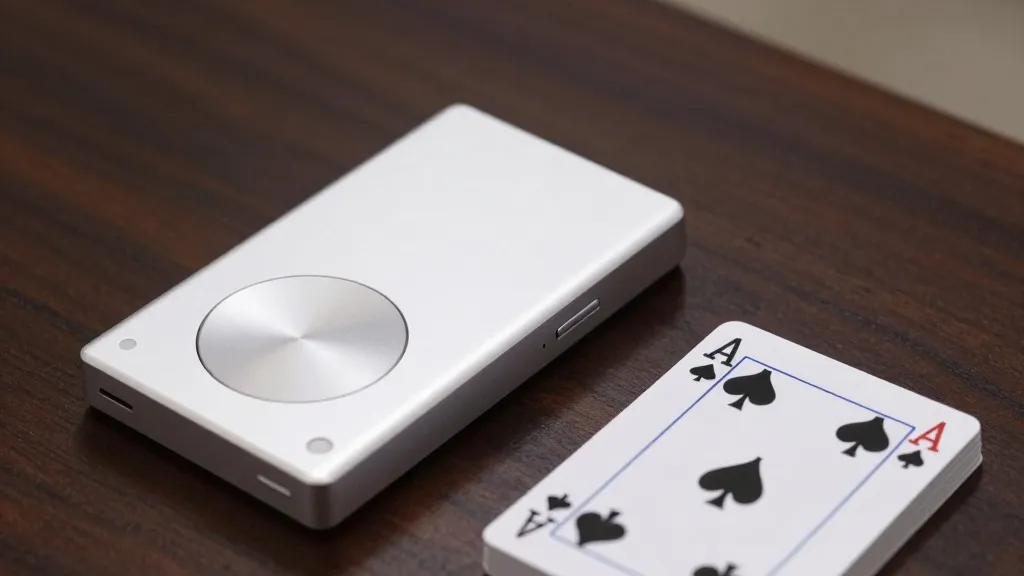
Twenty-five years ago this week, Apple introduced a device that fundamentally altered the economics of portable audio by storing 1,000 songs in a package no larger than a standard deck of cards. The original iPod, priced at $399, achieved this density through the use of a 5-gigabyte hard drive, a capacity that allowed the average consumer to carry their entire musical collection in their pocket for the first time. This specific combination of storage volume and form factor remains the device's most consequential legacy in the history of personal electronics.
The launch marked a strategic pivot for Apple, which was in the midst of a corporate revival following the dot-com bubble burst. CEO Steve Jobs positioned the product as the missing hub in a broader digital lifestyle, connecting cameras, video devices, and music players to the Mac. While competitors such as Sony and Creative already offered portable players, Jobs argued that the market lacked a definitive solution. He identified hard-drive-based jukeboxes as the optimal entry point, dismissing flash memory and CD-based options as insufficient for the growing demand for large music libraries.
The engineering behind the device relied heavily on a 1.8-inch, ultra-thin hard drive supplied by Toshiba, which enabled the compact 2.4 by 4 by 0.78-inch chassis. Weighing just 6.5 ounces, the hardware was marketed as lighter than most contemporary cell phones. The physical design featured a minimalist aesthetic and a scroll wheel with piezoelectric tactile feedback, allowing users to navigate playlists with a single hand. This interface was designed to prioritize speed and ease of use, a core tenet of Apple's product philosophy at the time.
Beyond storage, the iPod differentiated itself through its connection speed. The device utilized FireWire 400 for data transfer and charging, a technology that allowed a full CD of music to transfer in five to ten seconds. This stood in stark contrast to USB connections of the era, which could take up to five minutes for the same data load. Consequently, filling the entire 1,000-song capacity took approximately ten minutes, compared to the five hours required by USB-based competitors. The inclusion of a rechargeable lithium-polymer battery provided ten hours of continuous playback, with an 80% charge achievable in one hour.
The software ecosystem played a critical role in the device's success. Launched alongside iTunes 2, the iPod featured an Auto-Sync function that kept the portable library perfectly aligned with the user's curated collection on their computer. This seamless integration created a sticky user experience that competitors struggled to replicate. The device also functioned as a FireWire hard drive, further embedding it into the user's digital workflow.
Although the iPhone arrived in 2007 and eventually absorbed the iPod's primary function, the two product lines coexisted for over a decade. The iPod's final iteration, the 7th-generation Touch, was released in May 2019, though the line was not officially discontinued until May 2022. The original model's success in 2001 established a template for how hardware, software, and connectivity could be unified to create a dominant consumer platform.
Source: Tom's Hardware