Colorado River Midterms: Candidates Trade Blows, but Water Cuts Remain Stuck
Six basin states elect governors this week, yet experts say partisan shifts are unlikely to break the deadlock on federal water allocation rules.
By Bianca Shevchenko ·
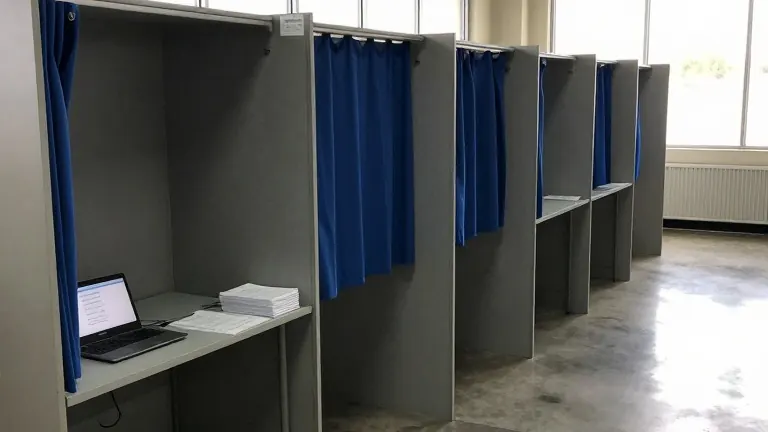
Governors across the Colorado River Basin are trading accusations in the final days before the midterm elections. In Nevada, Democratic candidate Aaron Ford claims incumbent Republican Gov. Joe Lombardo mishandled river negotiations. In Arizona, Republican candidate Andy Biggs argues that Democratic Gov. Katie Hobbs cost the state millions of gallons of water. The Trump administration joined the critique, accusing Hobbs of playing politics while the state filed a motion to join Nevada in suing the federal government.
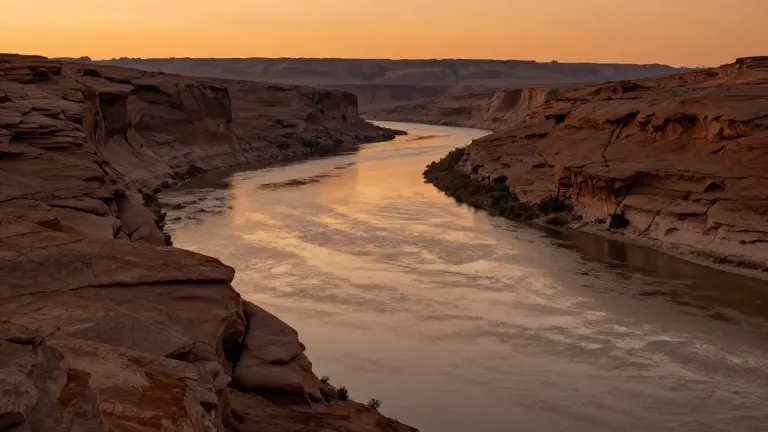
The federal government imposed a 10-year framework for water cuts after state-level negotiations failed. These allocation reductions fall entirely on California, Arizona, and Nevada, the Lower Basin states. Nevada and Arizona have sued the Department of the Interior over the plan. A larger lawsuit involving all seven states remains a possibility as the basins disagree on key clauses in the governing compact.
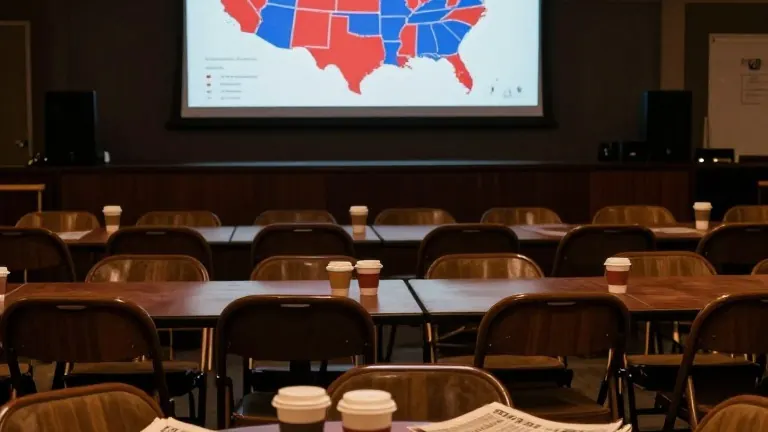
Six of the seven basin states hold gubernatorial elections this year. Most races track current partisan splits. Democrat Xavier Becerra leads Republican Steve Hilton in California. Phil Weiser, the current attorney general, holds a strong lead over Victor Marx in Colorado. Deb Haaland has a comfortable lead over Gregg Hull in New Mexico. Eric Barlow holds a commanding lead over Kenneth Cassner in Wyoming. Ford and Lombardo are locked in a tight race in Nevada, while Hobbs maintains a cushion over Biggs in Arizona.
Gary Wockner, founder of Save the Colorado, notes that water politics are surprisingly nonpartisan. He has lived in the basin for 40 years. He argues that regardless of which party holds power, officials primarily seek to secure every legal drop of water available to their states. This competitive dynamic prevents consensus on how to share the dwindling resource.
Negotiations have stalled because the Upper and Lower Basins disagree on the size of necessary cuts. The Lower Basin, which no longer overuses its allotment, proposes taking less water during specific drought conditions. The Upper Basin, which has never used its full allotment, resists mandatory cuts. Upper Basin states argue that hydrological uncertainty at the headwaters makes such moves unworkable. Elizabeth Koebele, a political science professor at the University of Nevada, Reno, says this is the most pessimistic she has ever been about the states reaching a consensus.
Water is a top issue for voters in the West, but not uniformly. In Arizona, Phoenix could lose its entire supply under some scenarios of the federal plan. Polling from the Center for the Future of Arizona shows 69 percent of voters lack confidence in long-term water supplies. In Colorado, New Mexico, and Wyoming, water plays a smaller role in the campaigns. These states face no mandatory cuts under the new federal plan.
Sarah Porter, director of the Kyl Center for Water Policy at Arizona State University, says personal feelings are involved among state negotiators. She notes that while positions are unlikely to change drastically, new leadership could facilitate new types of agreements. Celene Hawkins, Colorado River program director at The Nature Conservancy, says newly elected officials must lower the temperature. She hopes leaders will commit to finding a long-term solution for a hotter and drier future.
Source: Wyoming Public Media