Gaza Winter Shelter Gap: 18% Coverage for 294,000 Families
With temperatures set to drop to 7C and only a fraction of shelters ready, displaced residents face their fourth winter in tents amid stalled aid deliveries.
By Chinedu Schneider ·
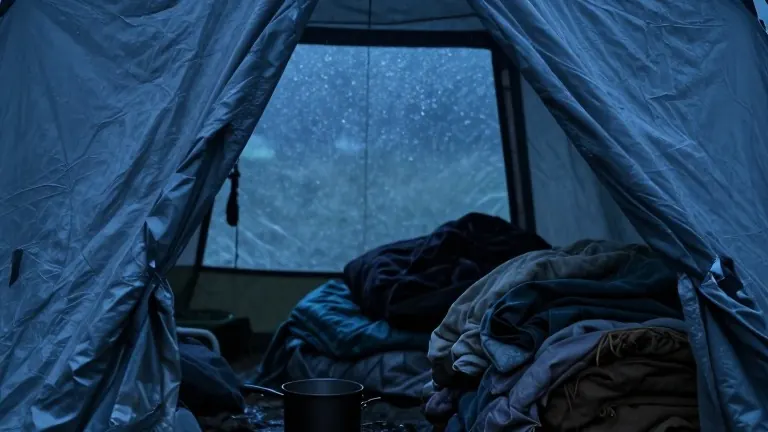
Displaced families in Gaza are preparing for a fourth winter with limited resources, facing temperatures that can fall to 7C (45F) and strong coastal winds. The Office for the Coordination of Humanitarian Affairs (OCHA) estimates that 294,250 families require winter shelter assistance. Current supplies cover only 52,000 families, leaving roughly 18 percent of those in need with partial humanitarian aid. For many residents, this means relying on damaged tents that offer minimal protection against rain and cold.
Shelter materials remain scarce due to logistical delays. The Norwegian Refugee Council reported on October 5 that at least 500 truckloads of supplies, including tents, tarpaulins, and ropes, are awaiting entry or procurement. At the current pace, the council stated it could take more than seven months for these items to reach Gaza. A Shelter Cluster survey found that over 65 percent of displaced households live in tents or makeshift structures. More than half of these shelters are in poor or very poor condition, forcing families to patch leaks with limited funds.
Infrastructure damage in Gaza City exacerbates the risk of flooding. Husni Muhanna, spokesperson for the Gaza Municipality, said that more than 85 percent of the city's infrastructure is damaged. The rainwater drainage system is operating at approximately 20 percent of its previous capacity. Rubble, broken drainage networks, and shortages of heavy machinery and fuel are hindering emergency cleaning efforts. The municipality has begun maintenance work, but resources are constrained, increasing the likelihood that rainwater will mix with wastewater and swamp camps.
Residents describe the cycle of repair and damage as exhausting. Mohammed al-Jamal, 60, lives in a tent on a beach in western Gaza City with about 30 extended family members. He said his family patches their shelter before every storm, but the structures often tear apart in the wind. A replacement tarpaulin costs between 120 and 150 shekels ($37 to $47), a price his family often cannot afford. Khitam Salman, 39, said one of her tents collapsed four times during sleep. Her husband, a health sector worker, receives his salary only once every three months, which is insufficient to buy multiple tarpaulins for their living space and storage.
The war in Gaza, which began in October 2023, has killed more than 74,500 Palestinians and destroyed or damaged over 80 percent of buildings. Approximately 1.5 million of the enclave's 2.3 million residents now live in tents or makeshift shelters. Yosra Mesleh, 45, preparing for her second winter in a tent, noted that water frequently soaks bedding and belongings during rain. Her husband has been out of work since the war began. The family lacks regular cooking gas and proper utensils, making meal preparation difficult during wet weather.
Source: Al Jazeera