Iran Blames US, Warns of Response
Tehran cites Washington for the collapse of a truce while military leaders prepare for potential new strikes.
By Eduardo Salazar ·
The number two is central to the current diplomatic crisis in the Middle East. This refers to the two years remaining in US President Donald Trump's final term, a timeframe that now looms large as tensions with Iran reach a critical point. The window for political maneuvering is shrinking rapidly for the American leader, who is navigating complex military and electoral pressures simultaneously.
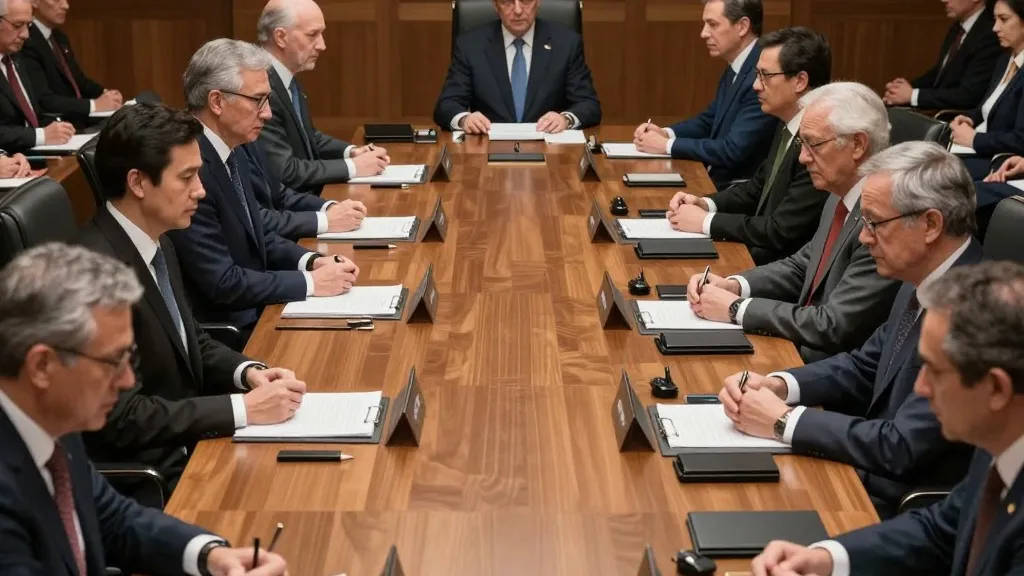
Iranian President Masoud Pezeshkian has placed the burden for the recent collapse of an interim peace deal squarely on the United States. Speaking in comments broadcast by Iranian Press TV on Saturday, Pezeshkian argued that Washington was responsible for the unraveling of the agreement designed to end the war between the two nations and Israel. Despite this assignment of blame, the Iranian leader also signaled a willingness to continue negotiations. He stated that both sides should return to the table to conclude the deal, suggesting that a diplomatic solution remains preferable to further conflict.
The urgency of these remarks is driven by fears that military action could resume as early as this weekend. On Friday, President Trump hinted at further engagement by stating he "may do another little Epic Fury." This phrase references the codename used for the US-Israeli war against Iran, which began on February 28. The use of this specific terminology has heightened anxieties among regional observers who are watching for signs of renewed bombardment.
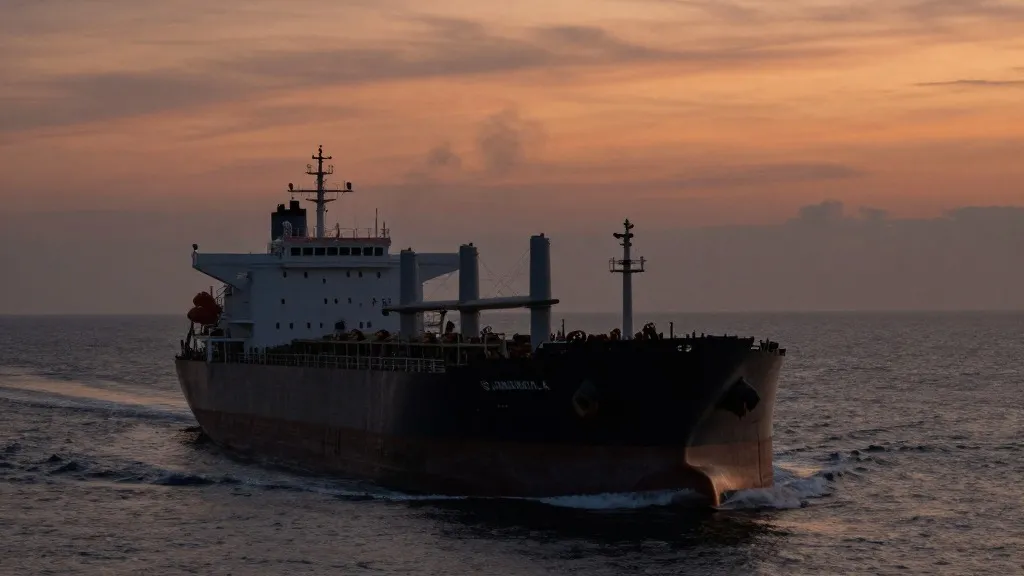
Military hardliners in Iran are preparing for a robust response if strikes occur. The Islamic Revolutionary Guard Corps has warned that even limited attacks would trigger a reaction several times greater in scale. This warning was reported by the semi-official Fars News Agency. Adding to the firmness of the stance, Ali Abdollahi, the Chief of Staff of the Iranian Armed Forces, declared on Saturday that US military forces would not be allowed in the Gulf under any circumstances. He mocked the idea, telling Trump he could only "dream" of such an entry and would take that dream to the grave.
Political timelines in both nations are influencing the strategic calculations. Israeli Prime Minister Benjamin Netanyahu has maintained his commitment to overthrowing the Iranian government. Israelis are set to choose their next government on Tuesday, a vote that will shape their foreign policy direction. Meanwhile, Trump faces crucial midterm elections on November 3. If Democrats win control of both the House of Representatives and the Senate, it would be a significant blow to his legislative agenda during the final two years of his presidency.
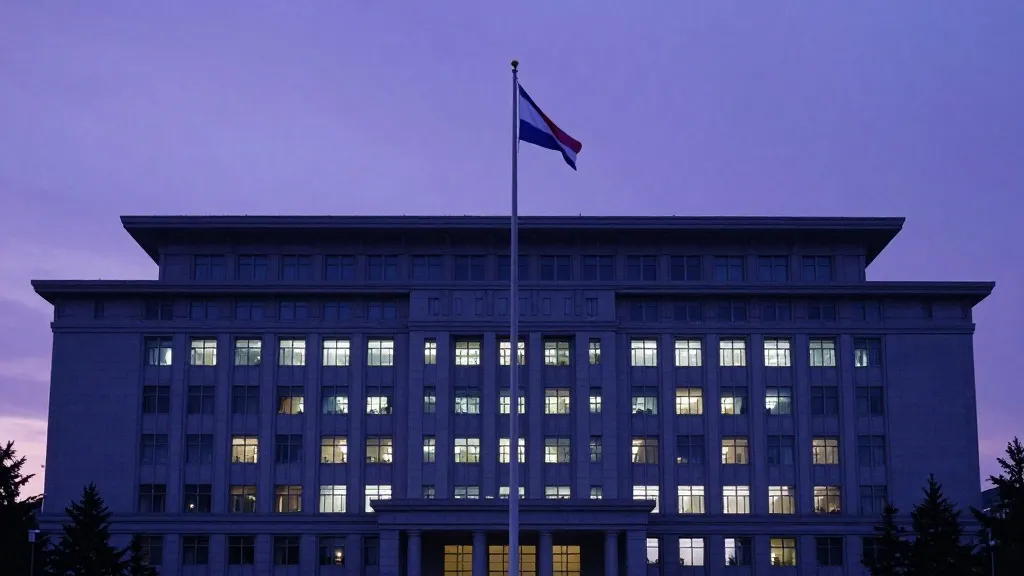
Iranian government spokesperson Fatemeh Mohajerani articulated the country's defensive posture in a memo on Saturday. She stated that Tehran would not wait for permission to defend itself. Mohajerani emphasized that while Iran seeks peace, it will respond to any aggression with severe consequences. She clarified that the country does not flee from dialogue but also does not hesitate in defending its territory. She added that those who believe they can destroy Iran must correct their calculations.
Behind the scenes, key figures in the Iranian leadership are coordinating their strategy. Gholamhossein Mohseni Ejei, the chief of the judiciary, met with Supreme Leader Mojtaba Khamenei on Saturday. Their discussion covered how to tackle corruption and pursue compensation for citizens affected by the war. Khamenei has not been seen in public since assuming the role in early March. He took over the position after his father was assassinated during the opening strikes of the war on February 28.
Earlier this week, Mohammad Bagher Ghalibaf, the Parliament Speaker and chief negotiator, was reported to have met with Khamenei as well. These high-level consultations suggest that the Iranian leadership is closely monitoring the situation. As the weekend approaches, the combination of public statements and private meetings indicates that both sides are preparing for a potential shift in the status quo.
Source: Al Jazeera