Middle East Tensions: Iran Vows to Target US Navy While Crude Spikes
Tehran declares the Persian Gulf off-limits to American warships as global oil prices hit their highest point since spring and diplomatic talks stall.
By Ken Adams ·
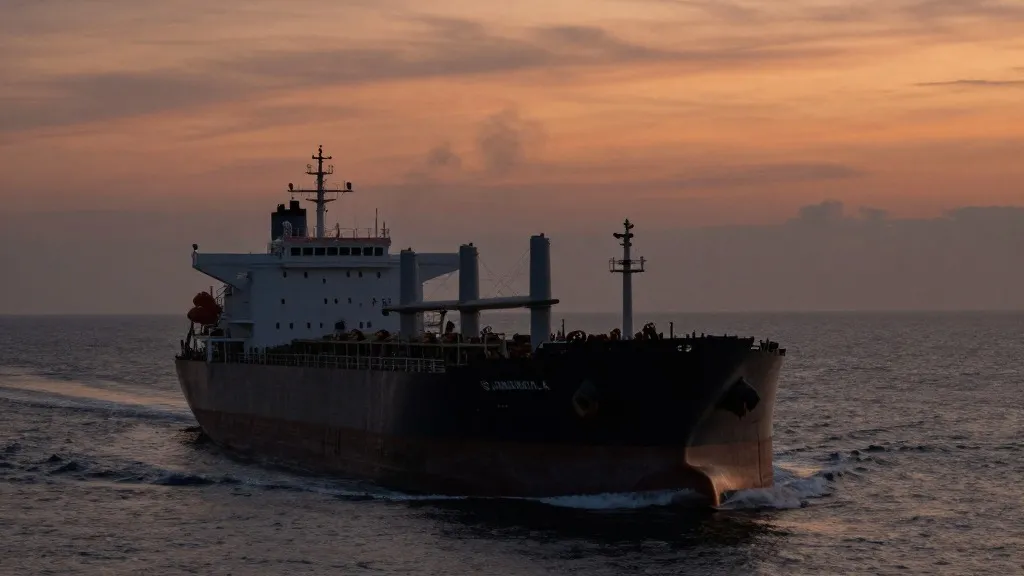
Global energy markets are reacting sharply to the escalating conflict, with Brent crude oil reaching approximately $117 a barrel. This marks the highest price since April and reflects growing fears about renewed combat. The price jump follows a series of attacks on commercial shipping in the Strait of Hormuz, a critical route for global fuel supplies. The instability in the region is directly influencing the cost of energy for consumers worldwide.
Iran’s military leadership has issued a stark warning to Washington. Ali Abdollahi, the chief of general staff, stated that the United States Navy cannot re-enter Iranian territorial waters. He claimed that Iran possesses the capability to target any vessel operating in the area. Abdollahi remarked that US President Donald Trump can only dream of seeing American soldiers return to the Persian Gulf. This declaration comes as the US government weighs its next strategic move in the ongoing conflict.
President Trump addressed a crowd in Florida on Friday regarding the future of the war. He noted that the US has not yet decided on its final approach. Trump mentioned that the military might launch another "Epic Fury" campaign. This phrase refers to the massive bombing operation that started the war. He also considered the option of continuing the naval blockade and sanctions to pressure Tehran instead of launching new strikes.
The Iranian military argues that American actions contradict its verbal claims. Abdollahi pointed out that while the US says it has destroyed much of Iran’s military power, it is hesitant to move aircraft carriers closer to the Iranian coast. The Iranian forces intend to drag the US and Israel into a quagmire. They view this as a response to the surprise attack on February 28 that started the eight-month war. The IRGC has also shifted its doctrine to be more offensive in recent weeks.
Combat is intensifying on multiple fronts. The IRGC reported that seven tankers were attacked or hit mines overnight into Thursday. On Friday, the group claimed two supertankers were struck by mines. In Yemen, Iran-aligned Houthis launched another strike on Riyadh on Saturday. This followed recent attacks on an airport in Dammam and the Shaybah oilfield. Saudi forces have responded by bombing Houthi-controlled areas in Marib and Taiz.
The conflict is also expanding into the Levant. Israeli air strikes hit areas near Nabatieh in southern Lebanon. Artillery fire fell near Zawtar ash-Sharqiyah. In the West Bank, Israeli Prime Minister Benjamin Netanyahu ordered a lockdown after a Palestinian attack killed two soldiers in Hebron. Netanyahu faces a general election on October 27, which adds political urgency to the military situation.
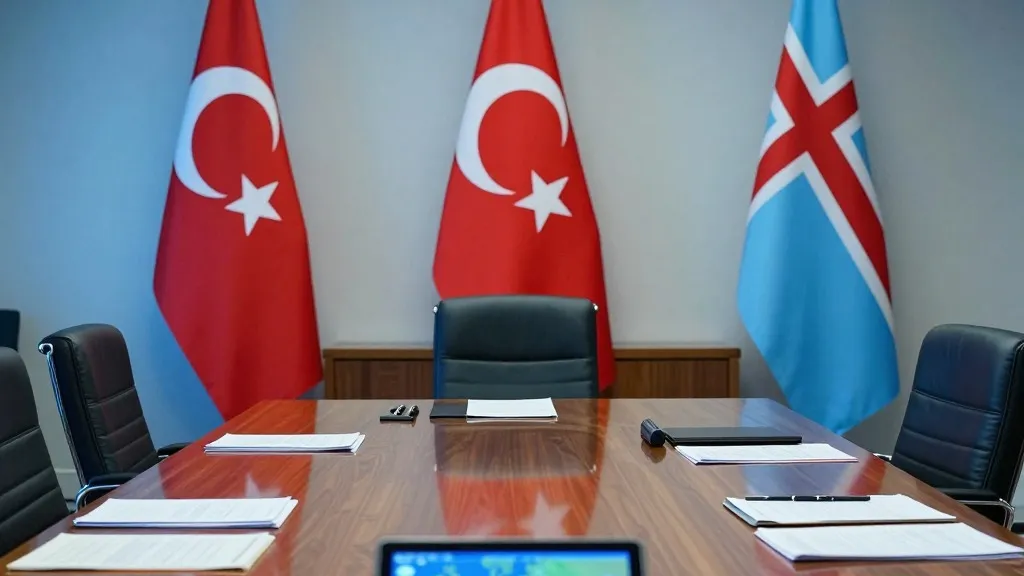
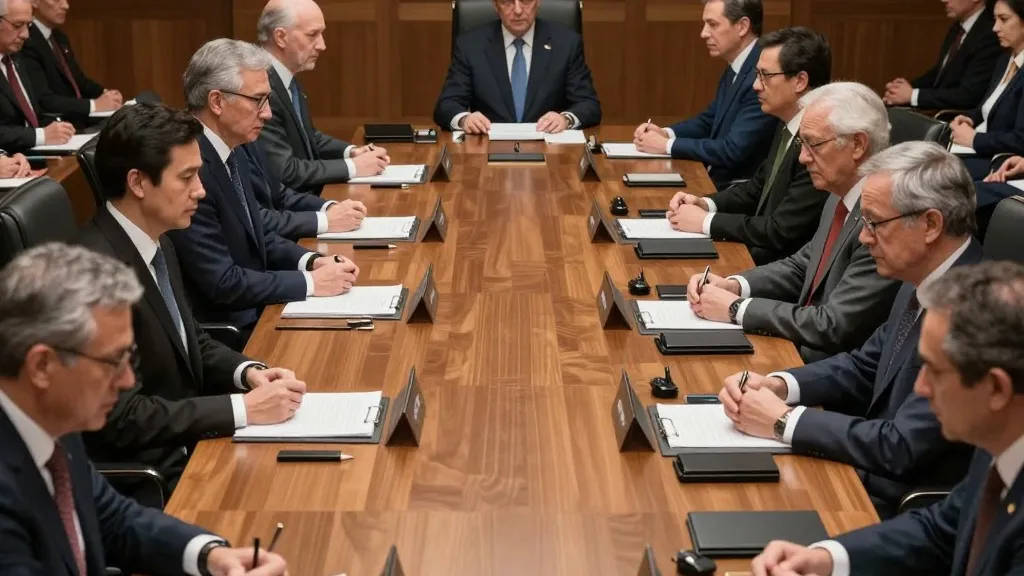
Diplomatic efforts remain stalled. Senior diplomats from Turkiye, Saudi Arabia, Pakistan, and Egypt met with counterparts from Europe in Istanbul on Friday. Neither the US nor Iran attended the talks. Turkish Foreign Minister Hakan Fidan warned that a new attack would widen the war. He stated that no one is currently endorsing such a move. The regional ministers blamed Israeli occupation for the instability, while Germany pointed to Iran and the Houthis.
Iranian state media claims Tehran has activated a "dead hand" doctrine. This strategy would allow attacks to continue from all 31 provinces if senior leaders are killed again. The IRGC has threatened to damage seabed internet cables if civilian infrastructure is targeted. US intelligence suggests Iran has significantly increased efforts to strike American officials. Analysts say the gap between diplomatic words and field realities is growing wider, with some predicting a new intense phase of the war is near.
Source: Al Jazeera