Milwaukee Brewers win World Series in MLB's smallest market
The franchise claims its first championship in 58 years, capping a season that defied historical expectations for teams from smaller media markets.
By Bianca Shevchenko ·
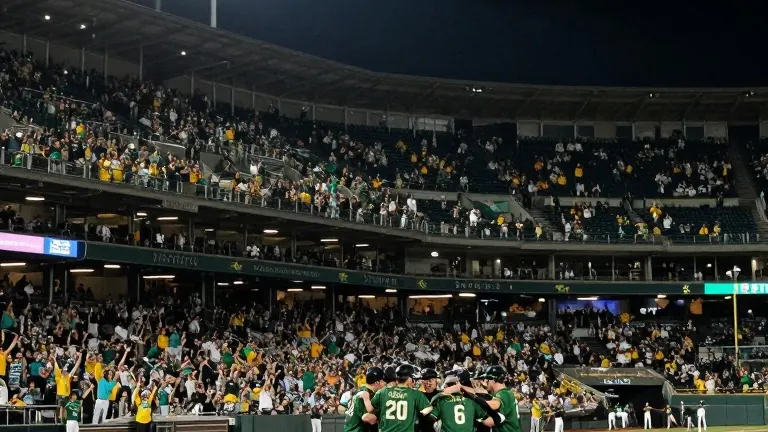
The Milwaukee Brewers have secured the Major League Baseball World Series title, marking a historic financial and cultural milestone for the sport's smallest media market. This victory concludes a competitive season that saw the team overcome long-standing odds associated with their city size and market demographics.
The Brewers are the first team in MLB history to win the championship from a market smaller than one million people. This achievement stands in contrast to the league's traditional emphasis on major metropolitan areas for revenue generation and fan engagement. The franchise's success challenges the prevailing notion that large populations are a prerequisite for sustained competitive performance at the highest level of the sport.
Market analysts and league officials note that the Brewers' title win brings immediate attention to the economic dynamics of smaller markets. The team's performance suggests that strategic management and player development can offset the revenue limitations often attributed to smaller cities. This result may influence how other franchises approach their long-term planning and resource allocation in the coming years.
The championship was clinched in the final games of the World Series, a tournament that determines the annual league champion. The Brewers' path to the title involved a series of high-stakes matchups against competitors from larger markets. Each victory in the postseason added to the narrative of an underdog triumph that resonated with fans and business observers alike.
Financial implications of the win include potential increases in local merchandise sales, broadcast rights value, and corporate sponsorship interest. The title win is expected to boost the local economy, as is typical when a major sports team achieves its primary goal. However, the long-term financial stability of the franchise remains a subject of discussion among industry experts.
Caveats regarding the Brewers' success include the variability of annual performance and the inherent risks of relying on a single season's achievement for market valuation. The team's ability to maintain its competitive edge in future seasons will be a key factor in determining whether this title win translates into sustained market growth. Analysts point to the need for continued investment in player development and infrastructure to support the team's new status.
Open questions remain about how the Brewers will manage the increased expectations that come with a championship title. The team's front office must balance the desire for continued success with the financial realities of operating in a smaller market. This balance will likely involve careful budgeting and strategic decision-making in the upcoming offseason.
The Brewers' achievement serves as a case study in the intersection of sports performance and market dynamics. It provides a concrete example of how a team from a smaller market can compete with and defeat teams from larger cities. This outcome may prompt a reevaluation of market size as a determinant of success in Major League Baseball.
The team's victory was celebrated by fans in Milwaukee, with public events and gatherings held throughout the city. The championship parade and related festivities drew large crowds, underscoring the community's pride in the team's accomplishment. This local enthusiasm is a key component of the franchise's ongoing relationship with its fan base.
The Brewers' World Series title win stands as a notable achievement in the history of Major League Baseball. It represents a shift in the league's competitive landscape, demonstrating that market size is not the sole factor in determining success. The team's journey to the championship has captured the attention of both sports fans and business leaders, setting the stage for further discussion on the economic and cultural impact of sports in smaller markets.
Source: Cascade PBS
More Business · Consumer Alerts · Report a business · Got a Story?