Neural Implant: Deep Brain Stimulation Restores Artist's Motor Control
Bill Daggett, a woodcarver from Arizona, regained the steady hands needed for his craft after receiving electrical pulse therapy for Parkinson's disease.
By Marco Ortega ·
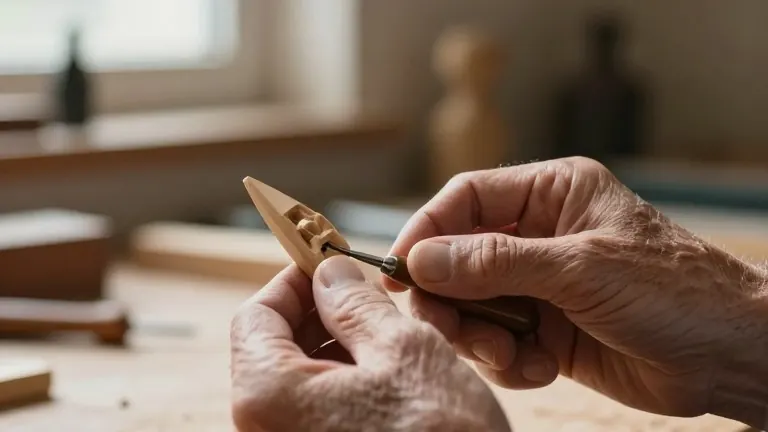
A doctor spotted the tremors that led to a diagnosis of Parkinson's disease, which eventually forced a woodcarver to seek a surgical intervention.
Bill Daggett, an artist in Phoenix, Ariz., had carved wood for decades before the shaking began. A physician noticed his hands trembling at an art show and advised him to seek a medical evaluation. That visit resulted in a diagnosis of Parkinson's disease. Daggett described the early impact of the condition on his daily life, noting that he could barely eat due to the severity of his shakes. He also mentioned the social isolation that followed, stating that he stopped going out because he did not want to be seen struggling to hold a fork.
When standard medication failed to control his symptoms, Daggett opted for deep brain stimulation, or DBS. This therapeutic procedure involves sending electrical pulses to specific areas of the brain to interrupt the signals that cause tremors. The intervention has stabilized his motor function, allowing him to return to his workbench. His hands are now steady enough to carve, a capability he had lost prior to the surgery.
Sam Cradduck, a gerontologist and host of the show 'Aging Untold,' explained the mechanism of the treatment by comparing it to a cardiac pacemaker. Cradduck noted that while a heart pacemaker maintains rhythm, the DBS device helps the brain reset and send out electrical pulses. This process aims to reduce tremors, manage side effects, and potentially slow the progression of the disease. The comparison serves to illustrate how the technology provides a steady rhythm to neural activity, much like it does for the heart.
Cradduck characterized DBS as a major improvement in the quality of life for individuals who have lived with the disease for years. He emphasized that the condition affects patients beyond their physical abilities. Cradduck observed that while the medical community often discusses physical limitations, it frequently overlooks the emotional loss associated with the disease. For Daggett, the ability to create art was a core part of his identity. The disease threatened to take that away, but the therapy allowed him to reclaim a piece of himself that he feared was lost.
The story highlights the intersection of medical technology and personal identity for those managing chronic neurological conditions. Daggett's experience demonstrates how targeted electrical stimulation can restore fine motor skills necessary for artistic expression. The procedure has enabled him to engage with his craft again, reversing the functional decline he experienced after his diagnosis.