Tesla Confirms Cybercab Deliveries to Private Owners Before 2026 Ends
The two-seater robotaxi will enter private hands in limited quantities, though most units will remain in the company's autonomous fleet.
By Camila Rodriguez ·
For the first time, prospective buyers of Tesla’s autonomous vehicles have a concrete timeline for taking delivery. The company has confirmed that private customers will begin receiving the Cybercab before the calendar year concludes, effectively ending months of uncertainty regarding whether the robotaxi would be available for individual purchase in the near term.
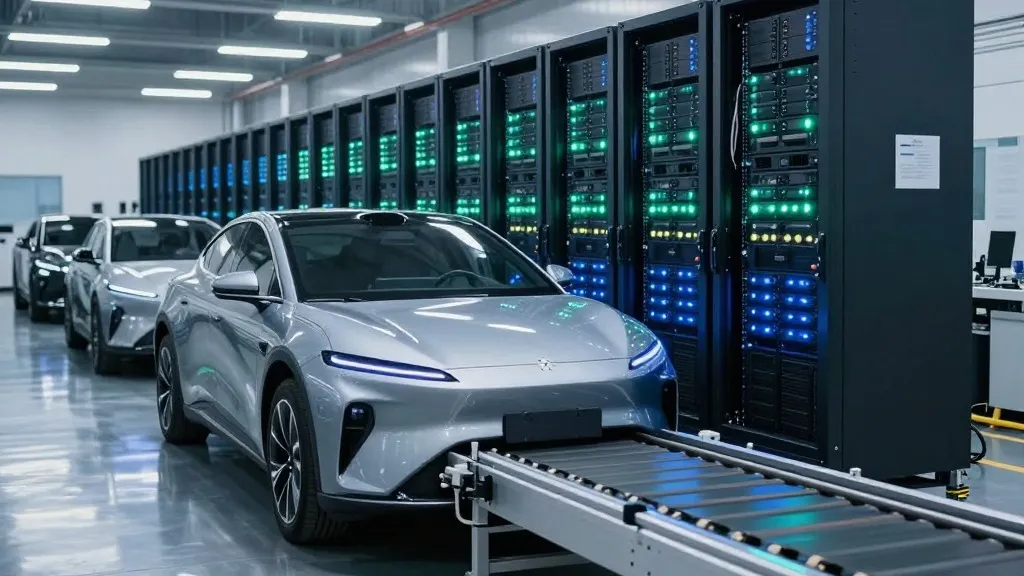
During Tesla’s third-quarter 2026 earnings call on October 21, Vice President of Engineering Lars Moravy outlined the current status of the vehicle’s rollout. He stated that the company is targeting the end of 2026 for the first customer deliveries. Moravy noted that while production is active on the line at Gigafactory Texas, the immediate output is being directed entirely toward Tesla’s internal Robotaxi fleet. This strategy allows the company to refine its operations before opening the vehicle to the general public.
The initial phase of private sales is designed to be modest in scale. Moravy explained that Tesla intends to start with a small number of deliveries to build experience in several critical areas. These include managing the logistics of handing over fully autonomous vehicles, defining ownership models, and overseeing fleet management. Furthermore, the company is using this period to gain confidence in operating autonomous vehicles outside of its direct control, ensuring that the user experience meets internal standards before broader expansion.
CEO Elon Musk emphasized that the Cybercab is fundamentally different from Tesla’s existing lineup of personal vehicles, such as the Model 3, Model Y, or the upcoming Roadster. Musk described the vehicle primarily as a "transport-as-a-service" offering. He clarified that the vast majority of Cybercab units will remain owned by Tesla, serving as part of a shared mobility fleet rather than individual assets. This distinction highlights the vehicle's role as a commercial service asset first, with private ownership as a secondary market.
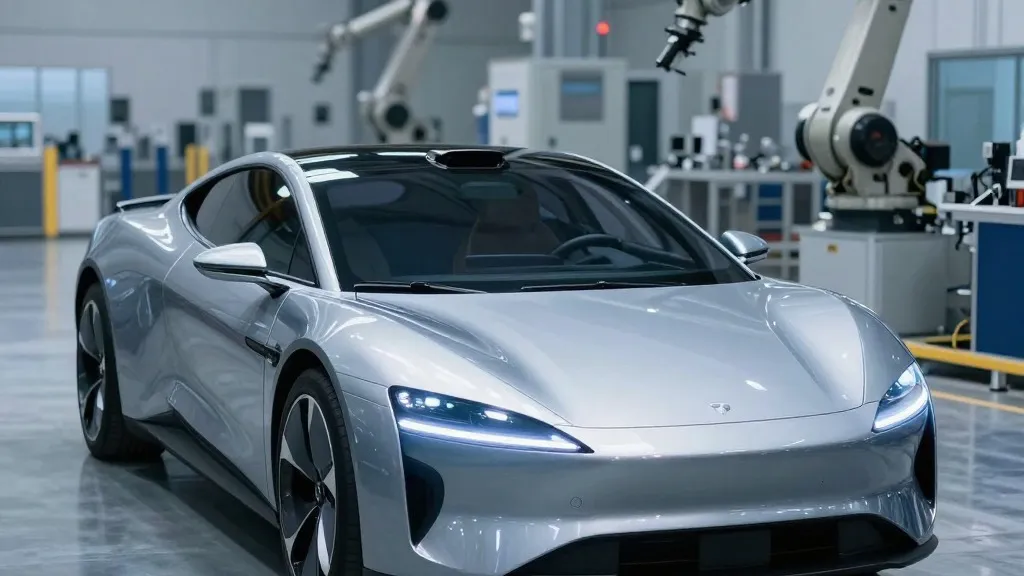
The Cybercab itself is a purpose-built, two-seater vehicle that lacks traditional controls like a steering wheel or pedals. It relies entirely on Tesla’s Full Self-Driving software suite. Production of the vehicle began in February, and early units were integrated into the public Robotaxi service in early September. This launch marked the first time the autonomous vehicle was available to the general public for rides. Tesla has previously indicated that the target price for the vehicle is approximately $30,000.
Despite the confirmed delivery date, several operational and regulatory hurdles remain. Ashok Elluswamy, Tesla’s Head of AI, indicated during the same call that unsupervised Full Self-Driving capabilities are expected to ship to consumer cars during the second quarter of 2027. This timeline suggests that the initial wave of Cybercab deliveries may not immediately feature the same level of autonomous freedom as future vehicle generations.
Regulatory agencies may also impose geographic restrictions on the early autonomous operations of these vehicles. Elluswamy noted that lagging regulatory approvals could limit where and how early buyers or fleet operators can utilize the vehicle’s self-driving features. Consequently, the experience of owning a Cybercab in late 2026 may differ significantly from the eventual state of the technology as it matures.
The decision to prioritize the internal fleet for the majority of current production reflects a cautious approach to scaling autonomy. By keeping most units within its own ecosystem, Tesla can maintain tighter control over data, safety protocols, and customer service standards. This methodical rollout aims to mitigate risks associated with releasing a fully autonomous vehicle into the hands of private owners before the infrastructure and regulations are fully aligned.
As the year draws to a close, attention will turn to the specifics of the first private deliveries. The number of units released to the public, the specific geographic regions where they can operate, and the precise features included in the initial batch will all be closely monitored. The successful execution of this first phase will set the precedent for how Tesla manages the transition from a service-centric model to a mixed ownership and service model for its autonomous vehicles.
Source: Teslarati