US Withholds $25 Million Grant, Cutting Off Primary Funding for Afghan Women's University
The State Department cites past accounting issues, leaving 1,000 students and a secret online program facing an uncertain future.
By Chinedu Schneider ·
The United States State Department has decided not to release a $25 million grant to the American University of Afghanistan, effectively ending the primary financial support for one of the last institutions where women in the country can pursue higher education. The decision was communicated to the university this week, leaving its leadership and students scrambling to find alternative sources of revenue to keep operations running.
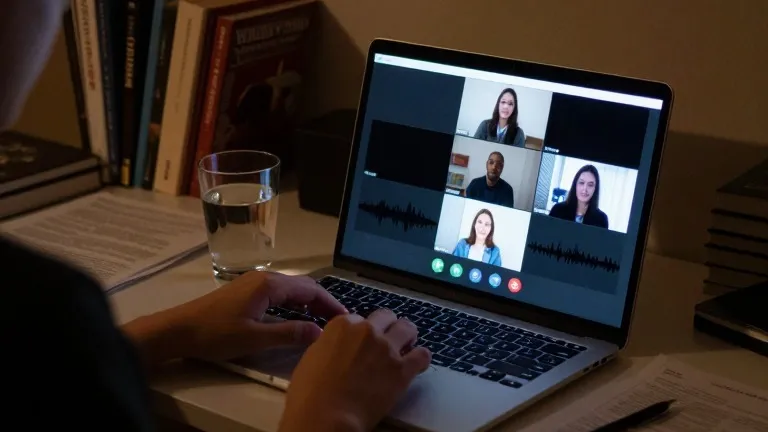
The university currently enrolls approximately 1,000 students, roughly three-quarters of whom are women. Since the Taliban seized physical control of the campus, the institution has shifted to a secret online model. Students attend lectures from their homes, often using pseudonyms and keeping their video feeds off to avoid detection. One student, identified as Laila, described the precarious nature of her studies. She studies political science and international studies and said she knows her classmates only by their voices because visual confirmation is too risky.
Laila began her higher education in Kabul before the Taliban returned to power in August 2021. When the new government banned women from attending universities in December 2022, she was left with an unfinished degree. She subsequently secured a scholarship to the American University of Afghanistan and restarted her coursework. She noted that not every female student in Kabul has had such an opportunity, making the loss of funding a personal blow.
The funding cut stems from a long-standing review of the university's finances. US inspectors began investigating the institution's books in 2016. By 2018, they concluded that poor accounting practices made it difficult to track exactly how American aid money was being spent. John Sopko, a former federal inspector general who oversaw the investigation, expressed surprise that the university continued to receive funds despite those findings. He told Deutsche Welle, "I was surprised they were still funding AUAF."
The State Department press office explained the recent decision by pointing to the university's history of accountability issues. They stated that the move reflects a "history of repeated lack of accountability for millions of American taxpayer dollars." Patrick Fine, who served as the Afghanistan mission director at USAID, the now-defunct development agency, rejected that reasoning. He called the criticism "smear tactics" and noted that while earlier audits found the university struggled with complex regulatory rules, they did not uncover major fraud.
The United States has historically shouldered the majority of the university's costs. A 2018 US report indicated that American funding accounted for nearly 90% of the institution's budget. While the State Department said the university is free to seek other partners, the loss of such a large sum creates a substantial financial gap. The institution opened in 2006 with the stated goal of training future leaders, a vision championed by then-US First Lady Laura Bush, who warned at the time that critics viewed the project as a risky investment.
For the students, the administrative decision translates into immediate uncertainty. Laila said the news has drained her motivation and hope. She has largely stayed in her room since receiving the notification, questioning whether she will ever complete her degree. She had planned to graduate and pursue a master's degree abroad, but now she is considering a timeline of five or ten years. The university faces the challenge of finding new donors to fill the void left by the American government.
Source: Deutsche Welle