Alaska LNG Venture Faces Leadership Vacuum as Russian Control Allegations Surface
The mass exodus of executives from a major northern gas project has been driven by disputes over undisclosed financial ties to a Russian energy giant.
By Marco Ortega ·
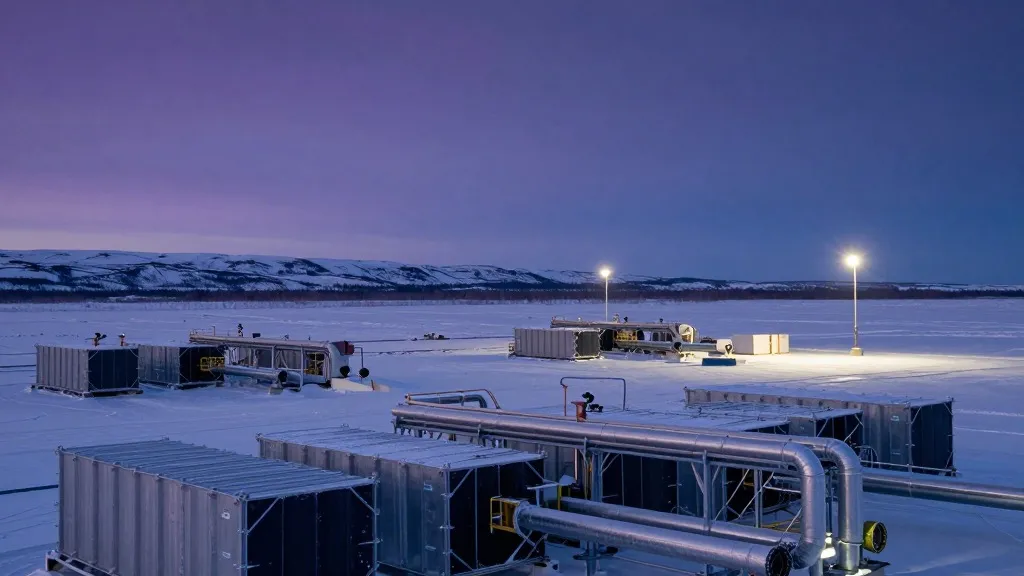
The US energy sector is undergoing a significant shakeup as a major export initiative in the Arctic region faces a crisis of confidence. A report published by the Financial Times reveals that nearly the entire leadership team of Polar Train LNG has resigned from the US$25 billion venture. The departures come amid serious accusations that the Russian firm Novatek has been secretly financing and directing the project behind the scenes.
The first key point centers on the timeline of the executive exits and the primary catalyst for their departure. Joel Riddle, who served as the chief executive, stepped down in September. He was followed shortly after by Dan Chandra, the chief financial officer, and other senior managers. Riddle indicated that his discomfort stemmed from the realization that Novatek was already providing capital and influencing strategic decisions before the company had secured the necessary regulatory permissions from the US Treasury Department.
The second major development involves the discovery that the project’s funding sources were not what the leadership initially believed. Riddle had understood that the money was coming from Gentry Beach, an investor with connections to the Trump family, and Tech Wave, an Abu Dhabi-based entity. However, he later determined that Gentry Beach was neither a shareholder nor an executive in the venture. This confusion over the true source of capital raised immediate questions about compliance and transparency.
The third point highlights the documentary evidence that supports the allegations of foreign influence. The Financial Times examined WhatsApp messages between Denis Solovyov, a member of the Novatek board, and others involved in the project. These communications show Solovyov discussing financing details and urging for a quicker transfer of funds to Polar Train LNG. This evidence suggests a level of operational involvement that the company had not publicly disclosed.
In response to the reports, Polar Train LNG has pushed back against the narrative that its former CEO voluntarily left the company. The firm stated that Riddle was actually dismissed and referred to him as a disgruntled employee. Management insisted that the project is being developed in strict accordance with US law. Meanwhile, Novatek clarified that it signed a memorandum in April, while Riddle was still in charge, agreeing to allow Tech Wave to utilize its technology for the Alaskan terminal.
The context for this dispute is rooted in broader geopolitical negotiations. Sources indicated that the project was discussed between Washington and Moscow as part of potential business deals aimed at ending the war in Ukraine. Reports suggest a possible arrangement where Novatek would provide expertise for the Alaska terminal in exchange for the lifting of sanctions on Russia's Arctic LNG 2 project. This backdrop adds a layer of political sensitivity to what is technically a corporate governance issue.
The situation also connects to earlier reporting from February 2026, which cited The New York Times regarding an agreement between Gentry Beach and Novatek. Gentry Beach is noted as a university friend of Donald Trump Jr. More recently, on October 9, reports emerged that Russia was seeking sanctions relief as part of talks regarding an energy ceasefire. The current leadership vacuum at Polar Train LNG now casts a shadow over these ongoing diplomatic and commercial discussions.
As the company navigates this period of transition, the outlook remains uncertain. The combination of high-profile resignations and conflicting statements from both parties has created a complex landscape for stakeholders. Investors and policymakers will likely be watching closely to see how Polar Train LNG stabilizes its management team and addresses the questions regarding its compliance with US sanctions. The resolution of this dispute could have wider implications for future energy partnerships between the US and Russia.
More Business · World news · Consumer Alerts · Report a business · Got a Story?