Courts and ballots: Legal battles shape Election Day voting rules
Federal judges blocked federal efforts to segregate ballots in California and restrict noncitizen voting, while the Postal Service added resources to ensure timely mail ballot processing.
By Marco Ortega ·

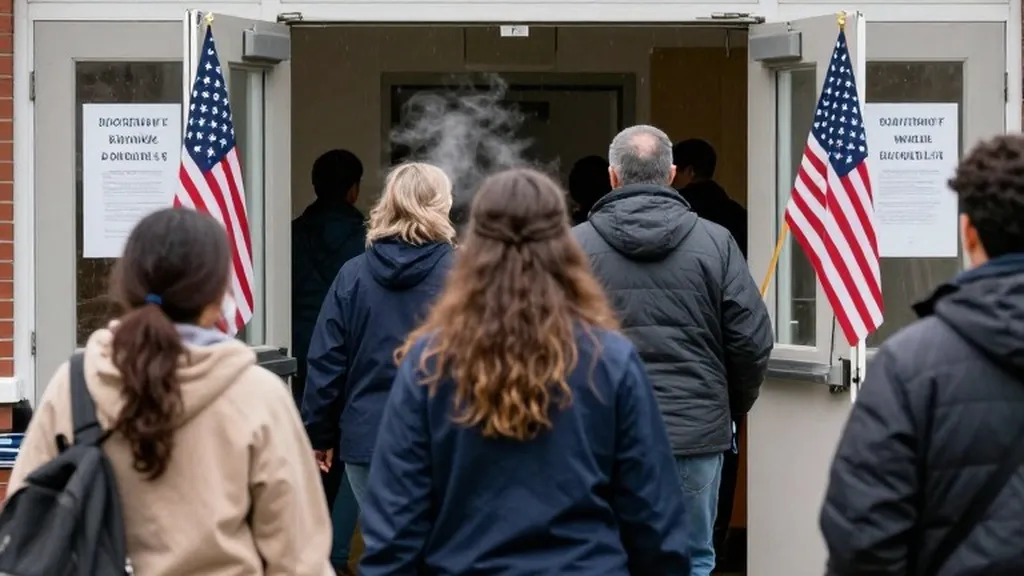
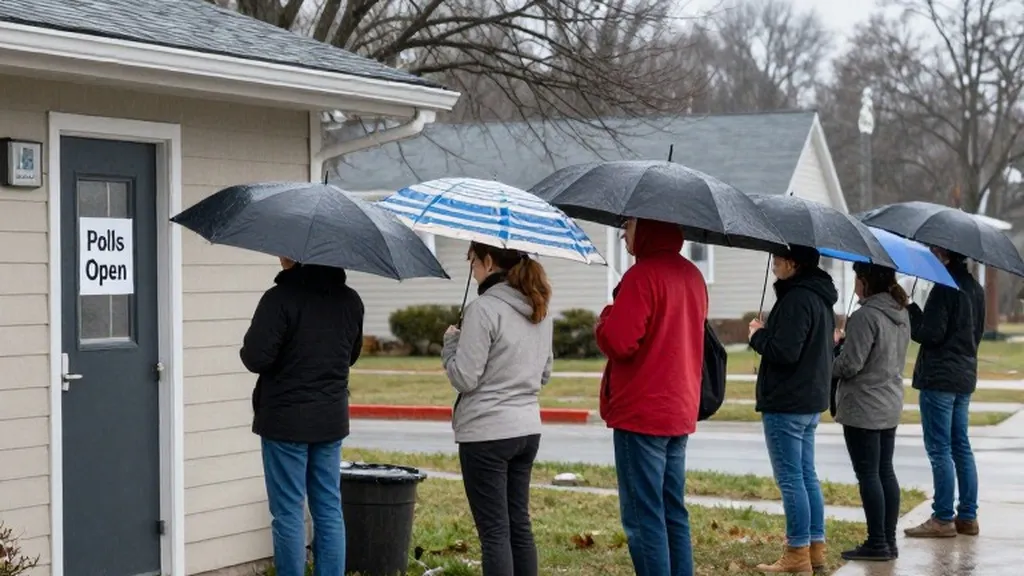
As millions of Americans cast their ballots on Tuesday, November 3, 2026, the legal framework governing how those votes are counted and processed is the subject of intense scrutiny. The Associated Press reports that the election is being viewed as a referendum on the second term of President Donald Trump, with voters expressing frustration over high prices and an unpopular war with Iran. However, behind the scenes, a series of court rulings and administrative measures are determining the mechanics of this midterm contest, which will decide the control of Congress for the remainder of the president's term.
A central point of contention involves the administration's efforts to address noncitizen voting. The Associated Press notes that President Trump has continued to make claims about voting fraud, including the assertion that noncitizens vote in large numbers. In response, his administration pursued legal actions in Alaska and California. On Monday, a federal judge temporarily barred the Trump administration from carrying out a plan designed to prevent noncitizen voting. Critics of the plan argue that it risks disenfranchising eligible voters and infringes upon the authority of states to manage their own elections.
The legal dispute extended to California, where a judge ordered the administration to stop demanding that local election officials segregate ballots cast by individuals who appear on federal lists of suspected noncitizens. This order came as part of a broader lawsuit filed by the administration in the state. The Associated Press highlights that Democrats have expressed fear that these legal maneuvers could lead to interference and intimidation, particularly as the Justice Department has threatened to prosecute local election officials. For Republican supporters, these measures are seen as necessary steps to ensure the integrity of the electoral process in a pivotal midterm election.
In Alaska, the Trump administration filed a lawsuit related to the certification of the Senate result, adding another layer of complexity to one of the state's competitive races. The state is considered a battleground for the Senate, with the race rated as a toss-up to lean Democratic by various political analysts. The Associated Press points out that the legal challenges in Alaska and California are part of a wider strategy by the administration to assert federal oversight over election administration. This approach has drawn sharp criticism from both parties, with each side weighing the potential impact on voter confidence and the final tally.
Beyond the courtroom, the U.S. Postal Service has taken specific measures to ensure that mail-in ballots are processed and counted on time. Reuters reports that the agency added extra hours, staff, and special processing lines to handle the surge in mail ballots. This is particularly significant in states that rely heavily on mail voting, such as California, Colorado, Hawaii, Oregon, Utah, Vermont, and Washington. The Postal Service's efforts aim to prevent delays that could affect the final certification of results in close races, ensuring that every valid ballot is counted within the statutory deadlines.
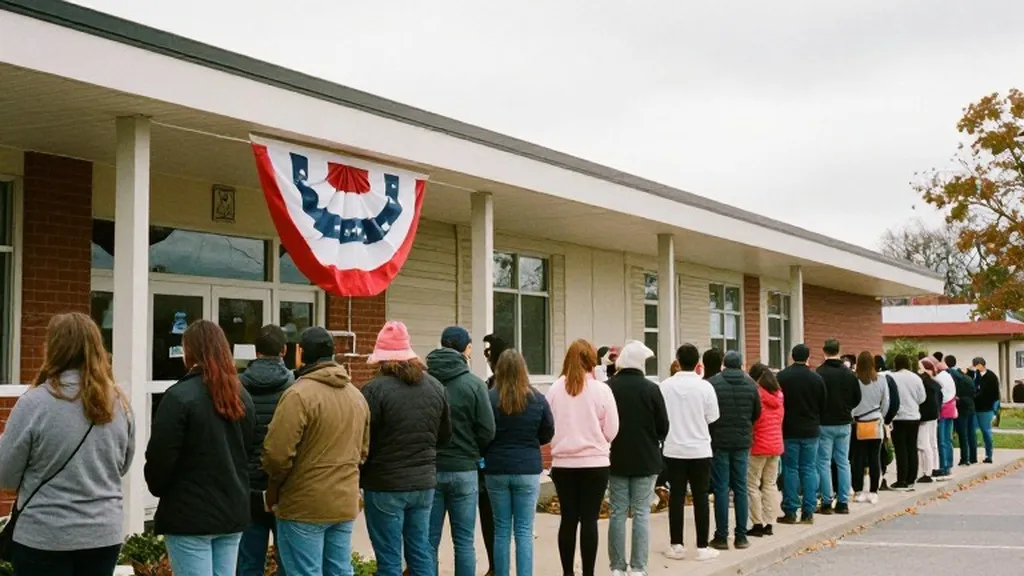
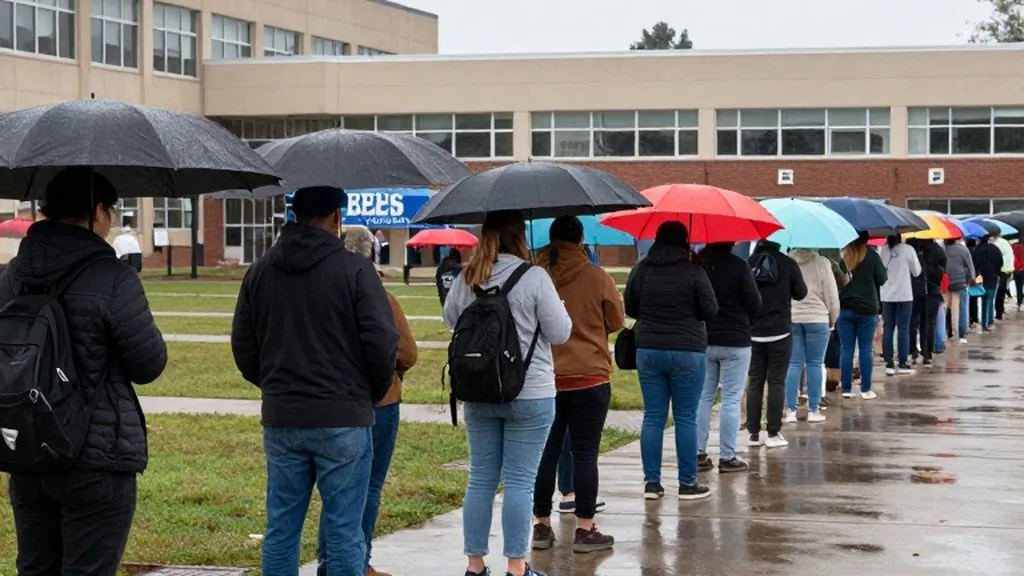
The Associated Press notes that more than 57 million people had already voted as of Monday, surpassing early voting totals from four years ago in many closely watched states. This high level of early participation has placed additional pressure on election administrators to manage the flow of ballots efficiently. The legal battles over noncitizen voting and ballot segregation have raised questions about how these processes will interact with the high volume of mail-in votes. Election officials in multiple states have stated that they are prepared to handle the administrative burden, but the court orders have required them to adjust their procedures in real time.
The Associated Press reports that Republicans were bracing to lose the House and fighting to hold the Senate, while Democrats were cautiously optimistic. The legal environment has become a key factor in these calculations, with both parties monitoring court decisions for potential impacts on specific districts. The administration's lawsuits in Alaska and California have drawn attention from national political leaders, who are assessing the broader implications for the final counts. The Associated Press notes that one or two seats could tip the balance in either chamber, making the administrative handling of votes a critical component of the election's outcome.
Reuters adds that Wall Street is watching the election not only for control of Congress but also for signals on economic policy, including AI spending and debt ceiling negotiations. The legal clarity or uncertainty surrounding voting procedures could influence market sentiment in the days following the election. Investors are keenly aware that any disputes over ballot counting or certification could extend the period of political uncertainty. The Postal Service's added measures are seen as a stabilizing factor, helping to ensure that the results are reported in a timely manner despite the legal challenges.
The Associated Press quotes RNC Chairman Joe Gruters, who stated, "Everything depends on turnout. If we turn out our voters, we win, and that's what we've been planning for." In contrast, DCCC Chair Rep. Suzan DelBene said, "The American people are angry. They want change." These statements reflect the high stakes involved in the legal and administrative aspects of the election. Both parties are focused on ensuring that their supporters are able to vote and have their ballots counted correctly, while also monitoring the actions of the opposing side in the courts and at the polling places.