House Control Hinges on 46 Toss-Up Districts Amidst Tight 218-214 Split
With only a three-seat margin separating party control, voters are deciding the fate of 435 House seats in a mid-term contest shaped by new maps and high economic anxiety.
By Chinedu Schneider ·
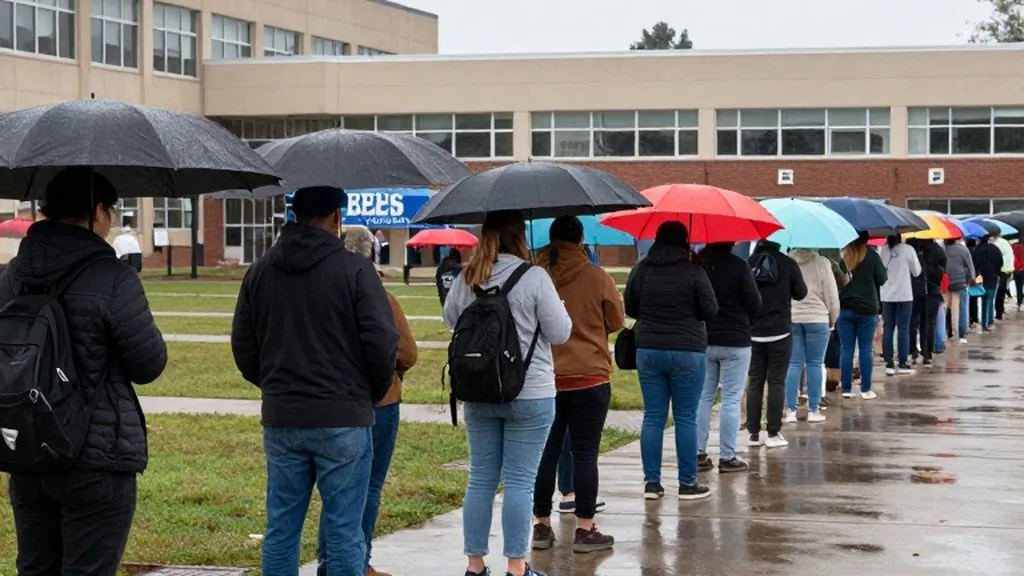
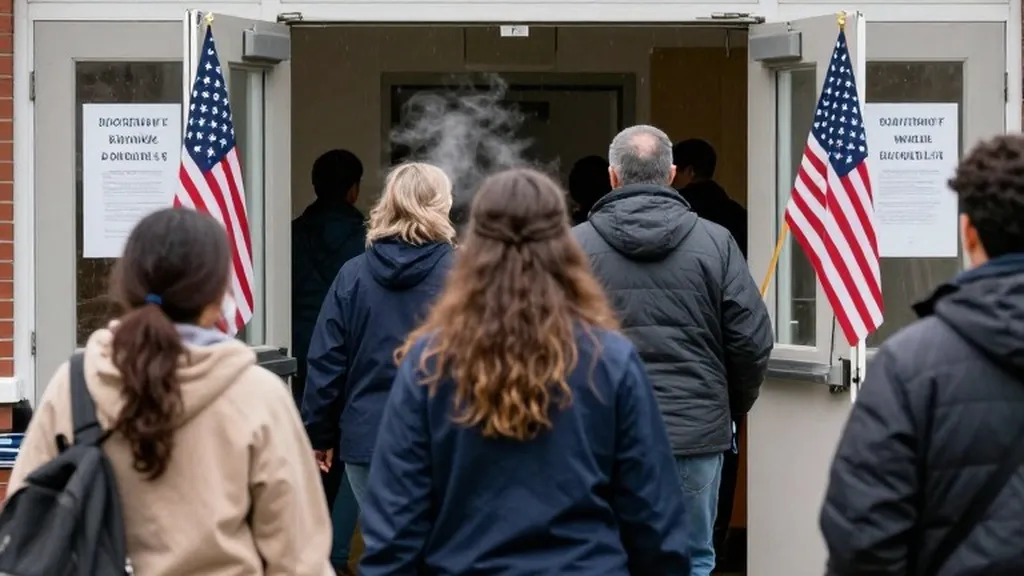
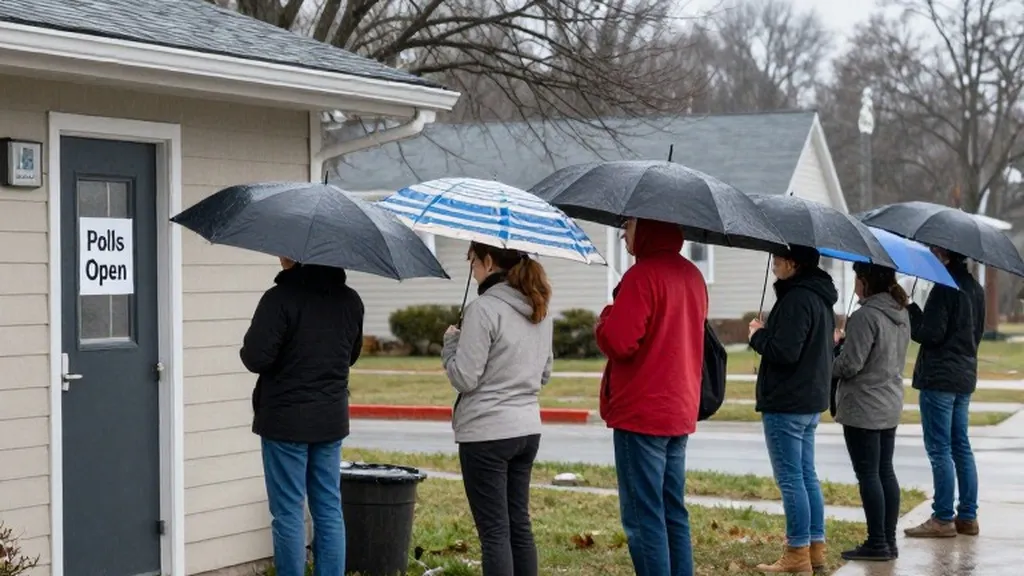
Election Day has arrived for the 2026 mid-term elections, a critical juncture halfway through President Donald Trump's second term. The results will determine which party controls Congress for the final two years of the current administration. All 435 seats in the U.S. House of Representatives are up for grabs, creating a high-stakes environment where small shifts in voter behavior could alter the balance of power significantly. According to Ballotpedia, Republicans currently hold 218 seats, Democrats hold 214, and one seat is held by an independent. This narrow configuration means that Democrats need a net gain of three districts to secure a majority, while Republicans can afford to lose no more than two seats to maintain control.
The race for the House is particularly intense due to the presence of 46 battleground districts identified by Ballotpedia. These districts are closely contested and will likely decide the overall outcome of the chamber. Among these are 25 districts currently held by Democrats and 21 held by Republicans. The complexity of the race is further compounded by the fact that 21 Democratic-held districts voted for President Trump in the 2024 presidential election, while nine Republican-held districts voted for then-candidate Kamala Harris. This overlap suggests that partisan loyalty is not uniform and that voters in these areas are weighing their choices based on a mix of local and national issues.
Redistricting plays a significant role in this year's contest, as six states are using new congressional maps following mid-decade redistricting efforts. California, Florida, Missouri, North Carolina, Tennessee, and Texas have all adopted new boundaries, and Ohio is also using a revised map. These changes have redrawn competitive zones and may alter the traditional voting patterns in those regions. The Associated Press notes that while Republicans attempted to use redistricting to beat the typical mid-term loss pattern, the new districts in states like Florida may not vote as originally drawn. This uncertainty adds a layer of unpredictability to the already tight race for the majority.
Voters are approaching the polls with a sense of urgency, driven by economic concerns and dissatisfaction with the current administration's handling of key issues. The Associated Press describes the election as a referendum on President Trump's second term, with many voters struggling with high prices and expressing anger over an unpopular war with Iran. Polling conducted by AP-NORC indicates that 35 percent of U.S. adults approve of Trump's job performance, while only 25 percent approve of his handling of the economy. Approximately seven in ten Americans believe the country is heading in the wrong direction, and most blame the president for rising costs. These sentiments are shaping the narrative in both Republican and Democratic strongholds.
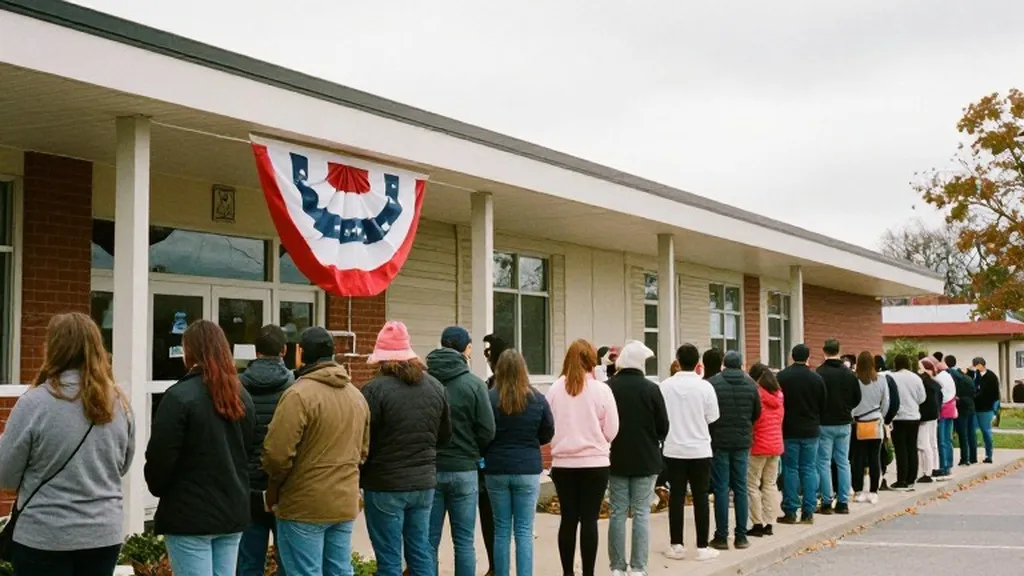
Early voting has been robust, with more than 57 million people having already cast their ballots as of Monday. This figure surpasses the early vote totals from four years ago in many closely watched states. The high turnout reflects the intensity of the contest and the desire of voters to make their voices heard. In Palm Beach Gardens, Florida, voter Mark Barker stated that he has been following Trump closely and believes he is doing an awesome job. Conversely, in Raleigh, North Carolina, voter James Moore, a 57-year-old librarian, expressed frustration over rising taxes and healthcare costs, saying he is paying more for everything. These individual accounts highlight the divided national mood that the candidates are trying to address.
Political leaders on both sides are emphasizing the importance of turnout in this closely contested election. Joe Gruters, Chairman of the Republican National Committee, stated that everything depends on turnout, asserting that if their voters turn out, they will win. He emphasized that this has been the central focus of their planning. On the other side, Suzan DelBene, Chair of the Democratic Congressional Campaign Committee, described the American people as angry and eager for change. Her comments reflect the Democratic strategy of positioning the election as a chance for voters to demand accountability and oversight. Both parties are bracing for a tight outcome, with the Associated Press noting that one or two seats could tip the balance in either chamber.
The financial aspect of the campaign has also been notable, with the 2026 elections likely to be the most expensive in history. Republican committees outraised and outspent their Democratic counterparts, aided by Trump-affiliated groups and support from Elon Musk. However, at the candidate level, Democrats managed to outraise their opponents. An analysis of AdImpact data by the Associated Press revealed that 88.1 percent of Republican general election TV ad spending went to states and districts that Trump won in 2024. This includes more than $850 million spent in areas where he won by 10 points or more. This spending strategy underscores the Republican focus on defending their base while also competing in swing areas.
Administrative challenges have also played a role in the election process. A federal judge temporarily barred the Trump administration from implementing a plan intended to prevent noncitizen voting, a move that critics argued risked disenfranchising eligible voters. Additionally, a judge ordered the administration to stop demanding that California election officials segregate ballots cast by people on lists of suspected noncitizens. These legal developments have added to the complexity of the election administration. The U.S. Postal Service has added hours, staff, and special lines to ensure that mail ballots are counted on time, a crucial step given the high volume of mail-in votes. Wall Street is also watching the results closely, as Reuters notes that the outcome could add to investor concerns about AI spending and debt ceiling negotiations.