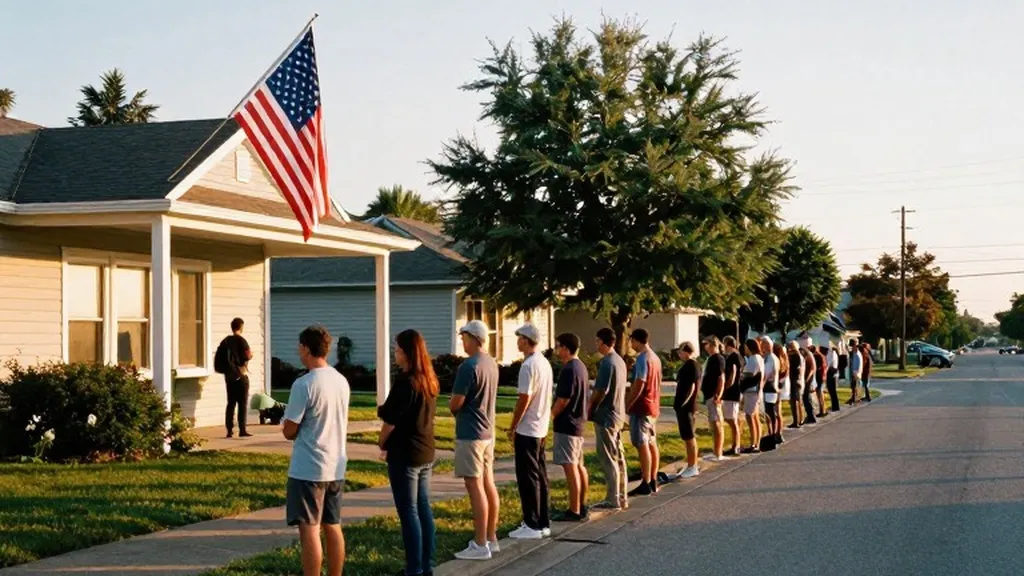
From the State Lines: The Decisive Day for Governors and Senators
Voters in 36 states and 35 Senate districts are casting ballots to determine the next leaders of their regions and the balance of power in Washington.
By Chinedu Schneider ·
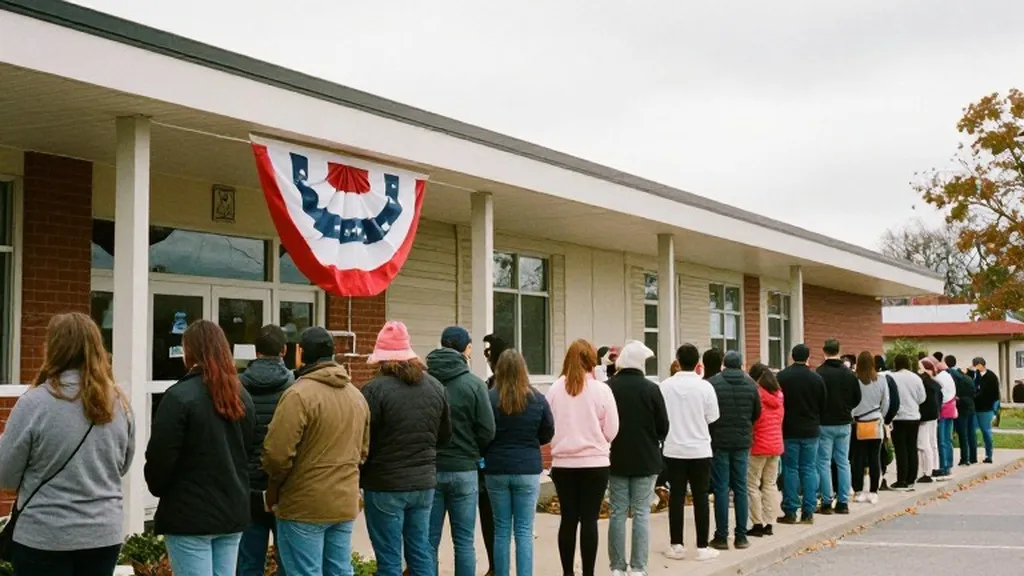
On Election Day, Tuesday, November 3, 2026, the political focus shifts from the national stage to the statehouses and state legislatures of thirty six states. According to Ballotpedia, thirty six governorships are up for grabs, a number that reflects the specific cycle of midterms where state leadership changes hands. These races are not merely local contests; they are the building blocks for the future of American governance. The outcome of these ballots will determine who holds the pen in state capitals for the next four years, a role that carries significant weight in national policy debates.
The map of control is currently split, with Republicans holding twenty six governor's offices and Democrats holding twenty four. However, the races on the ballot today are evenly divided, with each party defending eighteen seats. This symmetry creates a high stakes environment where a net gain of two governorships would shift the balance of power to the Democrats. Such a shift has not occurred since 2010, making this election a critical juncture for state level influence. The Associated Press notes that Democrats are cautiously optimistic, while Republicans are bracing for potential losses in the House while fighting to hold the Senate.
In the Senate, thirty five seats are in play, including thirty three regular elections and two special elections. The Associated Press and Ballotpedia identify thirteen of these as battlegrounds, where the outcome remains uncertain. These races span a wide geographic and political spectrum, from the deep red of Kansas to the competitive margins of Maine and New Hampshire. The stakes are high because Democrats need a net gain of four seats to secure a majority, a threshold that is mathematically tight given the current count of fifty three Republican seats and forty five Democratic seats, plus two independents.
The race in North Carolina has drawn significant attention, with Democratic former Governor Roy Cooper facing former Republican National Committee chair Michael Whatley. This contest is notable because incumbent Senator Thom Tillis retired after a period of friction with President Donald Trump. In Georgia, Senator Jon Ossoff is defending his seat against Republican Representative Mike Collins. The Associated Press describes the state as leaning Democratic, a result of the tight presidential margin from 2024. These matchups illustrate how national dynamics are playing out in specific state contexts, where local issues and historical voting patterns intersect.
Ohio presents another critical theater for the fight over the Senate, with Democratic former Senator Sherrod Brown challenging Republican incumbent Jon Husted in a special election. The Associated Press highlights this as a key contest, noting that the state voted for Trump in 2024 but remains competitive for Senate seats. In Michigan, Republican former Representative Mike Rogers is running against Democrat Abdul El-Sayed. The race was complicated when El-Sayed's former primary opponent, Haley Stevens, endorsed Rogers on Sunday. This endorsement adds a layer of complexity to a state that is rated as a toss up or lean Democratic by major polling organizations.
Governor races in states like Georgia and Nevada are also commanding attention. In Georgia, Republican health care executive Rick Jackson is competing against Democratic former Atlanta Mayor Keisha Lance Bottoms to succeed Brian Kemp. In Nevada, Republican Governor Joe Lombardo faces Democratic Attorney General Aaron Ford. The Associated Press identifies these states as competitive, reflecting the broader trend of closely contested races across the country. The mood in these states is described as one of struggle, with voters expressing anger over high prices and an unpopular war with Iran, according to the Associated Press.
The financial aspect of this election is unprecedented, with the Associated Press predicting that the 2026 elections will likely be the most expensive in history. Republican committees have outraised and outspent their Democratic counterparts, aided by Trump affiliated groups and significant contributions from Elon Musk. However, at the candidate level, Democrats have managed to outraise their opponents. This divergence in funding strategies highlights the different approaches each party is taking to secure victory in state and federal races alike. The allocation of funds has been strategic, with eighty eight percent of Republican general election television ad spending directed toward states and districts that Trump won in 2024.
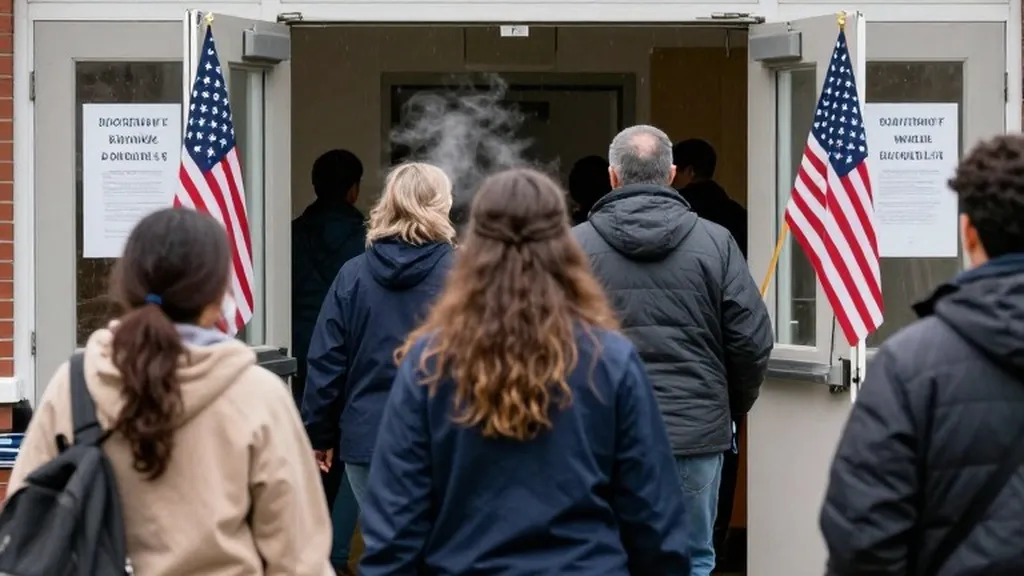
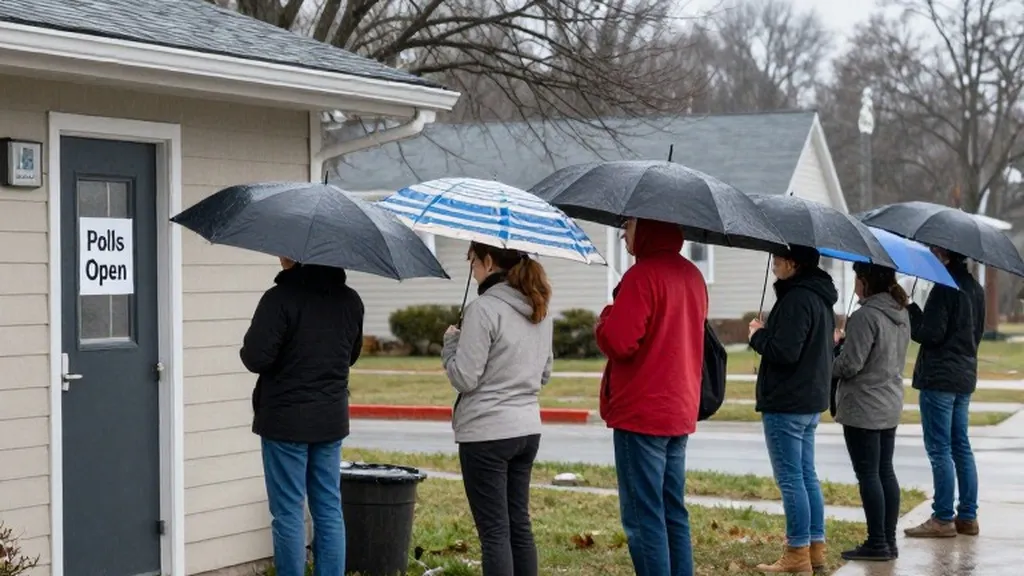
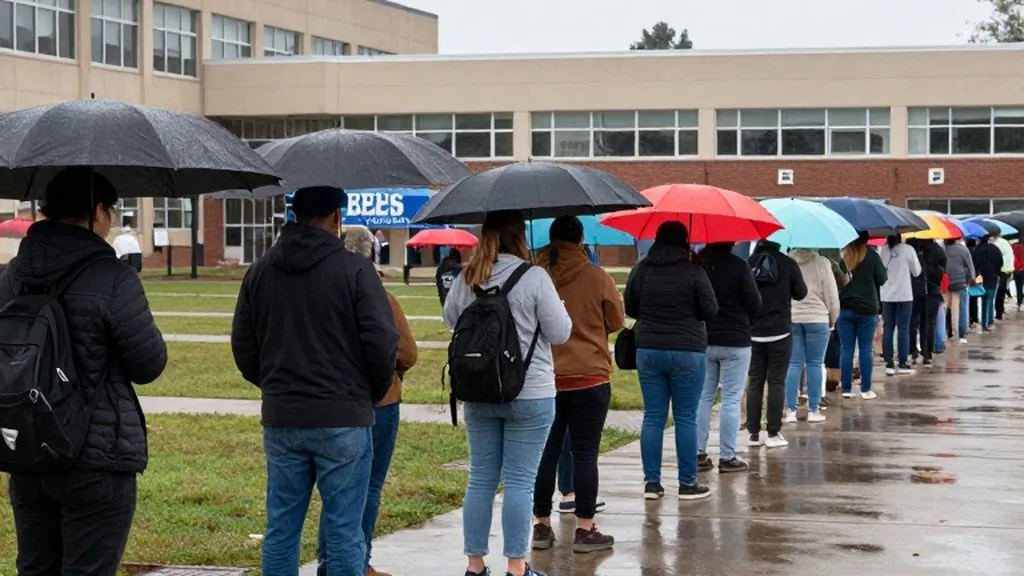
Voter behavior and turnout are central to the current narrative. More than fifty seven million people had already voted by Monday, surpassing early vote totals from four years ago in many closely watched states. Republican National Committee Chairman Joe Gruters stated that everything depends on turnout, asserting that if they turn out their voters, they win. Conversely, Democratic Congressional Campaign Committee Chair Suzan DelBene emphasized that the American people are angry and want change. These statements capture the essential tension of the day, where mobilization and messaging are equally important in determining the outcome of races from the state lines.
The administration of the election has also been a point of focus, with Reuters reporting on legal challenges and logistical preparations. A federal judge temporarily barred the Trump administration from implementing a plan to prevent noncitizen voting, a move that critics argue risks disenfranchising eligible voters. The U.S. Postal Service has added hours and staff to ensure mail ballots are counted on time, a crucial step in states where mail voting is prevalent. These administrative details, while behind the scenes, are vital to the integrity of the process and the smooth transition of power in state governments and the U.S. Senate.