Judge Scrutinizes DOJ Filings in Springsteen Copyright Dispute
A federal court inquiry into whether the Department of Justice omitted key details from its legal arguments has stalled the high-profile intellectual property case.
By Chinedu Schneider ·
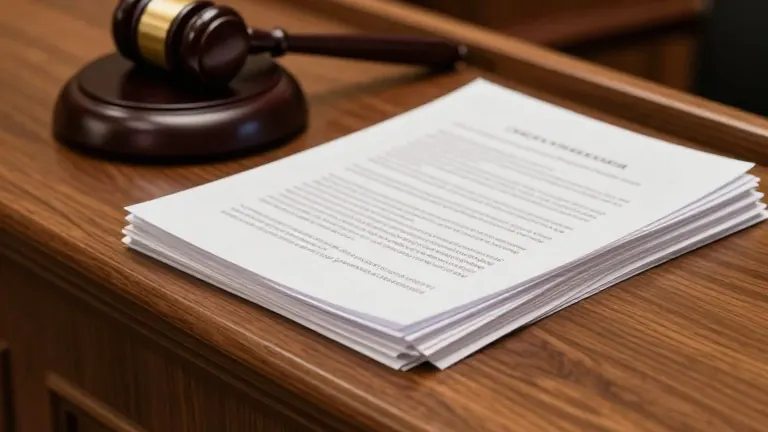
A federal judge has opened a formal investigation into the conduct of the Department of Justice in a copyright lawsuit involving Bruce Springsteen. The review focuses on specific filings submitted by the government, raising questions about the accuracy and completeness of information provided to the court during the litigation process.
The judge issued the order to determine if the DOJ misled the bench or the opposing parties. This procedural move creates an immediate pause in the standard progression of the case. It shifts the focus from the merits of the copyright claim to the behavior of the government counsel representing the case.
The dispute centers on the ownership and rights associated with Springsteen’s musical catalog. While the underlying legal questions involve complex copyright principles, the current phase is defined by a credibility assessment of the DOJ’s filings. The judge is examining whether material facts were left out or misrepresented in the documents that form the basis of the government’s position.
Legal representatives for the parties have reviewed the judge’s directive. They are now preparing briefs and responses that address the specific points raised in the inquiry. This requires a detailed comparison of the initial filings against subsequent disclosures and communications. The goal is to establish a clear timeline of what was known and when that information was shared with the court.
The case has drawn attention from the music industry and legal observers due to the prominence of the artist involved. The financial stakes in copyright litigation are often substantial, involving licensing fees and control over future commercial use of the works. A delay in the proceedings affects the timing of these potential revenue streams for the rights holders.
The judge has not yet indicated a preference or a preliminary finding. The inquiry remains open pending further submissions from both sides. This procedural step is distinct from a ruling on the actual copyright claim, which will be addressed later in the litigation schedule if the parties can resolve the conduct issues.
Attorneys are scheduling hearings to discuss the scope of the review. The judge will set specific deadlines for the submission of evidence and witness statements. This structured approach aims to resolve the procedural concerns without causing an indefinite holdup on the main case.
The outcome of this inquiry will determine the next steps in the trial preparation. If the judge finds that the DOJ acted in good faith, the case will proceed to the next phase of litigation. If irregularities are found, the judge may impose sanctions or adjust the procedural rules for the remainder of the trial.
Source: Cascade PBS
More Business · Consumer Alerts · Report a business · Got a Story?