AI scraping hits Indigenous art markets
Uncompensated training on First Nations work is driving new products to market, according to artists and legal experts.
By Marco Ortega ·
Artificial intelligence systems have trained on the visual works of Australian First Nations artists without paying compensation, altering the market dynamics for Indigenous cultural property. This process has resulted in the mass production of goods that mimic specific cultural styles, often without attribution to the original creators.
Sally Scales, chair of the National Gallery of Australia’s First Nations advisory group, described the phenomenon as a theft of agency. She noted that the technology strips authenticity from the work because the family lineage and lived experience of the artist are absent from the digital generation process. The result is a product she termed "Temu slop," which competes directly with authentic artistic output.
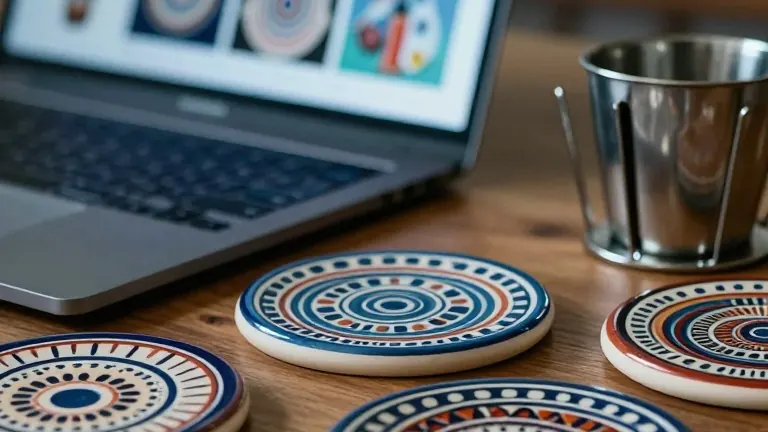
Retailers on platforms including Temu, Shein, and Amazon list numerous items described as Aboriginal paintings. These products include coasters and drink holders bearing designs that imitate Indigenous art styles. Most listings do not credit any specific artist or community, creating a market for items that appear authentic but lack the underlying cultural connection.
The issue extends beyond simple visual copying. Experts warn that AI can scrape websites of Indigenous art centers, remove artist names, and modify the work. Terri Janke, a lawyer specializing in Indigenous cultural and intellectual property, has documented these instances. She highlighted the risk that AI reproduces cultural knowledge without regard for accuracy or appropriate use, leading to the spread of misinformation.
Prof Kathy Bowrey, an intellectual property specialist at UNSW Law, stated that one in five creators already face copyright infringement issues without AI. She explained that the problem is more complex for First Nations artists due to a lack of control over ownership and specific cultural protocols. Bowrey provided an example where a corporate client paid for the use of an image and later used AI to update that image without permission.
This practice allows companies to create unauthorized derivative works and use artist faces without consent. The artists lose repeat business and must compete against AI-generated versions of their own work. The National Association for the Visual Arts, known as Nava, submitted evidence to a joint select committee inquiry on artificial intelligence regarding these harms.
Nava emphasized the concept of Indigenous data sovereignty. This principle recognizes the right of First Nations peoples to exercise authority over their data, cultural material, and knowledge. The association pointed to concerns raised by members about AI-generated images that imitate community-specific techniques, stories, and motifs. These images are often sold as Indigenous or Indigenous-inspired work, causing cultural and economic harm.
Bowrey and associate professor Oliver Bown have proposed a framework called Copyright Plus. This policy would require AI companies to disclose their data sources and grant artists the right to refuse the scraping or mimicking of their work. The proposal also includes a levy on AI companies to fund a payment scheme for creative professionals and establish a cultural fund.
The government has maintained that Australian creatives are world class and that it is committed to supporting them. A spokesperson for the attorney general, Michelle Rowland, said the department is consulting with creators, media organizations, and AI companies. The aim is to ensure future copyright changes deliver meaningful control and fair compensation.
Current copyright protections have not prevented the training of models on works by well-known Australian artists, including Kylie Minogue and Nick Cave. Prime Minister Anthony Albanese has vowed to protect Australian creatives from copyright theft. However, the legal framework currently allows these systems to learn from existing digital content without requiring immediate financial remuneration to the source artists.
Source: The Guardian
More Business · Consumer Alerts · Report a business · Got a Story?