Practical Guide: Managing ID, Mail Ballots and Wait Times in 2026 Elections
As results are tallied, voters reflect on the logistical realities of polling hours and the role of the Postal Service in ensuring every ballot is counted.
By Bianca Shevchenko ·
The midterm elections of November 3, 2026, have concluded, with results now being tallied across federal, state, and local offices. For many voters, the process of casting a ballot was defined by practical logistics rather than just political preference. From navigating state-specific identification rules to managing long lines at polling places, the day highlighted the complex machinery required to hold a national vote. As officials confirm the winners, the experience of the electorate offers a clear picture of how the system functioned under the pressure of a high-stakes election.
Polling hours varied significantly by state, requiring voters to plan their day carefully. In states with early voting, the window for casting ballots opened days before the official date, while in others, voting was confined to a single Tuesday. This variation meant that the experience of Election Day differed for residents of different regions. Some voters arrived early in the morning to beat the crowds, while others waited until the polls closed at dusk. The consistency of these hours is a cornerstone of the voting process, ensuring that every eligible citizen has a defined time to participate.
The role of the United States Postal Service became a focal point for many voters who relied on mail ballots. As results came in, the efficiency of the mail system was scrutinized. For voters who received their ballots early, the timing of the postmark date was critical. In many jurisdictions, a ballot was considered valid if it was postmarked by Election Day, even if it arrived later. This rule allowed for flexibility in a system where mail delivery times can vary. The Postal Service handled a massive volume of ballots, ensuring that votes cast by mail were received and processed in a timely manner.
Identification rules also played a significant role in the voting process. States have different requirements regarding what form of identification a voter must present. Some states required a government-issued photo ID, while others accepted a wider range of documents. Voters who had prepared their identification in advance found the process smoother. Those who needed to present a specific document had to ensure they had it in hand when they arrived at their polling place. These rules are designed to verify the identity of the voter while maintaining access to the ballot box.
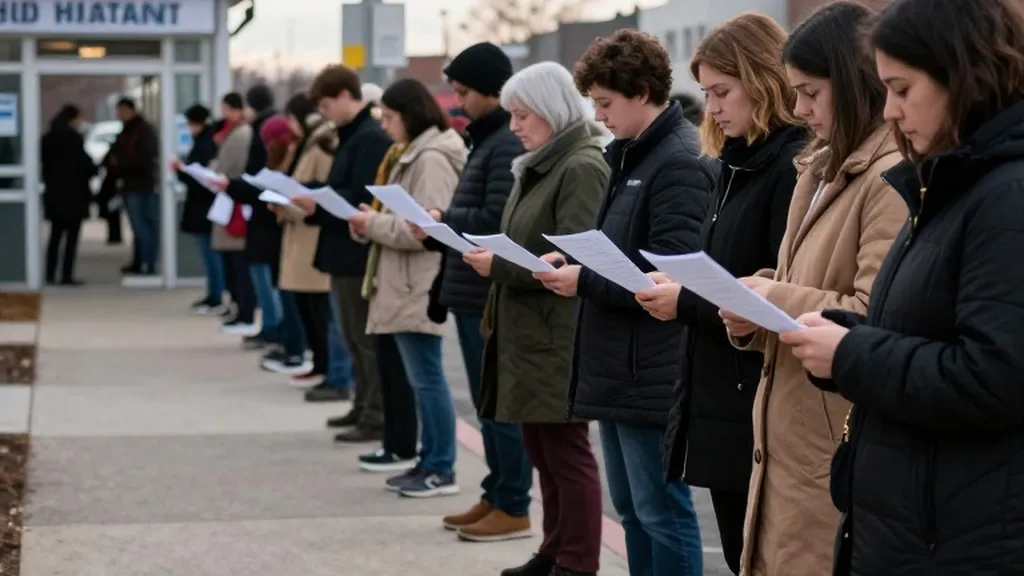
Waiting in line was a common experience for many voters on Election Day. In some precincts, lines stretched outside the polling locations, particularly during peak hours. Voters stood in the cold or the heat, chatting with neighbors and waiting for their turn. The time spent in line varied by location, with some voters waiting only a few minutes and others waiting for over an hour. This wait time is a practical reality of in-person voting, reflecting the volume of voters and the staffing levels at each precinct.
The use of vote.gov was a key tool for many voters seeking information. This federal resource provided a centralized location for voters to find their polling place, check registration status, and review ID requirements. By using such digital tools, voters could prepare for Election Day with greater confidence. The website helped to reduce confusion and ensure that voters knew exactly what to expect when they arrived at their polling location. This digital readiness complemented the physical act of voting.
As the results were finalized, the importance of these practical steps became clear. The election was not just about who won, but about how the process was executed. The combination of clear polling hours, reliable mail service, and straightforward ID rules helped to facilitate a smooth voting experience. For those who participated, the process was a test of planning and patience. The outcome of the election, with its historic firsts and significant shifts in power, was the result of millions of individuals navigating these logistical hurdles.
Looking ahead, the lessons from this election will inform future voting practices. The efficiency of the mail ballot process and the clarity of ID rules will likely remain topics of discussion as officials review the data from November 3. The experience of standing in line and waiting for a turn at the ballot box will be remembered by many. These practical elements are the foundation upon which the democratic process is built, ensuring that every voice is heard and counted.
The election results have set the stage for the next phase of governance. With the House and Senate now under new leadership, the focus shifts to policy and implementation. However, the memory of the day itself, with its lines and mail ballots, remains a testament to the enduring nature of the voting process. The practical guide to voting, from hours to ID, proved essential for millions of Americans as they cast their ballots in this pivotal election.