Democrats Seize Both Chambers, Flanagan Becomes First Native Woman Senator
A historic wave of victories reshapes Washington and state capitols, with new leadership ready to confront the White House.
By Marco Ortega ·
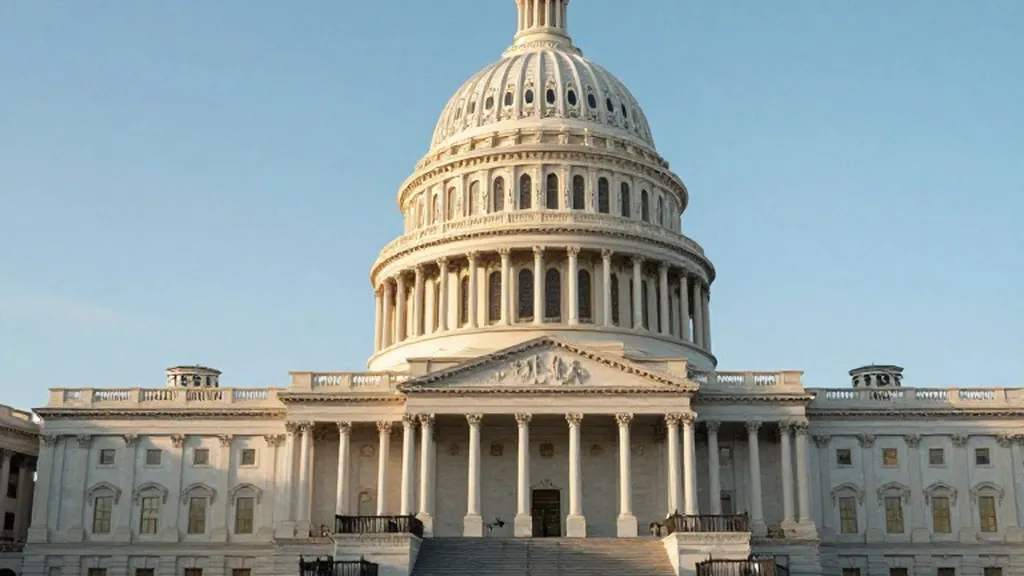
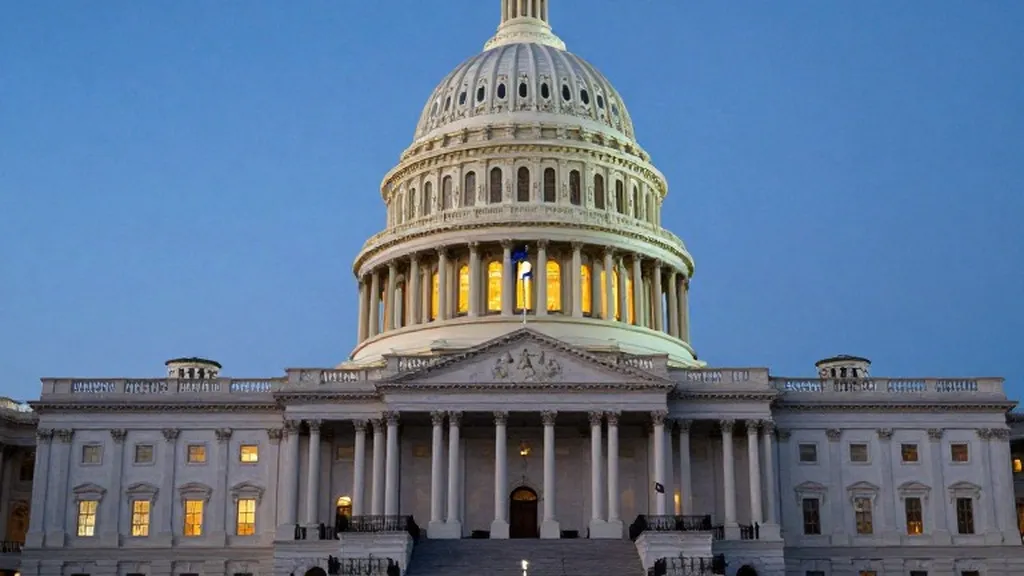
Washington, D.C., is preparing for a new era of legislative confrontation after Democrats secured majorities in both the U.S. House and the U.S. Senate in the 2026 midterm elections. The results, confirmed by official counts, mark a significant shift in power that will define the remainder of President Donald Trump's second term. With at least a 250-157 majority in the House and a 54-44 majority in the Senate, Democrats have gained enough seats to push through major legislation and oversight investigations. This outcome reflects a broad national trend where voters expressed deep dissatisfaction with the current administration's handling of the economy and foreign policy.
The shift in the Senate is particularly notable, as Democrats flipped seven seats previously held by Republicans. This net gain of seven seats places the election among the top 20% of midterm years for seat swings against a president's party, a threshold often used to define a wave election. In the House, Democrats picked up at least 43 seats, including 42 from Republican incumbents and one from an independent. These gains allow the Democratic Party to control the legislative agenda for the next two years, setting the stage for a direct clash with the executive branch on issues ranging from budget priorities to national security.
President Trump reacted swiftly to the results, declaring on social media that the investigative requests already made by the new Democratic leadership constitute extortion at the highest level. He stated that the lawmakers should be held accountable for their aggressive posture. Attorney General Todd Blanche echoed the president's sentiment, suggesting that criminal investigations of Democrats are a possibility. This combative stance signals that the two branches of government will likely spend the coming months in a high-stakes battle over the scope of congressional power and executive authority.
One of the most symbolic victories of the night belongs to Peggy Flanagan, the first Native American woman elected to the U.S. Senate. Representing Minnesota, Flanagan credited the support of Native women in her community for her success. She will join Oklahoma Republican Senator Tom Cole, a citizen of the Chickasaw Nation, in the chamber. This election marks a historic milestone, as only four Native people have served in the Senate in its history, all of whom were men. Flanagan's victory is part of a broader wave of Native American women breaking barriers in political leadership across the country.
In New Mexico, Deb Haaland made history by becoming the first female Native governor of a U.S. state. A citizen of the Laguna Pueblo, Haaland was previously the first Native American to lead the Interior Department. Her victory in her home state is seen as a long time coming, and she has already begun outlining her plans to make life more affordable for residents. Haaland expressed pride in the increased presence of Native people in political office, noting that it matters for people to feel represented. Her win adds to the narrative of a shifting political landscape that is more reflective of the nation's diverse communities.
The Navajo Nation also experienced a historic change in leadership, as Crystalyne Curley was elected the first woman president of the tribe. Curley, who narrowly defeated attorney Justin Jones, spoke about the challenges she faced during the campaign, including sexist rhetoric. She plans to transition the nation away from coal development and reassert its role in federal Indian policy discussions. Curley's victory is viewed as a win for all Navajo women, breaking a barrier that had persisted since the establishment of the modern centralized tribal government over a century ago. Her running mate, Chris Deschene, will take office alongside her in January.
Democrats in Congress are already preparing for an aggressive agenda, with Rep. Robert Garcia poised to chair the House Oversight Committee. Garcia described the new Congress as ready to investigate what he calls the Trump crime family, emphasizing that the days of not fighting back are over. Democratic House leader Hakeem Jeffries, who is expected to become the nation's first Black House speaker, stated that impeachment is an option if individuals are found to be shortchanging the American people. This rhetoric suggests a focus on accountability and a willingness to use the full powers of Congress to check the executive branch.
However, not all Democrats are unified on the approach to the new leadership. Sen.-elect Adam Hamilton, the first Democrat elected from Kansas to the Senate in 94 years, expressed skepticism about impeachment, arguing that the campaign was about bringing people together. He stated that he is more interested in setting up guardrails than in dividing the country further. Similarly, Sen. Bernie Sanders warned that while holding Trump accountable is important, the new Congress must also stand up for working-class families and make a real difference in their lives. These differing views highlight the internal debates within the party over how to balance oversight with legislative action.
The election results also had a significant impact on state governments, with Democrats winning a majority of governorships for the first time since before the 2010 elections. In total, Democrats won 22 of the 36 gubernatorial races, while Republicans won 12. This shift in state control is part of a broader trend of Democrats gaining power in state legislative chambers and other key offices. The control of state governments will be crucial for implementing policies on healthcare, education, and infrastructure, giving Democrats a platform to test their ideas on a state level before potentially scaling them up to the federal level.