Democrats seize both chambers in historic midterm wave, forcing White House transition
The party of the president lost control of Congress and a majority of governorships, setting the stage for a contentious new legislative era.
By Chinedu Schneider ·
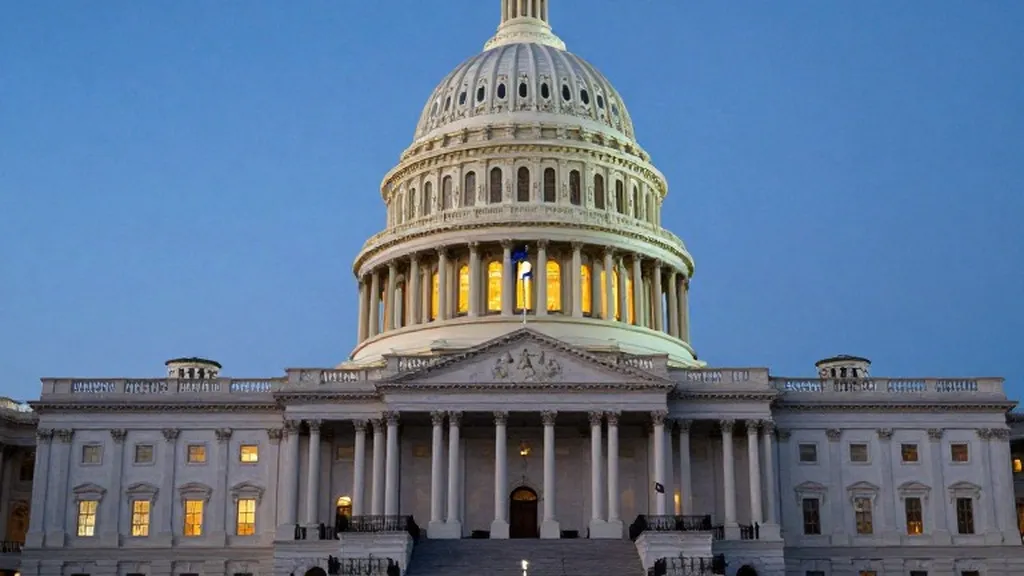
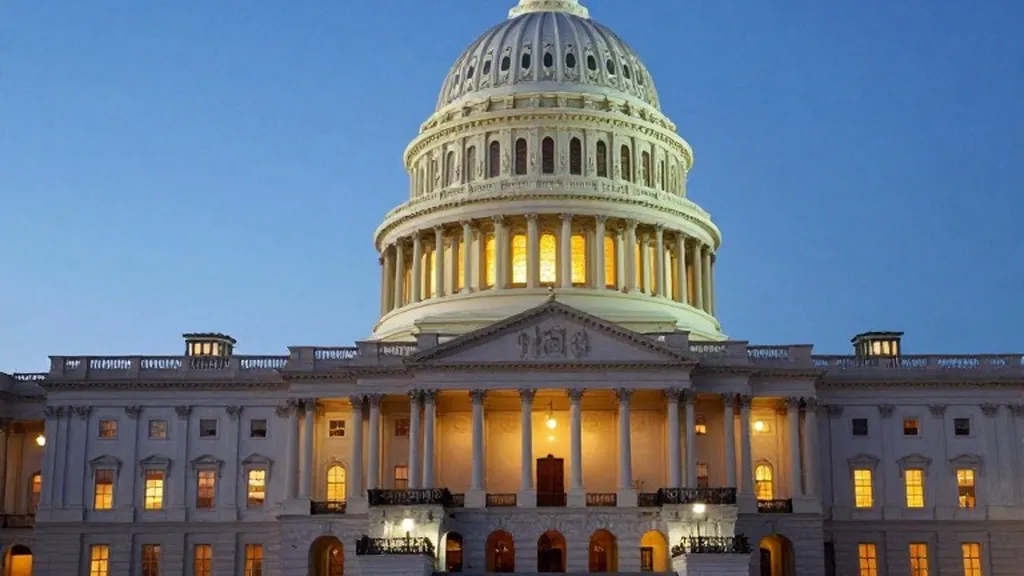
Washington, D.C., is reeling from the results of the November 3, 2026, midterm elections, which delivered a decisive victory for the Democratic Party. As of 4:00 PM Eastern Time on November 6, Democrats have secured majorities in both the United States House of Representatives and the Senate. This outcome marks a significant shift in the balance of power, ending Republican control of both chambers of Congress. The scale of the loss for the president's party is being described as a wave election, placing this year's results in the top 20% of election years in terms of seat swings against the party of the sitting president.
In the House of Representatives, Democrats picked up at least 43 seats. Of these, 42 were previously held by Republicans and one was previously held by an independent. With these results, Democrats will hold at least a 250 to 157 majority in the lower chamber. While the net loss of 42 seats for Republicans is substantial, it falls short of the 48 seats needed to qualify as a wave election by some historical definitions, though uncalled races could still alter that total. The control of the House is critical for the legislative agenda, as it determines which bills reach the floor for a vote.
The Senate race also shifted decisively to the Democrats, who won seven seats previously held by Republicans. This gives the party a 54 to 44 majority in the upper chamber. The loss of these seven seats underscores the breadth of the Democratic victory across the country. Control of the Senate is particularly important for the confirmation of federal judges and executive branch nominees, as well as the passage of legislation. The new majority will likely face immediate challenges in organizing its leadership and setting priorities for the coming two years.
Beyond federal offices, Democrats made significant gains in state governments. The party won a plurality of state government trifectas, meaning they control the governorship and both chambers of the state legislature in more states than any other party. As of the 4:00 PM Eastern Time update, Democrats had secured 20 trifectas compared to 16 for Republicans and 8 divided governments. Additionally, Democrats won a majority of governorships for the first time since before the 2010 elections. They took 22 governorships, while Republicans won 12, with two races still uncalled.
State legislative control also swung heavily toward the Democrats. The party won 46 of the 88 state legislative chambers on the ballot, compared to 39 for Republicans. One chamber went to a bipartisan coalition, and two remain uncalled. Notably, 12 chambers changed party control, all moving from Republican to Democratic hands. This shift in state legislatures will influence redistricting efforts and state-level policy decisions, potentially affecting everything from tax rates to education standards in the states where Democrats now hold power.
The results have immediate implications for the White House, which is already in a period of major transition. President Donald Trump announced on Friday that he was replacing longtime adviser Susie Wiles with Stephen Miller to serve as the next chief of staff. Miller is known as the architect of the administration's hard-line immigration policies. This leadership change comes as the White House struggles with the party's deep losses in the midterm elections. The historic wins by Democratic candidates in areas that Republicans had held for decades have created a new dynamic for the president's remaining term.
Adding to the administrative churn, President Trump said on Saturday that he has offered the job of White House press secretary to UFC boss Dana White. The president posted on social media that he made the offer to the "Great Dana White," asking him to bring along several UFC fighters as assistants. The White House did not immediately confirm the announcement, and White was in London for a boxing event at the time. The press secretary post had been vacant since Karoline Leavitt left in August, with a brief and tumultuous tenure by Katie Zacharia in between. This unconventional appointment highlights the president's approach to managing the fallout from the election results.
The loss of Congress is expected to be a likely casualty for several of the Trump administration's Washington projects. One such project is the renovation of the East Potomac Golf Course, which is currently the subject of a lawsuit. A federal judge has appointed a former U.S. attorney to investigate whether the government misled her in the case. The administration plans to close the course on November 15 to begin construction of a championship-level golf course. With Democrats now in control of Congress, oversight of such executive projects may intensify, potentially complicating the administration's plans for major infrastructure and construction efforts in the nation's capital.
State by state, the results show a consistent pattern of Democratic gains. In Mississippi, Democrat Scott Colom is in a close race for the U.S. Senate seat, with ballots still being tallied. If Colom wins, he would become the first Black senator from the Deep South state since Reconstruction. The race is too close for the Associated Press to call, but the outcome will further solidify the Democratic majority in the Senate. In other states, the shift in trifecta status has been dramatic, with six states changing from divided governments to Democratic trifectas and five changing from Republican trifectas to divided governments.
The new congressional majority will face a crowded docket of issues, including the pending legislation to broaden access to services for young people in foster care. This bill, which cleared the House earlier in the year, is now pending in the Senate. With Democrats holding the majority, the path for this and other legislative priorities may be smoother. However, the president retains the power to veto legislation, meaning that the new Congress will need to build a robust coalition to pass major bills over potential presidential vetoes. The coming months will likely be defined by this new balance of power and the strategic maneuvers of both parties.