2026 Senate: Republicans hold 49 seats, Democrats 43, one vacant
The 2026 midterm election results show the Republican Party retaining control of the U.S. Senate with a 49 to 43 majority, while one seat remains undecided.
By Chinedu Schneider ·
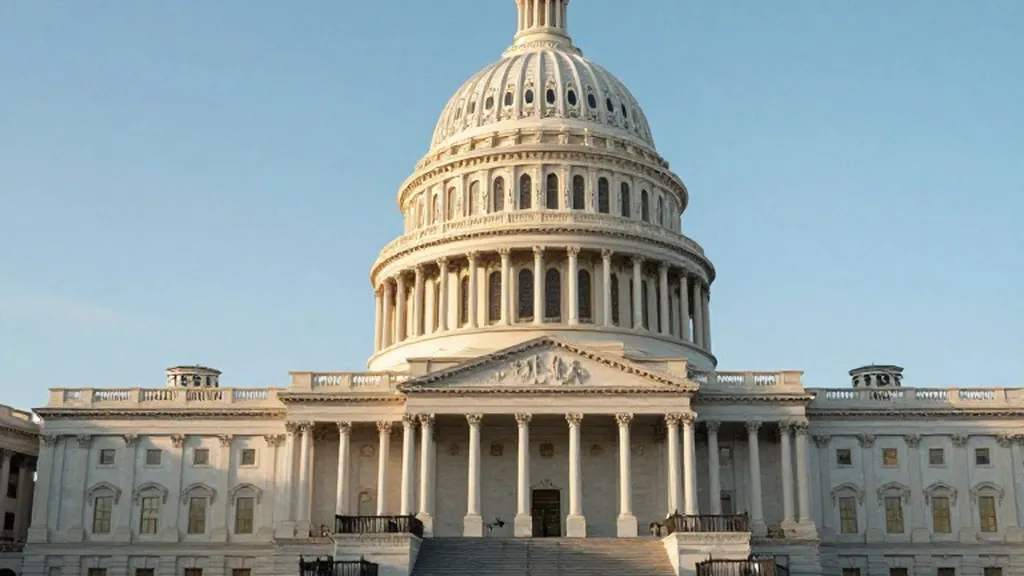
The 2026 midterm elections have concluded, with results confirming a significant shift in the balance of power within the United States Senate. According to the verified election data from Ballotpedia, the Republican Party now holds 49 seats in the chamber, while the Democratic Party controls 43 seats. One seat remains vacant, a result that reflects the complex nature of this year's federal races and the ongoing administrative processes required to finalize all legislative positions. This outcome solidifies the Republican majority, a status the party has maintained since the previous cycle, but with a narrowed margin that suggests a more contentious legislative environment for the coming two years.
The distribution of seats highlights the strategic importance of the 13 battleground states that were closely watched by both parties. In these competitive districts, the margin of victory was often slim, indicating a deeply divided national electorate. The Republican Party's ability to hold onto the majority despite facing strong Democratic challenges in key states underscores the effectiveness of their campaign strategies and the persistent issues that resonated with voters in those regions. Conversely, the Democrats managed to secure victories in several previously Republican-leaning states, signaling a potential shift in voter alignment that could have long-term implications for future elections.
The race for the Senate presidency and the leadership of the majority party is now a focal point of internal party discussions. With 49 seats, the Republicans have a clear mandate to push their legislative agenda, but the narrowness of the majority means that every vote counts. Key issues such as immigration, the cost of living, and executive branch oversight are expected to dominate the early sessions of the new Congress. The Democratic Party, with 43 seats, will likely focus on investigating the executive branch and crafting counter-proposals that appeal to their base while seeking to win over moderate independents.
The election results also reflect the broader trends observed in the House of Representatives, where Democrats gained a healthy majority. This gives the Democratic Party a platform to conduct aggressive investigations into the administration, a theme that was emphasized by several incoming lawmakers. Representative Robert Garcia, who is poised to chair the House Oversight Committee, has signaled that the days of passive oversight are over. He stated that Democrats are not going to be intimidated and that they are prepared to pursue accountability for what he calls the 'Trump crime family.' This rhetoric sets the stage for a potential clash between the legislative and executive branches.
Attorney General Todd Blanche has already responded to the anticipated investigations, echoing the President's stance that these requests are a form of extortion. Blanche noted that criminal investigations of Democrats are possible and that the administration is not afraid to hold its own members accountable. This combative tone from the Justice Department suggests that the relationship between the White House and Congress will be defined by a series of legal and political battles. President Trump, in a social media post, declared that the investigative requests are 'extortion at the highest level, and they should be held accountable,' further cementing the adversarial dynamic that is expected to characterize the next two years.
The Senate's composition also brings a historic diversity to the chamber. Peggy Flanagan, a Democrat from Minnesota, has become the first Native American woman elected to the U.S. Senate. Her victory is seen as a milestone for Native American political representation, joining Oklahoma Republican Senator Tom Cole, a citizen of the Chickasaw Nation, as one of the few Native people to serve in the chamber. Flanagan credited Native women supporters for her campaign, stating that she could not exist in the way she does without them. This historic win adds a new dimension to the Senate's discussions on federal Indian policy and tribal sovereignty.
In the state of New Mexico, Deb Haaland has made history by becoming the first Native American woman elected governor. Her victory continues a political career defined by firsts, including her role as the first Native American to lead a U.S. Cabinet agency. Haaland is now tasked with addressing the state's economic challenges and improving education outcomes. Her win, along with the victories of other Native leaders in tribal and federal elections, marks a turning point for Native American women in politics. Crystalyne Curley, who was elected the first woman president of the Navajo Nation, echoed this sentiment, noting that her victory is a win for all Navajo women and a break from a tradition of male-led government that has persisted for over a century.
The election results in Alaska remain unsettled, with Democrat Mary Peltola, a Yup'ik woman, still in a close race. A victory for Peltola would mark the first time three Native people have served in the Senate simultaneously. This potential outcome would further highlight the growing influence of Native American voters and leaders in national politics. The uncertainty in this race adds a layer of complexity to the final seat count, but the overall trajectory of the election is clear: the Republican Party retains control of the Senate, while the Democratic Party gains strength in the House and in key statehouses.
The upcoming session of Congress will be a test of the new power dynamics. With the Democrats holding the House and the Republicans holding the Senate, the likelihood of gridlock is high, but the intensity of the investigations promised by Democratic leaders suggests that there will be significant action in the early days of the new Congress. The appointment of Stephen Miller as White House Chief of Staff has also drawn criticism from Democratic leaders, with Hakeem Jeffries calling it an 'awful choice' and casting doubt on the prospect of working with him. This personnel decision is seen as a signal of the administration's continued focus on immigration enforcement, an issue that polled as a top concern for voters in the 2026 midterms.