Seagate FireCuda Forge: Hard Drive Capacity Meets SSD Speed
The new external storage device pairs replaceable hard drives with user-selected NVMe SSDs, utilizing a machine learning platform to migrate active data for higher performance.
By Chinedu Schneider ·
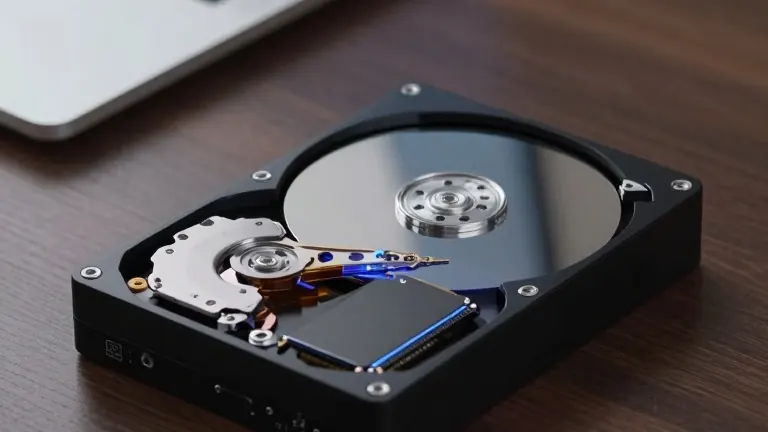
Seagate has launched the FireCuda Forge, an external storage unit that integrates a high-capacity hard drive with a separate solid-state drive. The device targets the gap between affordable bulk storage and fast sequential access by using a new Alkemi intelligent storage platform. This system analyzes file usage patterns to move active data onto the faster SSD component.
The company has sold hybrid drives with built-in flash memory for decades, but the Forge marks a shift in configuration. Instead of a fixed internal flash chip, the Forge allows users to select their own hard drive and NVMe SSD. This modular approach differs from traditional network-attached storage systems that use SSDs merely for temporary caching. Seagate states that Alkemi dynamically relocates data between the two physical drives based on current workloads, rather than just caching frequent hits.
The device is available now through Seagate's online store. The 8TB hard drive version is priced at $699, while the 20TB model costs $899. Both units ship without the required NVMe SSD, meaning buyers must purchase that component separately. With a current memory shortage increasing component costs, the total price of the assembled system will likely exceed the base price of either drive option.
Alkemi is the first product to utilize this specific machine learning storage architecture. The software evaluates the user's current tasks and identifies the files required for those operations. It then migrates that specific data to the SSD to ensure access speeds match the flash storage capabilities. The system reorganizes data in the background as user needs change, maintaining a seamless workflow without manual intervention.
Despite containing two distinct physical drives, the Forge presents itself to the operating system as a single connected storage device. This abstraction allows users to switch between different projects or applications without worrying about which component holds the active files. The hardware manages the migration automatically, ensuring that the faster SSD resources are dedicated to the data currently in use.
Performance specifications depend on the operating system. Seagate lists maximum read speeds of 2,500 MB/s and maximum write speeds of 2,000 MB/s. These figures are valid only for computers running Windows 11 or later, or macOS 26 or later.
The hard drives inside the Forge are replaceable, allowing users to upgrade capacity in the future. The unit serves as a chassis for the two storage media, linking them via the Alkemi platform to create a unified storage experience.
More Tech · National news · Report a business · Got a Story?