Voters Prioritize Prices and Economy in Midterm Vote
AP-NORC data shows economic anxiety driving turnout as polls open for key races in North Carolina and Florida.
By Chinedu Schneider ·
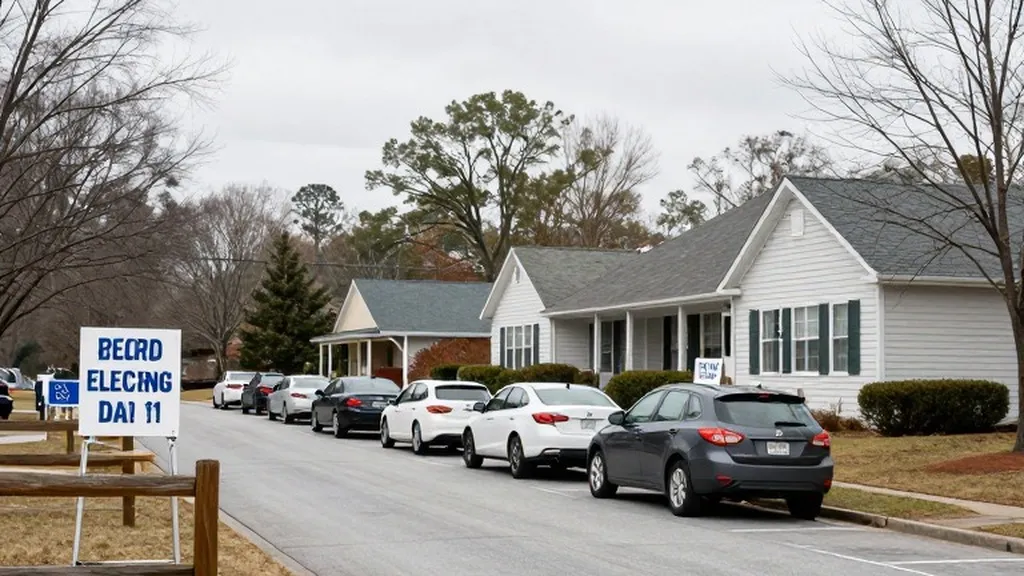
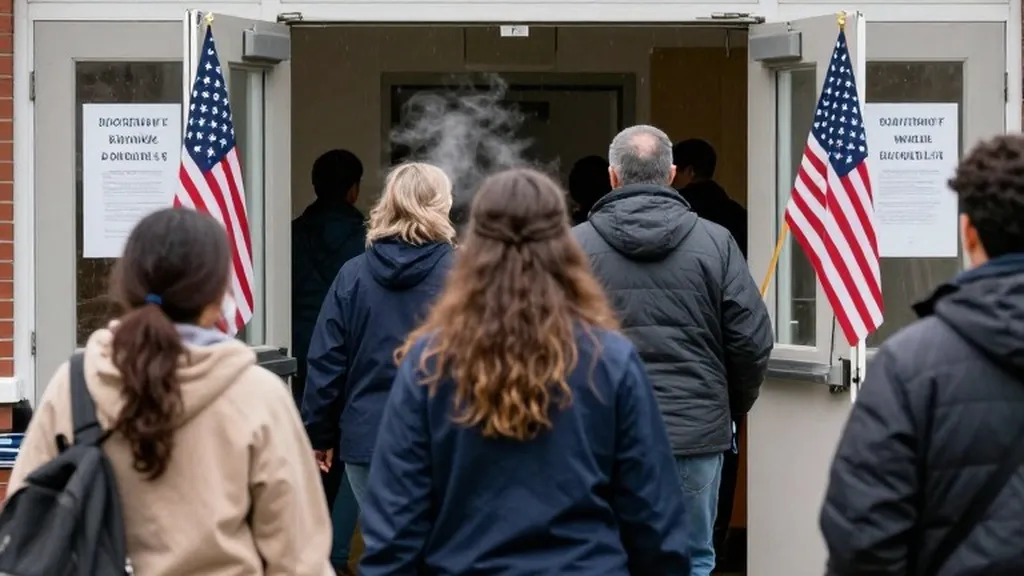
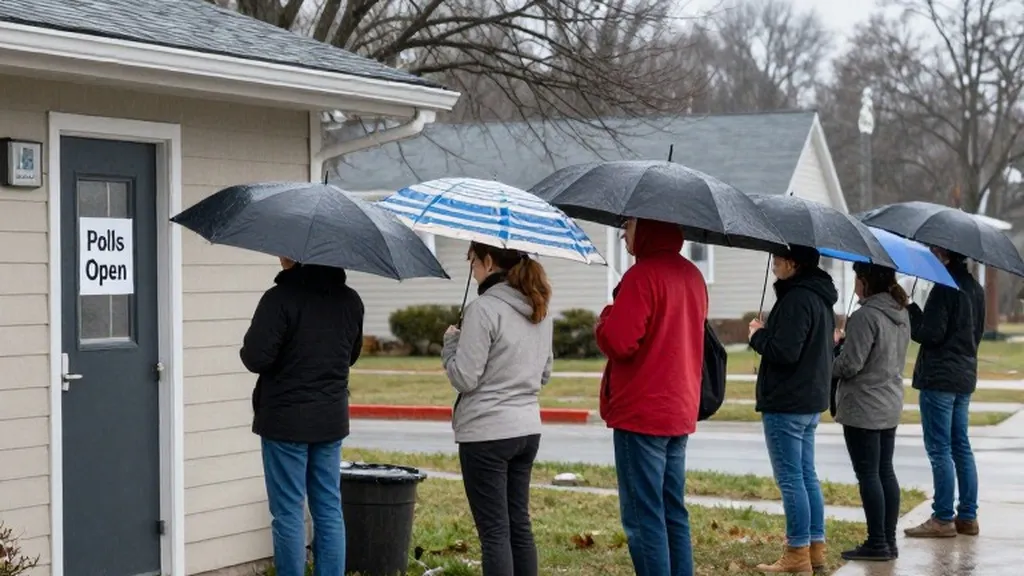
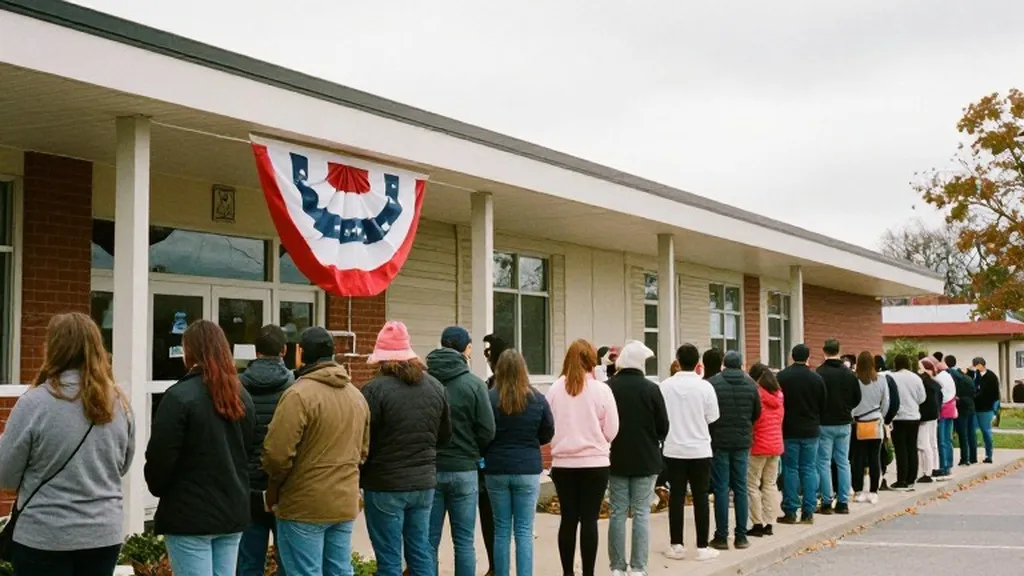
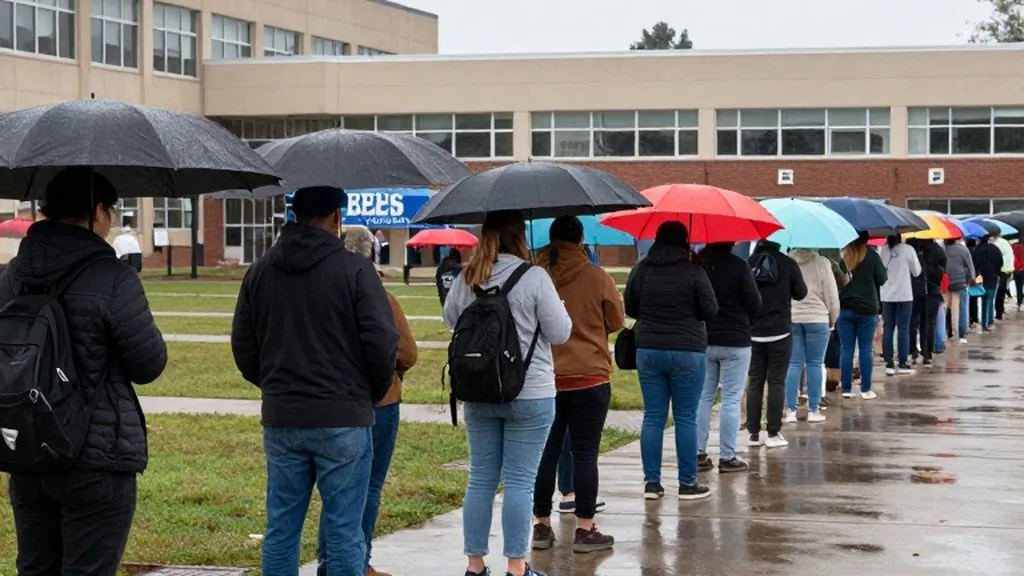
The Associated Press describes the current election as a referendum on President Donald Trump's second term, noting that voters are struggling with high prices and are angry over an unpopular war with Iran. According to AP-NORC polling, 35 percent of U.S. adults approve of Trump's job performance, while only 25 percent approve of his handling of the economy. The poll indicates that about seven in 10 adults say the country is heading in the wrong direction, with most blaming the president for high prices. This economic dissatisfaction is shaping the political landscape as more than 57 million people had already voted as of Monday, surpassing the early vote totals of four years ago in many closely watched states.
In Raleigh, North Carolina, the economic burden is a central theme for voters. James Moore, a 57-year-old librarian, expressed his concerns about the rising cost of living. Moore stated, "I'm paying more taxes. I'm paying more for my healthcare. I'm paying more for everything." His comments reflect the broader sentiment captured in the AP-NORC data, where the cost of living is a primary driver of voter anxiety. The AP notes that Democrats are cautiously optimistic, while Republicans are bracing to lose the House and fighting to hold the Senate. The results will decide who controls Congress for the president's final two years, with all 435 House seats and 35 Senate seats up for grabs.
In Palm Beach Gardens, Florida, voter sentiment offers a contrasting perspective. Mark Barker, a local voter, expressed support for the president's leadership. Barker said, "I've just been following Trump the whole time. I really think he's doing an awesome job." This divergence in opinion highlights the national debate over the economy and the direction of the country. The AP reports that Trump has held dozens of rallies, ending Sunday in Salina, Kansas, where he urged voters to pretend he was on the ballot. His schedule included stops in Mississippi, South Carolina, and Texas, although many Republican candidates kept their distance from the president during his campaign trail.
The economic strain is particularly evident in states with competitive Senate races. The AP says that economic strain and tariffs have made Maine competitive, where Senator Susan Collins faces Democratic former state Senate President Troy Jackson. In North Carolina, Democratic former Governor Roy Cooper is running against former Republican National Committee chair Michael Whatley for the seat vacated by retiring Senator Thom Tillis. The AP-NORC poll suggests that the issue of prices is a top concern for voters in these battleground states. Republicans hold 53 Senate seats, while Democrats hold 45, plus two independents who caucus with Democrats. Democrats need a net gain of four seats for a majority, a threshold that makes the economic vote crucial.
The Associated Press analysis of AdImpact data shows that 88.1 percent of Republican general election TV ad spending went to states and districts that Trump won in 2024. This includes more than $850 million in states where he won by 10 points or more. Despite this, the AP notes that Republicans were bracing to lose the House, with one or two seats potentially tipping the chamber. Democrats were described as cautiously optimistic, with House Democratic Leader Hakeem Jeffries outlining a 100-day agenda on the cost of living and oversight if his party gains control. The AP reports that if Democrats win even one chamber, investigations and possible impeachment proceedings become likely.
In the governor's races, Democrats are hoping to hold a majority of governorships for the first time in two decades. The AP identifies Georgia, Nevada, and Ohio as key battlegrounds. In Georgia, Republican health care executive Rick Jackson is running against Democratic former Atlanta Mayor Keisha Lance Bottoms. In Ohio, Republican Vivek Ramaswamy faces Democrat Amy Acton, with the AP noting that Ramaswamy's campaign faced backlash over an ad featuring Acton's estranged mother. The AP also calls Texas, Florida, and Iowa competitive governor races. The economic performance of these states will likely influence the outcome, as voters weigh the impact of tariffs and prices on their daily lives.
The AP-NORC polling data provides a snapshot of the national mood, with about 70 percent of adults saying the country is heading in the wrong direction. This sentiment is driving the high early vote turnout, with more than 57 million people having voted by Monday. The AP notes that the 2026 elections will likely be the most expensive in history, with Republican committees outraising and outspending Democratic committees at the committee level, though Democrats outraised their opponents at the candidate level. The economic narrative is central to both parties' strategies, with Republicans emphasizing stability and Democrats focusing on relief from high prices.
In the House races, Ballotpedia counts 46 battleground districts, with 25 held by Democrats and 21 by Republicans. Democrats need a net gain of three districts for a majority, while Republicans can lose no more than two. The AP notes that 21 Democratic-held districts voted for Trump in 2024, and nine Republican-held districts voted for Kamala Harris. This overlap suggests that the economic vote could swing these districts. The AP reports that 60 House incumbents did not run again, creating open seats that may be more vulnerable to economic shifts. The results will determine the balance of power in the House for the next two years.