Economy tops ballot issues as Democrats seize Congress
New data reveals that price concerns and tariff frustrations were the primary drivers behind the historic midterm shift in power.
By Marco Ortega ·

The United States has entered a new political era following the midterm elections, with Democrats securing majorities in both the U.S. House and the U.S. Senate. This significant shift in power was driven by a electorate that placed the economy and the cost of living at the top of their list of concerns. The results mark a decisive break from the previous legislative balance, reflecting widespread dissatisfaction with current economic conditions.
According to the AP-NORC Voter Poll, the economy was the defining issue for voters heading into the election. Three-quarters of respondents described the national economy as either poor or not so good. This sentiment was not limited to specific regions or party affiliations, as dissatisfaction was reported in both blue and red states. The poll highlighted that about eight in ten voters stated that inflation had caused moderate to severe financial hardship for their households.
The burden of higher prices was felt most acutely in essential goods. Voters reported that increased costs for groceries and gasoline made it difficult to afford basic necessities. This tangible impact on daily life translated into a strong desire for change in Washington. The frustration was so prevalent that it overshadowed other traditional political flashpoints, becoming the central theme of the campaign and the subsequent results.
Government corruption also emerged as a critical factor in the voting decision. Roughly half of voters cited corruption and the cost of living as crucial to their choice of representatives. This combination of economic anxiety and institutional distrust proved potent, helping to drive out the party of the president. The level of dissatisfaction was particularly high in states that had previously leaned toward the president's party, indicating a broad national mood.
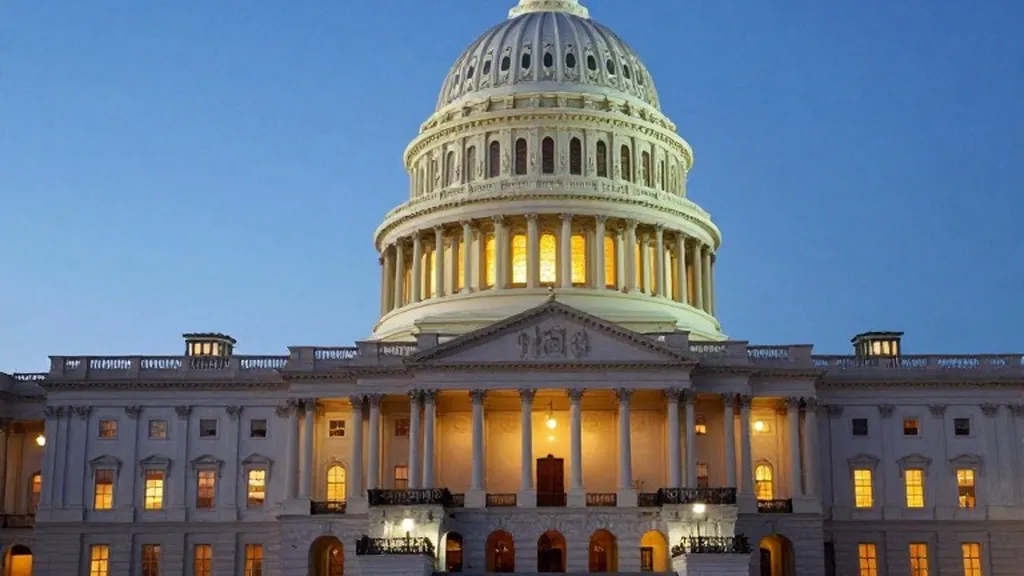
In the House of Representatives, Democrats achieved a commanding victory. As of the final tallies, Democrats won at least 250 seats compared to 157 for Republicans. This net gain of at least 43 seats represents one of the most significant transfers of power in recent history. The sweep was so decisive that it signaled a clear mandate for a new direction in legislative affairs, with the new majority poised to begin its term in January 2027.
The Senate race was equally lopsided, with Democrats taking control of the chamber. The party secured at least 54 seats, leaving Republicans with 44. This victory required a net gain of at least seven seats, a threshold that was exceeded. The shift in the Senate is significant because it will allow Democrats to confirm judicial nominees and pass legislation with a higher degree of certainty. The outcome was viewed by analysts as a wave election, a term used when the losing party suffers substantial seat losses.
Tariff policy played a specific role in shaping voter sentiment, particularly in key battleground states. In North Carolina, voters in Raleigh and surrounding areas expressed strong concerns about how trade policies affected local businesses and consumers. In Florida, voters in Palm Beach County also cited economic stability as a primary reason for their choices. These regional reactions underscored the national trend, showing that economic issues were not just abstract concepts but immediate concerns for families and workers.
President Donald Trump, who had previously claimed that inflation was solved, faced a tough reality check from the ballot box. While consumer prices had risen 3.6 percent in September from the previous year, the president maintained a positive outlook on the results. However, the data suggested that voters were more focused on the current state of their wallets than on future projections. The gap between executive optimism and voter experience widened during the campaign, contributing to the outcome.
The new Democratic leadership in Congress is expected to prioritize economic relief measures. With control of both chambers, the party has the legislative power to address the very issues that drove voters to the polls. The focus is likely to remain on reducing the cost of living and managing government spending. The speed at which these changes are implemented will be a key test for the new majority in the coming months.
The election results also had implications for state governments, with Democrats winning full control in at least six states that were previously divided. This includes significant gains in the South and Midwest, such as the election of Gina Hinojosa as the governor of Texas. The alignment of state and federal power under the same party creates a unified front for policy changes, particularly regarding economic regulation and trade.
As the new Congress prepares to convene, the mandate is clear: address the economy. The voters have spoken, and their message was centered on the cost of living. Whether the new leadership can deliver tangible improvements to household finances will determine the sustainability of this political shift. The stage is set for a new chapter in American politics, one defined by the urgent need to stabilize the economic outlook.