Democrats Seize Both Chambers in Historic 2026 Midterm Sweep
The Associated Press confirms a net gain of 41 House seats and seven Senate seats for Democrats, marking a decisive shift in national power.
By Bianca Shevchenko ·
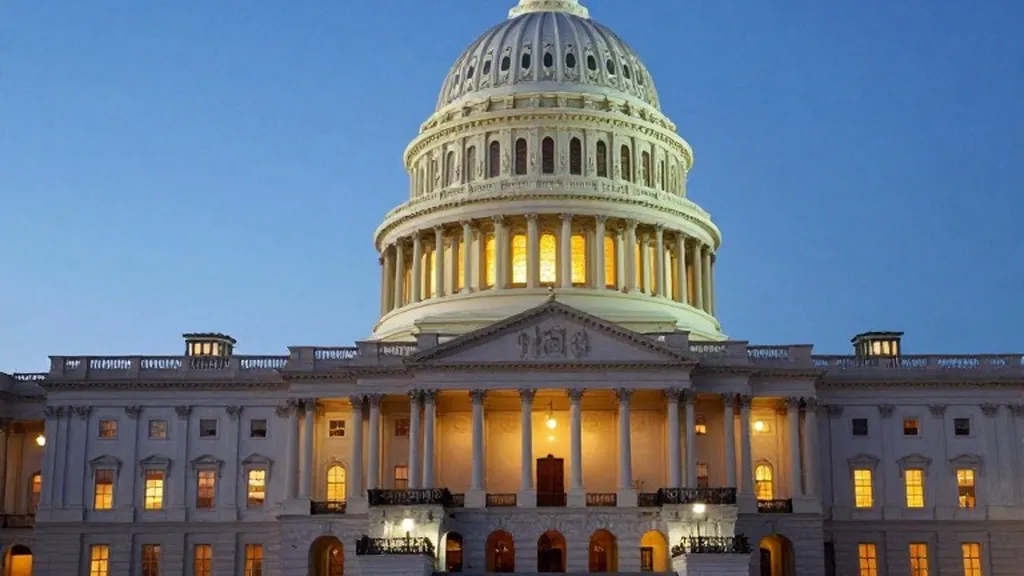
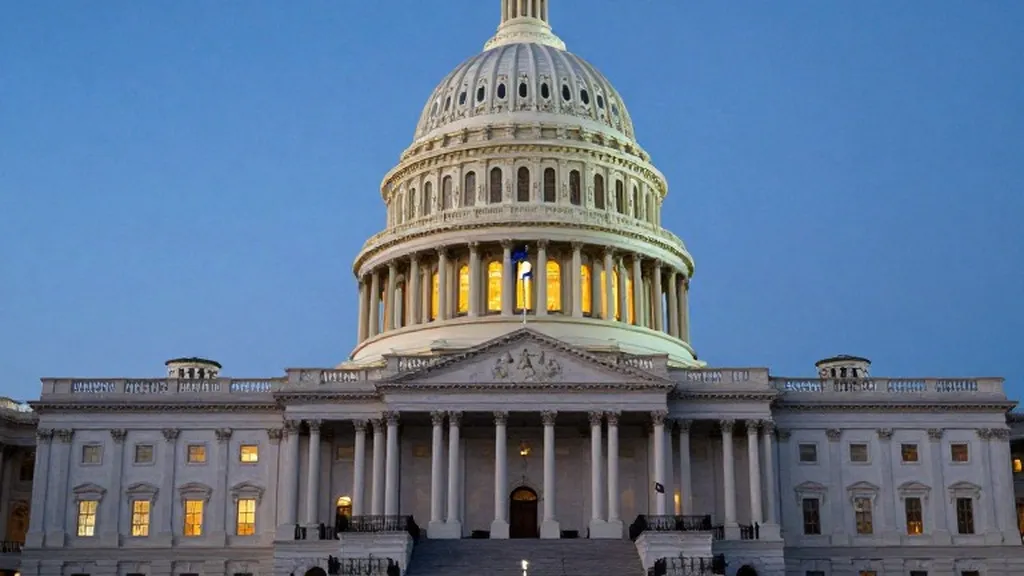
Washington is preparing for a significant change in government after the Associated Press called enough races to confirm that Democrats have secured majorities in both the U.S. House of Representatives and the U.S. Senate. As of 4 p.m. ET on Friday, November 6, the new balance of power stands at 250 Democratic seats and 157 Republican seats in the House, with 28 races still uncalled. In the Senate, Democrats have won 20 seats while Republicans have taken 13, with two races remaining undecided. This outcome ends the Republican control of both federal chambers and places Democrats in a position to set the legislative agenda for the next two years.
The scale of the Democratic victory in the House has been described by analysts as a wave election, though the net gain of 41 seats falls slightly short of the 48 seats needed to qualify as a historic wave by some metrics. Democrats had needed to gain a net of three districts to win a majority, a threshold they surpassed by a wide margin. The Associated Press noted that the results reflect a national trend where voters in traditionally Republican districts shifted their support, driven by concerns over the economy and foreign policy. The new majority will take effect on January 3, 2027, when the 120th Congress convenes.
In the Senate, the shift is equally profound. Democrats gained seven seats, all previously held by Republicans, to secure a 54-44 majority including independents who caucus with the party. Decision Desk HQ projected that Democrats would win control of the chamber, a prediction confirmed by the final counts in key battleground states. The seven seats that changed hands were in Iowa, Kansas, Maine, North Carolina, Ohio, South Carolina, and Texas. This net loss of seven seats for Republicans places this election cycle in the top 20% of election years in terms of seat swings against a president’s party. The new Senate leadership will have the power to confirm presidential appointments and pass legislation with the support of the House majority.
Beyond the federal government, the election results signal a sweeping realignment at the state level. Democrats won control of both state legislative chambers and the governor's office in at least six states where they previously shared power with Republicans. These states include Arizona, Michigan, Minnesota, Pennsylvania, Nevada, and Wisconsin. In Arizona, the Associated Press confirmed that Democrats flipped both the state House and Senate, ending a 60-year Republican hold on the House and a hold on the Senate that dates back to the early 1990s. Governor Katie Hobbs, who retained her office, is expected to face a more cooperative legislature than in her first term, when she vetoed more than 540 measures passed by the Republican-led body.
The Democratic gains in state governments are particularly notable in Texas, where the party won control of the state House for the first time since 2003. Gina Hinojosa was elected as the state's first Democratic governor since George W. Bush defeated Ann Richards in 1994. Hinojosa’s victory marks a historic moment for the state, as she will be the first Latina to serve as Texas governor. Republicans retained control of the state Senate, creating a divided government that will require negotiation on key state policies. The National Council of State Legislatures expects this election to result in the most legislative seats and chambers changing parties since the 2010 election.
Democrats also won full control of state governments in Maine and New Hampshire, flipping the lower chambers in Maine and both chambers in New Hampshire. In New Hampshire, Republican Senator Kelly Ayotte was reelected, but the party lost control of the state legislature. The overall count of Democratic trifectas, where one party holds the governor’s office and both legislative chambers, has grown to 20, compared to 16 for Republicans. Two states remain undecided on their trifecta status. This shift in state power will have immediate implications for areas such as voting laws, taxation, and education policy, as state governments often serve as testing grounds for national policy.
The economic context of the election was a primary driver of voter behavior. The AP Voter Poll found that three-quarters of voters said the economy was not so good or poor, with about 8 in 10 reporting that inflation had caused moderate or severe financial hardship. President Donald Trump had declared in a Fox News interview on election day that inflation was solved, despite Commerce Department data showing consumer prices had risen 3.6% in September from a year earlier. The discrepancy between the administration’s messaging and voter perception contributed to the high level of dissatisfaction with the country’s direction, with about 75% of voters feeling angry or dissatisfied with the current trajectory.
Foreign policy, particularly the war in Iran, also played a significant role in the election outcome. Defense Secretary Pete Hegseth issued a video message vowing to fight efforts in Congress to impeach him and defending the Iran war as courageous and historic, even after voters punished Republicans over the conflict. The war was cited by voters as a key issue, alongside government corruption and the cost of living. The new Democratic Congress is expected to scrutinize executive branch actions on foreign policy, with some analysts suggesting that the administration may seek to re-engage with North Korea to reduce tensions in the region. However, any major concessions could create friction with regional allies who have been supportive of the current administration’s stance.