Governor races: 18 to 18 split, nine battlegrounds, 19 open seats
Democrats need a net gain of two governorships to end a 16 year Republican majority, with 19 of the 36 races lacking an incumbent.
By Bianca Shevchenko ·
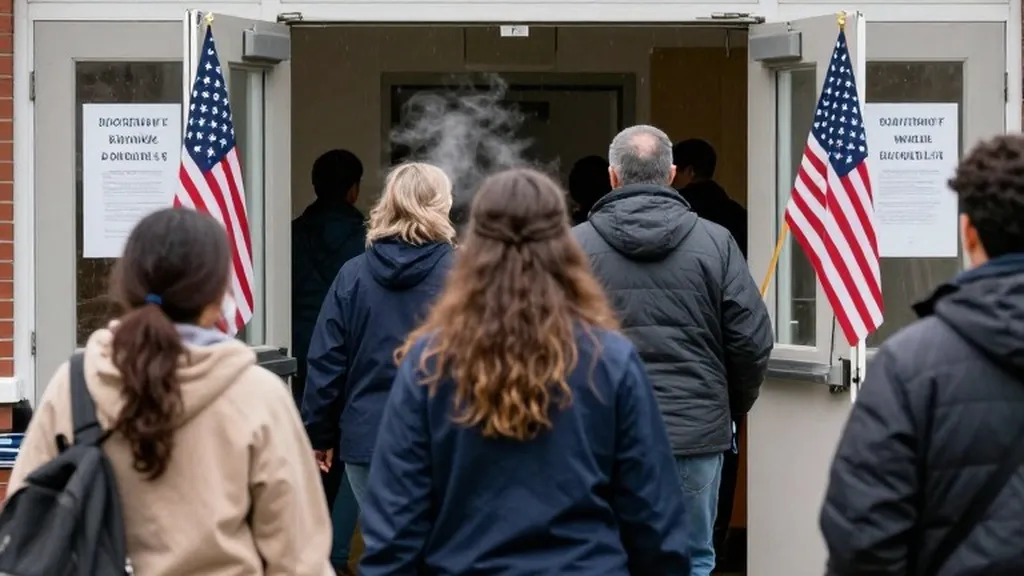
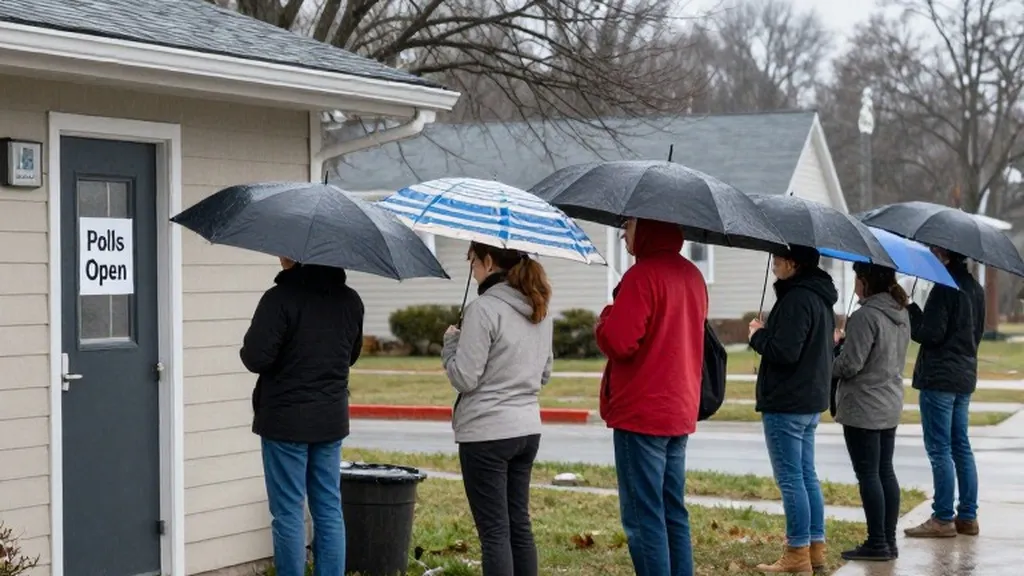
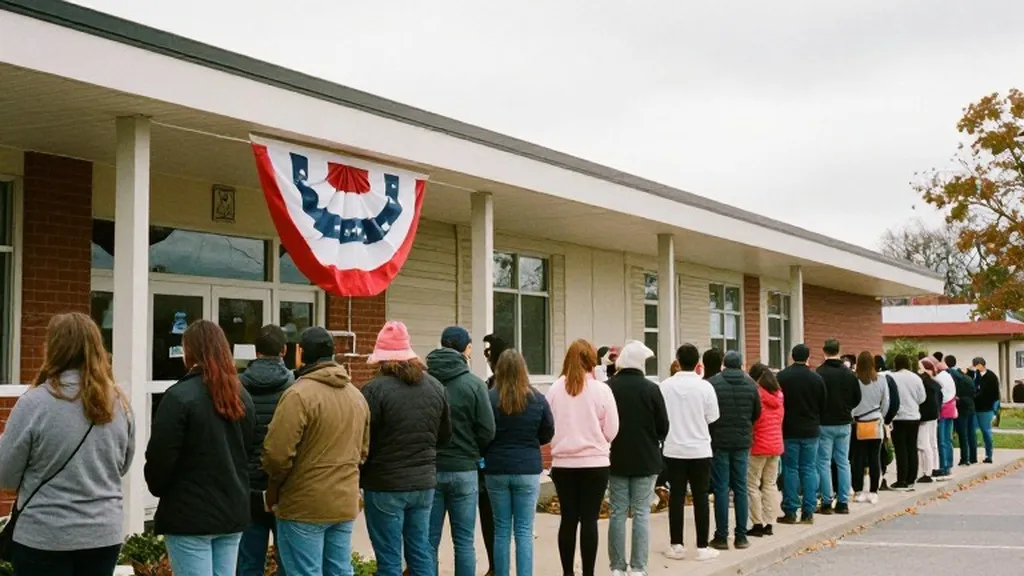
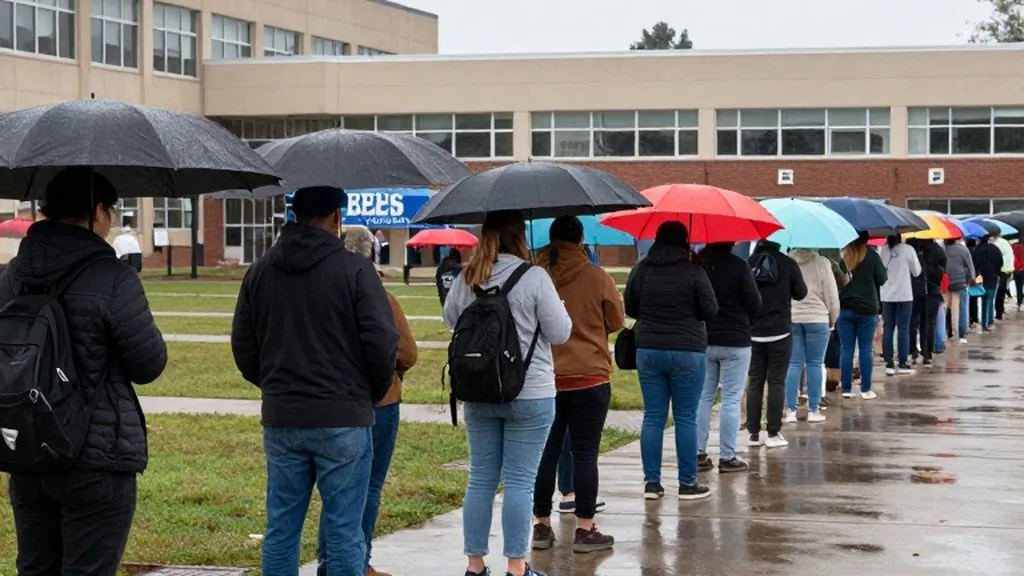
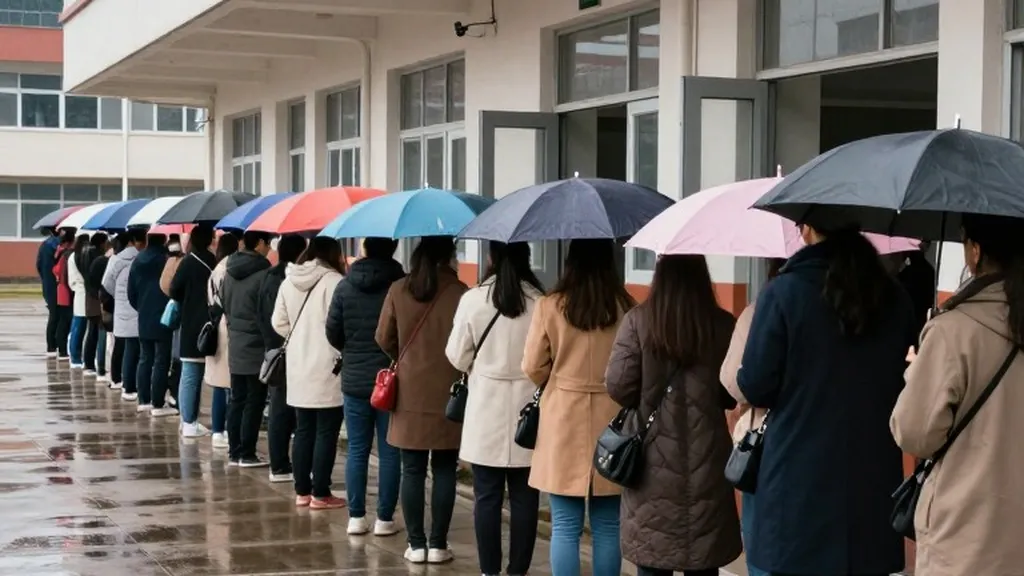
Voters across the United States are heading to the polls on Election Day to decide who will hold the executive branch in 36 states. The Associated Press reports that this mid term election occurs halfway through the second term of President Donald Trump. The outcome of these races will determine the balance of power in the executive branch for the remainder of the current administration. Republicans currently hold 26 governor's offices, while Democrats hold 24. Among the specific offices on the ballot in 2026, each party holds 18 seats, creating a perfectly balanced starting point for the national contest.
According to Ballotpedia, 19 of the 36 governor races do not feature an incumbent on the ballot. This high number of open seats is driven by term limits and strategic decisions by sitting governors. Fifteen governors are term limited and cannot seek re election. In addition, Iowa Governor Kim Reynolds, Minnesota Governor Tim Walz, and Wisconsin Governor Tony Evers chose not to run for their respective offices. Rhode Island Governor Daniel McKee lost his primary contest, leaving his seat open as well. These vacancies introduce significant uncertainty into races that might otherwise have been defined by the popularity of the sitting official.
Democrats are targeting a net gain of two governorships to secure a nationwide majority. This would mark the first time in two decades that the Democratic Party holds more governor's offices than the Republican Party. Republicans have maintained a majority of governorships since 2010. The Associated Press notes that Democrats are cautiously optimistic about their chances in this area, while Republicans are focused on holding the Senate and limiting losses in the House. The control of these state executive branches will influence policy implementation and the appointment of state level judges and officials in the coming years.
Nine states are identified as battlegrounds for the governor's office. These states include Alaska, Arizona, Georgia, Iowa, Kansas, Michigan, Nevada, Ohio, and Wisconsin. In these races, the outcome is closely contested and could swing either way. For example, in Georgia, Republican health care executive Rick Jackson is running against Democratic former Atlanta Mayor Keisha Lance Bottoms to succeed Brian Kemp. In Nevada, Republican Governor Joe Lombardo faces Democratic Attorney General Aaron Ford. These matchups are being closely watched by national parties as they seek to expand their footprint in key states.
The Associated Press highlights specific dynamics in several of these competitive races. In Ohio, Republican Vivek Ramaswamy is competing against Democrat Amy Acton. Ramaswamy's campaign faced public backlash over an advertisement featuring Acton's estranged mother, adding a personal dimension to the contest. The AP also identifies Texas, Florida, and Iowa as competitive governor races, although they are not always listed in the primary nine battlegrounds defined by Ballotpedia. Democrats are defending five governorships in states that Donald Trump won in the 2024 presidential election. These states are Arizona, Kansas, Michigan, Pennsylvania, and Wisconsin.
Conversely, Republicans are defending two governorships in states that Kamala Harris won in 2024. These are New Hampshire, where Governor Kelly Ayotte is running, and Vermont, where Governor Phil Scott is seeking re election. The AP notes that the economic strain and tariffs have made states like Maine competitive, though Maine is not listed among the nine governor battlegrounds. The mood of the election, as described by the Associated Press, is one of a referendum on the president's second term. Voters are struggling with high prices and are angry over an unpopular war with Iran. This sentiment is influencing choices across all levels of government, including the governor's mansion.
Polling data from AP NORC indicates that 35 percent of U.S. adults approve of President Trump's job performance. Only 25 percent approve of his handling of the economy. About seven in 10 respondents say the country is heading in the wrong direction. Most of these respondents blame the president for high prices. This economic dissatisfaction is a key factor in the governor races, where state budgets and local cost of living issues are prominent. More than 57 million people had already voted as of Monday, surpassing the early vote totals from four years ago in many closely watched states. This high level of early participation suggests a strong engagement with the mid term cycle.
The financial aspect of these campaigns is also a point of interest. The 2026 elections are likely to be the most expensive in history. Republican committees have outraised and outspent Democratic committees, aided by Trump affiliated groups and support from Elon Musk. However, at the candidate level, Democrats have outraised their opponents. An analysis of AdImpact data by the Associated Press shows that 88.1 percent of Republican general election television ad spending went to states and districts that Trump won in 2024. This includes more than 850 million dollars in states where he won by 10 points or more. This spending strategy reflects a focus on consolidating support in friendly territory.
Voters are making their decisions in the context of a complex political landscape. In North Carolina, Democratic former Governor Roy Cooper is running for governor, while in Kansas, the race is part of a broader fight for control of the state. The Associated Press quotes RNC Chairman Joe Gruters, who said that everything depends on turnout and that the party has been planning for this moment. Democratic Congressional Campaign Committee Chair Rep. Suzan DelBene stated that the American people are angry and want change. These contrasting views highlight the stakes of the day. If Democrats win even one chamber of Congress, investigations and possible impeachment proceedings become likely, which could further impact the political environment for governors.