NASA to Launch Nancy Grace Roman Space Telescope
The new observatory is scheduled to orbit a Lagrange point and begin operations by the end of the decade.
By Chinedu Schneider ·
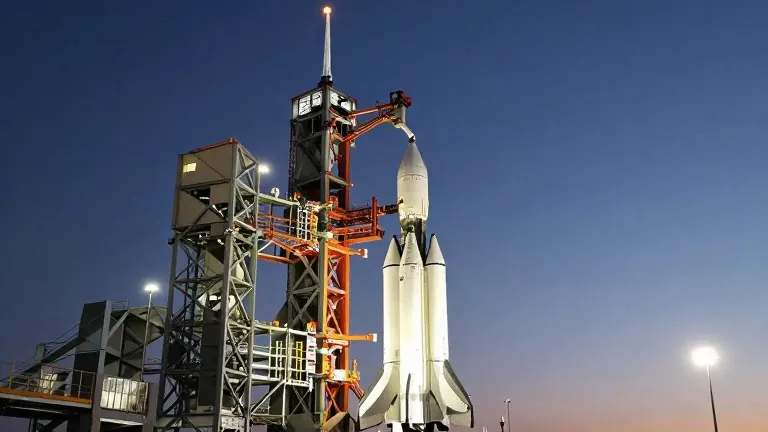
NASA is preparing to launch the Nancy Grace Roman Space Telescope, a new observatory designed to probe the mysteries of the early solar system and the structure of the universe. The agency intends to use the telescope to identify Trojan asteroids and investigate intense radio noise detected from deep space.
The Roman Space Telescope is part of a wider effort to expand humanity's view of the cosmos beyond the capabilities of current instruments. It will join other missions, including the Juno probe, which has provided new images of Jupiter, and the International Space Station, which is scheduled for deorbiting in 2030. These projects collectively aim to answer long-standing questions about whether Earth is alone in the universe.
Astronomers are particularly interested in the telescope's ability to study Trojan asteroids. These space rocks are considered mysterious and hold clues about the formation of the solar system. The Roman Space Telescope will also monitor solar activity, which is currently increasing and offering better viewing conditions for sky watchers on Earth.
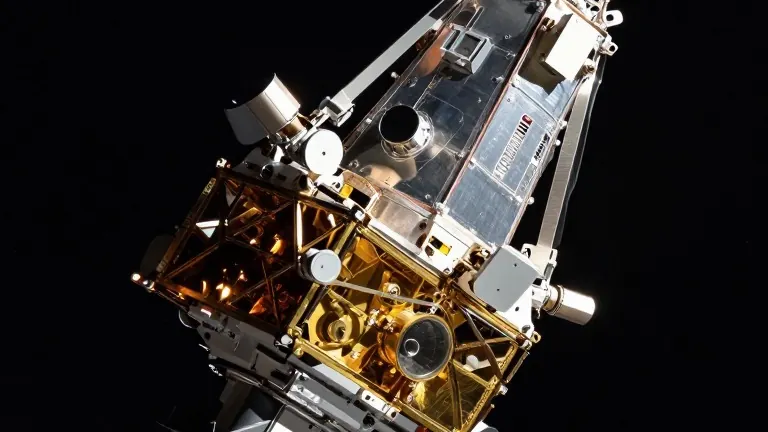
The Nancy Grace Roman Space Telescope is named in honor of a prominent astronomer. It represents a significant advancement in telescope technology, building on decades of progress in optical engineering. The instrument is designed to capture detailed images of celestial objects, including nebulae of five different types and the unique features of the Andromeda galaxy.
The launch is set to take place in the coming years, with operations expected to begin by the end of the decade. The spacecraft will not rely solely on rocket propulsion for its final positioning; it will use gravitational assists from planets to increase its speed and reach its orbital path.
Public interest in space exploration has grown in recent years, with new missions to the moon and increased visibility of meteor showers such as the Perseids. The Roman Space Telescope is expected to provide data that will help scientists understand the movement of stars and planets in the night sky, as well as the effects of weather on the moon's surface.