Riyadh Toll Hits 13 as Alliance Delegates Press Iran on Houthi Strikes
Saudi, Pakistani, and Turkish envoys met Tehran on October 26 to halt attacks that have closed key oil routes and killed dozens.
By Chinedu Schneider ·

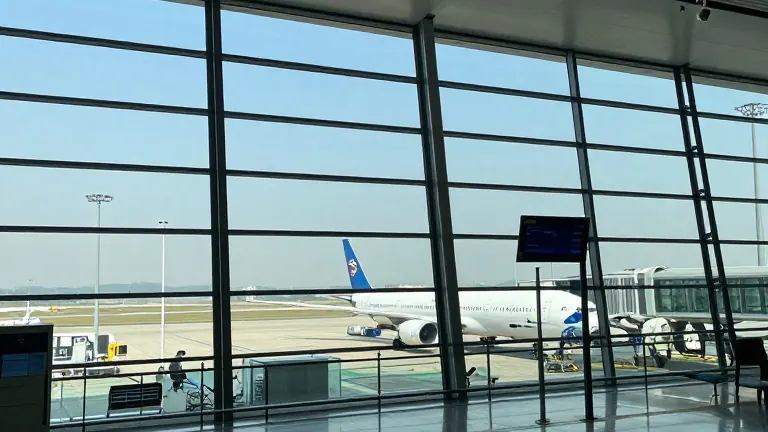
Thirteen people died and more than 300 were wounded when Houthi rebels struck Riyadh’s King Khalid International Airport earlier this month. The attack has forced a snap meeting in Tehran, where representatives from the Mecca Defense Alliance are negotiating with Iranian officials on October 26.
The alliance is a trilateral mutual-defense pact between Saudi Arabia, Pakistan, and Turkey. Its charter mirrors NATO’s Article 5, stating that an armed attack on one member is an attack on all. The three nations joined forces to address conflicts in the Middle East that have disrupted global flows of oil and cargo.
A senior security official in Islamabad told RFE/RL that the primary goal is to convince Iran to use its influence to stop Houthi attacks on Saudi Arabia. The official said the alliance is prepared to leverage closer Saudi-Israeli security cooperation if Tehran refuses to act. “The key question is why Iran should comply? The answer is that Saudi Arabia may ask for support from Israel and that will potentially require them to join the Abraham Accords,” the official said.
The Abraham Accords, signed in 2020, normalized relations between Israel and several Arab states, including the United Arab Emirates and Bahrain. The Islamabad official noted that Turkey already has diplomatic ties with Israel, making the trio’s proposed leverage viable. However, the official added that Iran is unlikely to soften its stance on negotiations with the United States over the ongoing war.
The Houthis, who operate primarily from Yemen, have intensified missile attacks on Saudi airports and oil infrastructure. These strikes coincide with the closing of the Strait of Hormuz, a waterway that normally transports about one-fifth of the world’s oil and gas. The closure has already curtailed energy transit in the region.
Diplomatic tensions between Iran and Pakistan have also risen. Islamabad closed two border crossings in Baluchistan and suspended operating clearance for Mahan Air, an Iranian airline linked to the Islamic Revolutionary Guard Corps. In response, Iran stopped exporting Liquified Petroleum Gas (LPG) to Pakistan, a move that caused gas prices to rise sharply. Pakistan imports approximately 7,000 metric tons of LPG daily from Iran.
Reza Amiri Moghadam, Tehran’s envoy to Islamabad, said consultations are under way to address cross-border trade issues. He noted that several hundred trucks carrying LPG have remained unloaded at the Rimdan border for several weeks. Hamidreza Azizi of the International Crisis Group described the Tehran meeting as a last-minute attempt to prevent a resumption of war between Iran and the United States.
Source: RFE/RL