Seattle Fines Lime $74,500 and Tightens Micromobility Rules
New permits effective April 2026 mandate advanced GPS tracking and increase maximum rider fines from $20 to $50 to address parking obstructions.
By Bianca Shevchenko ·
Seattle transportation officials assessed a total of $74,500 in fines against micromobility operator Lime for violations incurred during the previous year. The financial penalty includes $67,000 for parking obstructions and an additional $7,500 for compliance failures. These compliance fines resulted from the company's failure to properly review obstruction records and from exceeding its permitted fleet limit for one month. The Seattle Department of Transportation has not yet released data for the current year, though local media outlets have requested the figures.
To address recurring issues with device placement and rider behavior, the city updated its operating permits for bike and scooter companies on April 1, 2026. The revised regulations require operators to implement new technology designed to detect and discourage reckless riding and improper parking. SDOT stated that the updated permits mandate more accurate GPS sensors to identify when devices are parked inappropriately. These sensors also allow for automatic speed limitations in designated slow zones within public spaces such as Seattle Center.
Under the new rules, built-in GPS technology ensures that devices are parked in designated areas. If a rider attempts to end a trip while the vehicle is in a restricted location, the system prevents the trip from closing. Riders must also use their smartphones to capture a photo of the properly parked device before finalizing their ride in the application. The city's Shared Micromobility Permit Conditions cap the total number of devices on city streets at 20,000 at any given time.
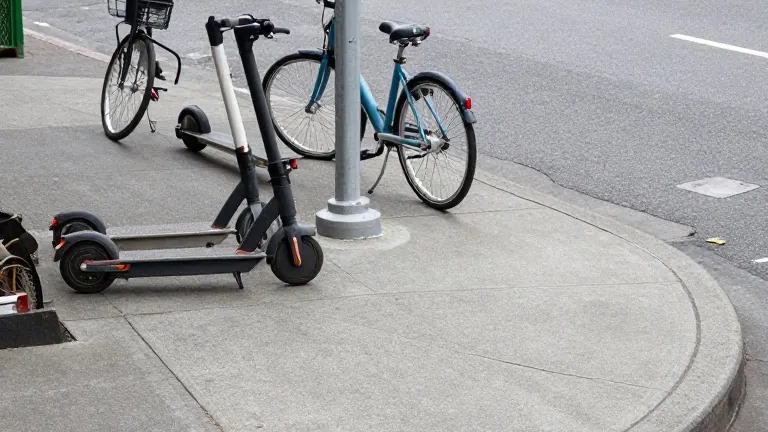
Specific parking restrictions prohibit users from blocking walkways, travel lanes, or crosswalks. Devices may not be placed in the middle of sidewalks, on street corners, or within 60 feet of bus stop signs on the side where buses pull up. Parking is also banned near wheelchair curb ramps. Approved parking locations include bike racks, curbside strips, and marked intersection daylighting zones within 20 to 30 feet of corners. Additionally, riders can use designated parking areas shown in the Lime app or one of more than 200 new downtown parking corrals built by the city since 2025. If parked on a sidewalk, riders must leave at least six feet of clear walking space.
Financial penalties for riders have increased under the new permits. Maximum fines for users not enrolled in the low-income reduced fare program rose from $20 to $50. SDOT confirmed that riders who ride or park improperly receive warnings first. Those who ignore warnings face disabled accounts or monetary fines. Repeat parking offenders are sent to a manual parking review process where the company issues warnings, fines, or account bans.
Lime stated that its contract fees and fines help fund local parking improvements in partnership with the city. Parker Dawson, senior regional lead of government relations at Lime, said the company is proud that the fines and permit fees support joint efforts with SDOT to make parking better for riders. Dawson noted that over the past 12 months, the company helped construct 230 new parking corrals in Seattle. Lime also uses an AI-enabled parking feature to provide real-time guidance to riders when they end a trip.
The company conducts daily foot patrols to fix fallen or misparked devices in busy neighborhoods such as downtown, the waterfront, the University District, and Capitol Hill. Residents can report blocking devices through Seattle 311, the city's Find It, Fix It app, or directly through the Lime app. Under city permit rules, a badly parked scooter can cost Lime up to $50. The company is required to remove reported devices within two hours during most of the day, four hours overnight, and 24 hours for minor issues.
Sean, a resident in Seattle's University District, described having to dodge a scooter rider on the sidewalk on Thursday despite a city ban and warning stickers on the devices. He said he has been hit by them before and noted that the devices weigh close to 50 pounds. Winnie, a regular rider, questioned whether the company should bear all the blame for parking issues, stating that the city lacks the correct infrastructure for the volume of scooters deployed.