Syria Mobilizes National Protest Against Southern Military Pressure
Mass demonstrations erupted in major cities following the death of a disabled man during a recent Israeli operation in the south.
By Chinedu Schneider ·
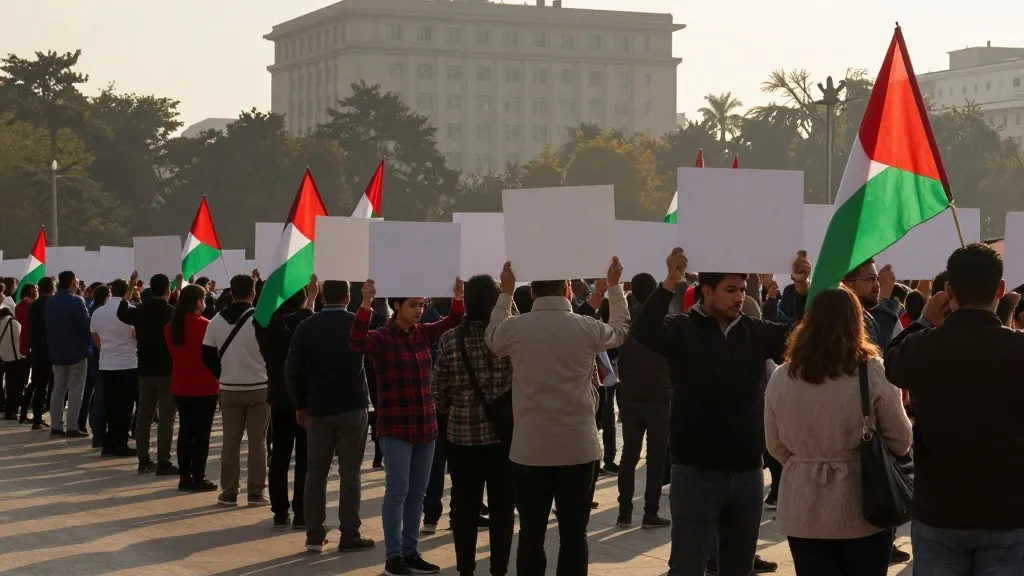
A surge of public dissent swept through Syria on Friday as citizens across the country staged rallies to challenge the frequency of Israeli military operations in the southern provinces. The demonstrations were triggered by the recent killing of a man with a disability during an incursion, an event that galvanized widespread anger and called for a unified national response to external military pressure.
State media outlets confirmed that large crowds assembled in the capital, Damascus, as well as in Homs, located in the central region. In these gatherings, protesters specifically directed their criticism at the military activities occurring in Quneitra and Daraa. The scale of the turnout suggested a growing consensus among the public that the repeated interventions require a visible and vocal opposition from the domestic population.
Taysir al-Hariri, a participant in the Daraa rally, articulated the collective sentiment to AFP. He stated that the crowd had gathered to convey a clear message to the global community that Syria remains cohesive in its stance against Israeli incursions. He emphasized that the nation stands firm against any attempt to interfere with its national security.
Visual evidence from state television broadcasts showed marchers holding signs with the inscription "We are all Moaz." This slogan directly references the man with special needs who, according to Syrian officials, was killed by Israeli fire earlier in the week during operations in Daraa province. The imagery served to personalize the broader geopolitical conflict, highlighting the human cost of the military presence.
In Damascus, families of individuals detained by Israeli forces held a specific demonstration outside a United Nations facility. Among them were the relatives of a man seized during recent operations. Children in the group held up placards with the simple plea "I want my dad," adding an emotional dimension to the political demands for release and stability.
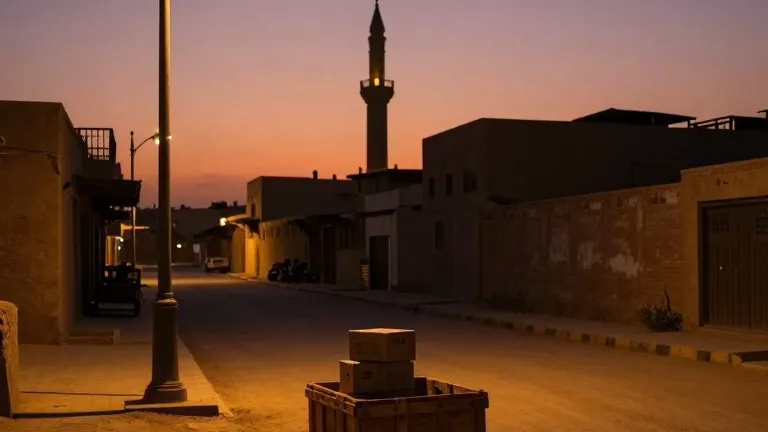
Reports from state sources also detailed specific military actions in Quneitra province on Friday. Israeli forces were observed advancing into certain sections of the territory while blocking multiple key roads. Local accounts indicated that troops had utilized heavy machinery to clear olive groves, established new checkpoints, and detained local residents within the affected area.
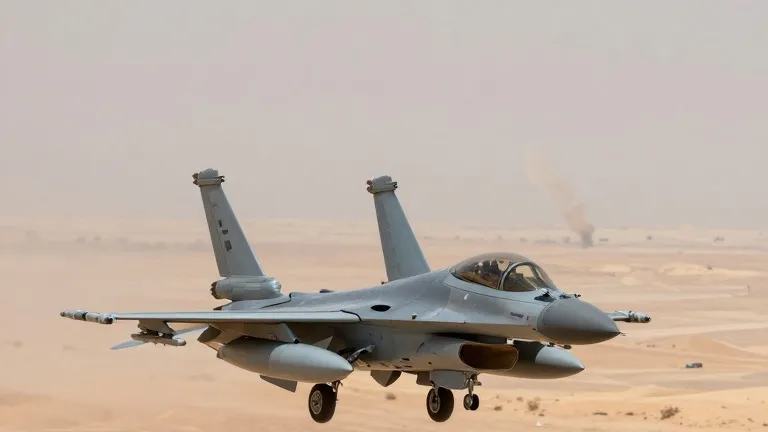
The current situation follows a significant shift in regional dynamics since December 2024, when a new government assumed power after the removal of longtime ruler Bashar al-Assad. Since that transition, the Israeli military has executed hundreds of strikes within Syrian borders and conducted frequent ground incursions. Additionally, troops entered the UN-patrolled buffer zone on the Golan Heights, a designated area that had separated the two militaries since 1974.
Israeli officials have maintained that they will retain a military presence in a designated security zone in southern Syria. The broader objective, as stated by Israeli leadership, is to create an expanded demilitarized area along the border. This strategic stance continues to drive the tension that fueled the nationwide protests on Friday.
Source: Middle East Eye