The 2026 Vote: What Happened After Polls Closed and How to Verify Your Ballot
With Democrats holding majorities in Congress, a practical look at the mail ballot rules, ID requirements, and the Postal Service's role in the new legislative landscape.
By Bianca Shevchenko ·
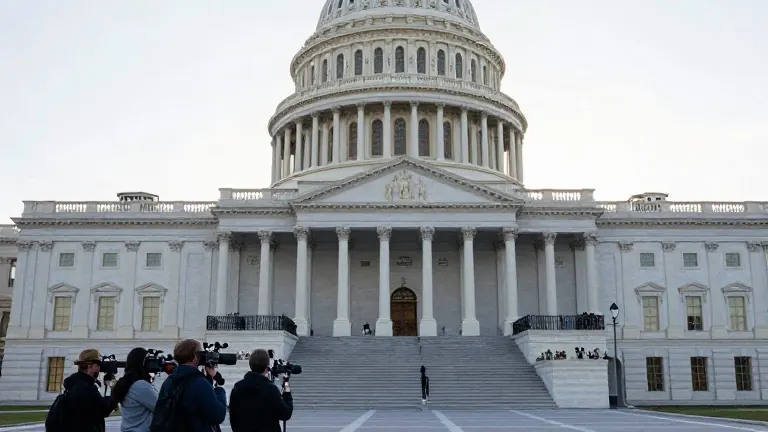
Midterm elections took place on Tuesday, November 3, 2026, for federal, state, and local offices across the country. The results are now in, and Democrats have won majorities in both the U.S. House and the Senate. As of 4 p.m. EST on November 6, Democrats will have at least a 250-157 majority in the House and a 54-44 majority in the Senate. This outcome marks a significant shift in power, with Republicans suffering a net loss of at least seven U.S. Senate seats. For voters who just cast their ballots, the process of ensuring those votes were counted correctly is now the primary focus. Understanding the mechanics of the election, from poll hours to mail ballot deadlines, is essential for anyone seeking to verify their participation in this new legislative era.
Poll hours varied significantly by state, requiring voters to check local schedules on Election Day. In many jurisdictions, polls were open from early morning until late afternoon, though specific times depended on local election laws. Voters who missed their local polling station could often turn to early voting sites if they had not already cast a ballot in previous weeks. The transition from election day to the post-election period means that the immediate concern for many is now the status of their mailed ballots rather than the logistics of standing in line.
Mail voting played a decisive role in this election, particularly in states like California. Most Californians voted by mail, and the rules for these ballots were strict. Any ballot postmarked by Election Day that arrived within a week was counted. This grace period is critical because it means that even if a physical envelope arrives days after November 3, it may still be tallied if the postmark date is correct. For voters in other states, similar rules often apply, though the specific window can vary from three to five days after the election. The Postal Service played a vital role in delivering these ballots, ensuring that rural and urban voters alike had access to the necessary forms and return envelopes.
Identification rules also differed by state, adding another layer of complexity to the voting process. Some states required voters to present a valid photo ID at the polling place, while others accepted non-photo identification or no ID at all if the voter signed a declaration. In mail voting scenarios, identification was often verified through signature matching against records held by the election office. Voters who were unsure about their ID status could check their state’s official election website, such as vote.gov, which provided a directory of state-specific requirements. This resource remains a key tool for voters looking to confirm their eligibility and understand any remaining procedural questions.
The Postal Service faced increased demand in the weeks leading up to the election, handling a surge in both outgoing and incoming mail. Officials noted that the volume of mail ballots required careful management to ensure timely delivery. In the days following the election, the focus shifted to the processing of these envelopes. Election officials in various states began the manual review of signatures and dates, a process that can take several days. This period of verification is standard practice and is designed to maintain the integrity of the count, especially in close races where every vote matters.
Results from this election show a clear shift in state power as well. Democrats won a plurality of state government trifectas and state legislative chambers. They also secured a majority of governorships for the first time since before the 2010 elections. As of November 6, Democrats had won 22 of the 36 gubernatorial races, while Republicans had won 12. Two gubernatorial races remained uncalled. This widespread change in control means that the new Democratic leadership in Congress will be working alongside a larger number of state executives who share their party affiliation, potentially streamlining legislative efforts on key issues.
Voters can still take steps to ensure their mail ballots were processed correctly. The first step is to check the tracking number provided when the ballot was mailed. Many states offer online portals where voters can input this number to see the status of their ballot, whether it has been received, opened, or counted. If a voter cannot find their ballot in the system, they should contact their local election office immediately. The deadline for filing a protest or seeking a recount varies by state, so acting quickly is crucial. This period of verification is a practical extension of the voting process, ensuring that the will of the electorate is accurately reflected in the final totals.
In California, the rejection of Proposition 40, a tax on the net worth of billionaires, highlights the intensity of the ballot fights this year. The measure failed as the 'no' side raised significantly more funds than the 'yes' side. Google co-founder Sergey Brin contributed more than $100 million to a political action committee working to defeat the measure. This result underscores the financial resources at play in modern elections and the importance of voters understanding the specific issues on their ballots. For voters who participated in this race, the outcome is now settled, but the debate over wealth taxation is expected to continue into the next legislative session.
The new congressional leadership is already taking shape. In the House, Republicans selected Rep. Jim Jordan of Ohio as their minority leader, defeating Rep. Steve Scalise of Louisiana in a secret ballot vote. Jordan, who serves as chairman of the House Judiciary Committee, emphasized his experience in oversight and his readiness to challenge the new Democratic majority. In the Senate, Republicans are expected to retain Sen. John Thune of South Dakota as their leader, despite calls for a delay in the leadership election. These leadership decisions will shape how the minority parties operate in the coming two years, focusing on investigations and policy proposals that could resonate with voters in 2028.