Democrats Seize Control of Both Chambers as Republicans Suffer Historic Midterm Loss
The new Congress begins with a Democratic majority in the Senate and House, setting the stage for immediate oversight battles and a shift in national power.
By Bianca Shevchenko ·
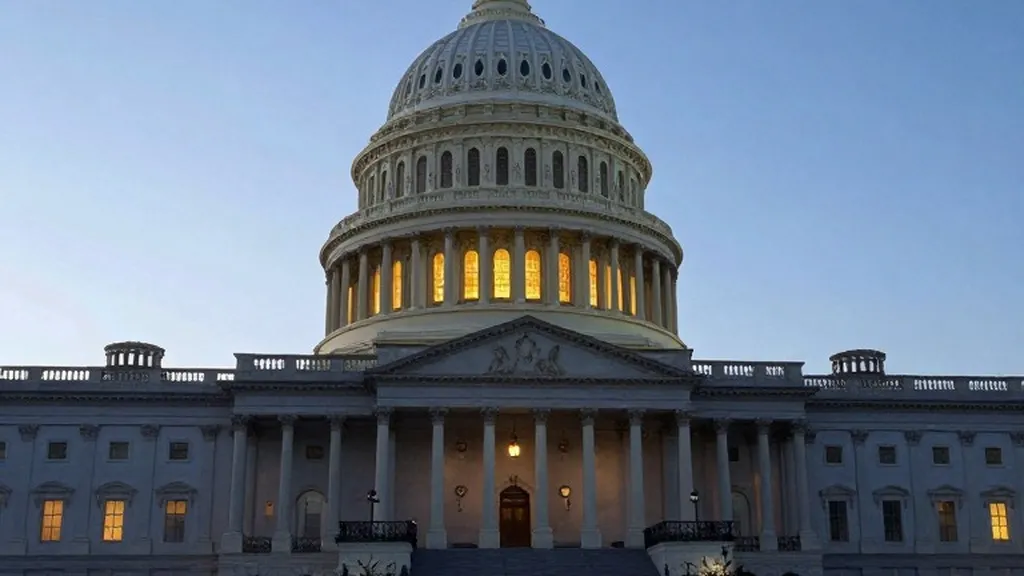
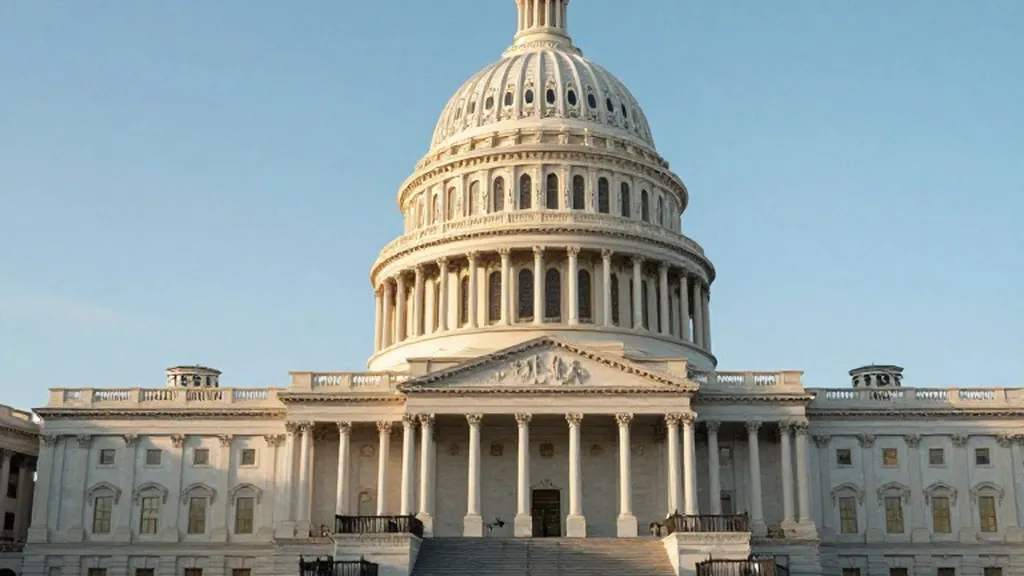
Washington is preparing for a significant shift in power as the results of the 2026 midterm elections are finalized. Democrats have secured majorities in both the U.S. House and the Senate, a decisive victory that ends the Republican hold on the legislative branch. According to Ballotpedia, which compiled the final tallies, Democrats picked up at least 43 House seats and seven Senate seats. All of the gained Senate seats were previously held by Republicans, marking a substantial realignment of the federal government.
The scale of the Republican loss is historically significant. The net loss of at least seven U.S. Senate seats places this election year in the top 20% of all election years in terms of seat swings against a sitting president's party. This threshold is widely defined by political analysts as a wave election. While the U.S. House has not yet reached that specific wave mark, the net loss of 42 seats represents a major setback for the party currently in the White House. The final numbers indicate that Democrats will hold at least a 250 to 157 majority in the House and a 54 to 44 majority in the Senate.
Statewide results reflect the national trend. Democrats won a plurality of state government trifectas and state legislative chambers. They also secured a majority of governorships for the first time since before the 2010 elections. As of 4 p.m. EST on November 6, the trifecta status had been decided in 44 of the 46 states. This broad geographic shift suggests that the change in power is not limited to a few key districts but is a widespread national phenomenon affecting both federal and state levels of government.
President Donald Trump reacted to the legislative changes by addressing a specific threat to his administration's agenda. He moved to force a vote to impeach Defense Secretary Pete Hegseth, pressing his fellow Republicans to remove one of the administration's most prominent figures. The impeachment resolution, introduced by Rep. Thomas Massie, focuses largely on the war in Iran but also references military actions in Yemen and Venezuela. Massie described Hegseth's actions as high crimes and misdemeanors, arguing that the secretary knowingly executed unlawful orders.
The timing of the impeachment push has created immediate tension in the House. A vote could come by mid-week, but the next steps remain uncertain. House Democratic Leader Hakeem Jeffries supports the measure, and if most Democrats follow his lead, Massie would only need support from a few Republicans to achieve the necessary majority for impeachment. If the House votes to impeach, the matter would fall to the Senate. However, Republicans remain in the majority in both chambers until the new Congress convenes in January with Democrats in control.
Republican leaders have expressed frustration at the move, viewing it as a strategic challenge during their final weeks in power. House Speaker Mike Johnson, who has tried to prevent the vote, stated that impeachment in the middle of hostilities abroad would be a terrible look for the country. He argued that it sends a difficult message to both allies and enemies. Senate Majority Leader John Thune expressed uncertainty about why the vote is being held now but noted that the Senate would have to deal with the outcome accordingly once it reaches their chamber.
Defense Secretary Pete Hegseth has stepped up his public defense ahead of the potential vote. Speaking at the Naval War College in Rhode Island, he brushed aside the impeachment push and stated his eagerness to defend the military actions taken against Iran, Yemen, and Venezuela. His response highlights the personal and political stakes involved for a senior cabinet member during a period of transition. The administration's position is further complicated by the new congressional dynamics, which will likely scrutinize these decisions more closely.
Beyond the executive branch, the new Democratic leadership is already preparing to use their oversight powers. Rep. Bobby Scott of Virginia, the top Democrat on the House Committee on Education and the Workforce, has pledged to leave no rock unturned in his review of the Trump administration's dismantling of the U.S. Education Department. He plans to use the committee's authority to issue subpoenas and hold hearings. Sen. Elizabeth Warren has called on her colleagues to hold the administration accountable for turning its back on students, signaling a focused legislative agenda for the incoming majority.
The transition of power also involves complex state-level narratives. In California, Xavier Becerra's victory continues a remarkable streak of five consecutive Catholic governors. This reflects the deep roots of Catholicism in the state's political fabric. According to the AP Voter Poll, Catholic voters, especially Latinos, played a crucial role in electing Becerra, who became the state's first elected Latino governor. This demographic shift aligns with the broader national trend of Democrats gaining ground in diverse suburban and urban areas.
Political observers note that while Democrats now control the levers of legislative power, the path forward is not without obstacles. President Trump has threatened to use his veto power against bills he views as harmful. This suggests that the new Congress may rely heavily on investigations and federal funding leverage rather than new legislation. The coming months will test the ability of the new Democratic leadership to navigate a divided government and implement their policy priorities against the backdrop of a significant national realignment.
The final result is a clear mandate for change, with Democrats holding the majority of seats in both chambers of Congress and a majority of governorships. The new Congress will begin its work in January, but the political machinery is already in motion. The combination of the impeachment proceedings in the House and the planned oversight investigations in committees indicates that the new leadership intends to use its full authority to review and potentially reverse key administration decisions. The stage is set for a period of intense legislative activity and political scrutiny.