Democrats Seize Senate Control After Winning 35 Seats in 2026 Midterm
Republicans lost at least seven seats, triggering a historic wave election as the chamber shifts to a 54-44 Democratic majority.
By Marco Ortega ·

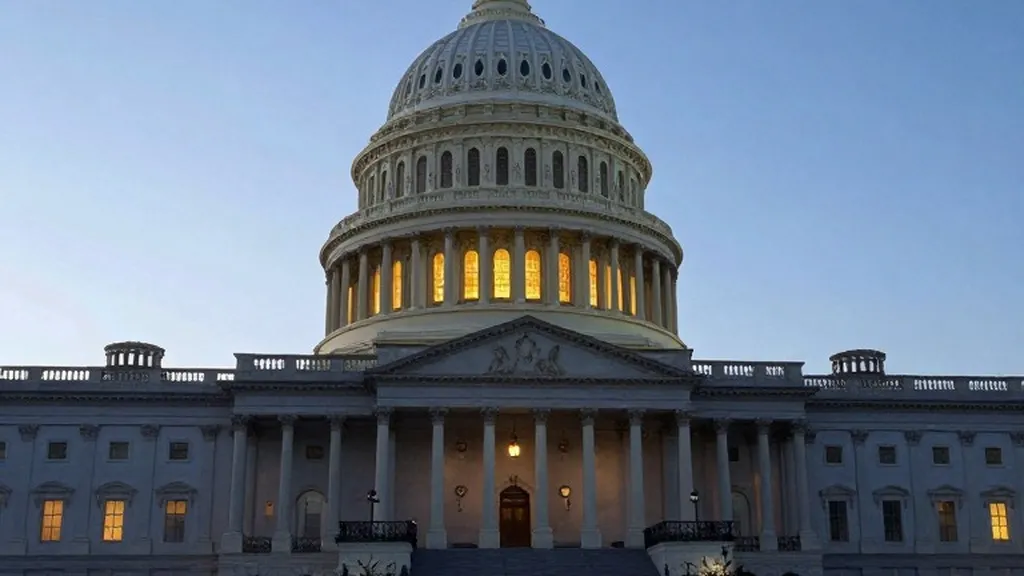
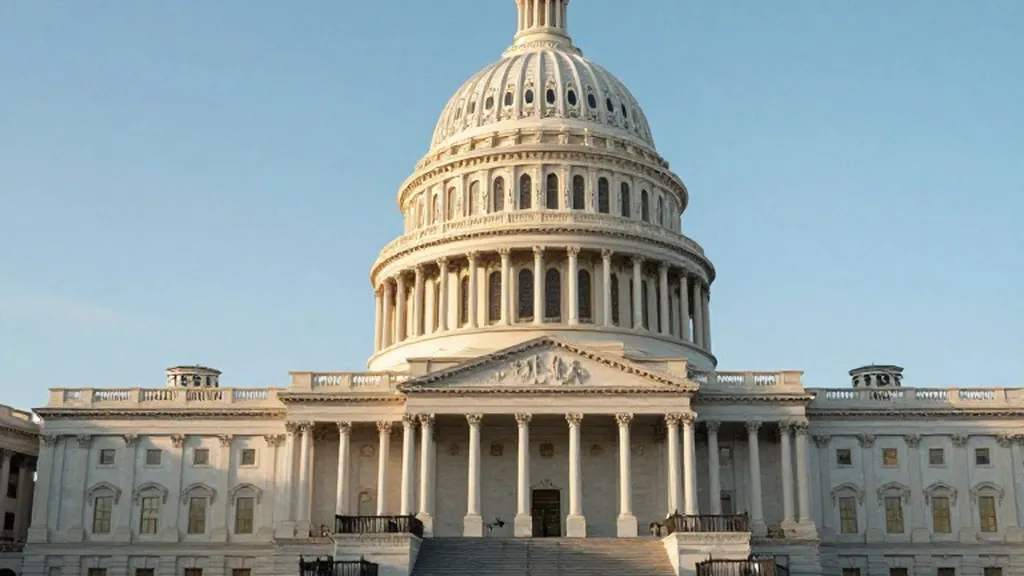
The United States Senate has undergone a significant structural shift following the midterm elections held on November 3, 2026. The final tally confirms that Democrats have secured a majority of the 100 seats, holding 54 positions against the Republican 44. This outcome marks a decisive transfer of power in the upper chamber, where the balance of influence is now firmly in Democratic hands. The change in control was driven by a net loss of at least seven seats for the Republican party, a margin that analysts have categorized as a wave election. This threshold is defined as a top 20 percent swing against the president's party in historical midterm cycles.
The political landscape in Washington has been reshaped by these results, which were compiled from verified sources including the Associated Press, Reuters, and Ballotpedia. The data indicates that all seven seats won by Democrats in this cycle were previously held by Republicans. This specific pattern of seat flipping highlights the vulnerability of Republican incumbents in this particular election cycle. The shift has immediate implications for legislative strategy, as the new majority party now controls the agenda-setting process in the Senate. The previous parity or Republican advantage has been replaced by a clear Democratic lead, altering the dynamics of committee assignments and procedural rules.
The 13 battleground states that were closely watched throughout the campaign have now produced results that define the new chamber composition. While the specific candidates for each of the 35 contested seats are part of the broader national picture, the aggregate result is what matters for the balance of power. The 54-44 split provides Democrats with a comfortable majority, though it is not the supermajority often required for overriding presidential vetoes. This numerical reality will influence how the new leadership approaches legislation, potentially requiring more negotiation or the use of procedural tools to advance their priorities.
President Donald Trump, whose party suffered these losses, has already begun to address the implications of the result. In recent remarks, he acknowledged the political challenges ahead, noting that the administration must now work with a Senate led by Democrats. The loss of seats in the Senate is part of a broader pattern of Republican setbacks, which also included a significant loss in the House of Representatives. Democrats gained at least 43 House seats, establishing a majority of 250-157. This dual control of both chambers of Congress represents a substantial check on executive power and will likely lead to increased scrutiny of administration policies.
The implications of the Senate majority extend beyond simple numbers to the specific areas of governance where Democrats have signaled intent. Senator Elizabeth Warren of Massachusetts, a key figure in the Democratic caucus, has called for holding the administration accountable for its dismantling of the Department of Education. This focus on education policy is emblematic of the broader agenda that the new Senate majority intends to pursue. With control of the chamber, Democrats will have the authority to confirm or reject presidential nominees, a power that becomes more potent when the party holding the majority is opposed to the president's political party.
The transition of power in the Senate will also affect the balance of state and federal relations. With Democrats now holding the majority, there is an expectation that federal funding and oversight will be used as leverage in several policy areas. Senator Chris Van Hollen of Maryland has indicated that the appropriations committee will look to use budgeting powers to establish guardrails against administration actions. This approach aligns with the broader Democratic strategy of using oversight and funding mechanisms to influence policy outcomes. The new Senate will play a central role in these efforts, as it must pass any spending bills before they can become law.
The election results have also been viewed through the lens of historical trends. The net loss of seven Senate seats for Republicans places this election in the top tier of midterm losses for the president's party. Such swings are relatively rare and often signal a broad shift in voter sentiment. The fact that all seven seats were flipped from Republican to Democratic control underscores the intensity of the competition in this cycle. The results suggest that voters in key states preferred Democratic candidates, reflecting a potential realignment in the national electorate.
As the new Senate convenes, the focus will turn to the practical aspects of governing with a divided government. The Democratic majority will need to work with a Republican White House, a dynamic that often leads to negotiation but also to potential gridlock. The experience of the past two years, where Democrats were in the minority, will inform their approach to building coalitions and passing legislation. The goal for the new leadership is to leverage their majority to advance their platform while maintaining enough stability to govern effectively.
The specific details of the 13 battleground races are now part of the historical record, with the winners taking their seats in the new chamber. The 35 seats that were up for grabs have been filled, and the resulting 54-44 split sets the stage for the next two years of legislative action. The shift in power is not just a change in numbers but a change in the institutional balance of the Senate. Democrats will now control the key committees, including those responsible for finance, judiciary, and foreign relations. This control will be a crucial tool in shaping the nation's future policies.