Courts and voting rules shape 2026 election aftermath
Legal battles over noncitizen voting, ballot orders, and postal measures defined the final days of the 2026 midterm cycle.
By Marco Ortega ·
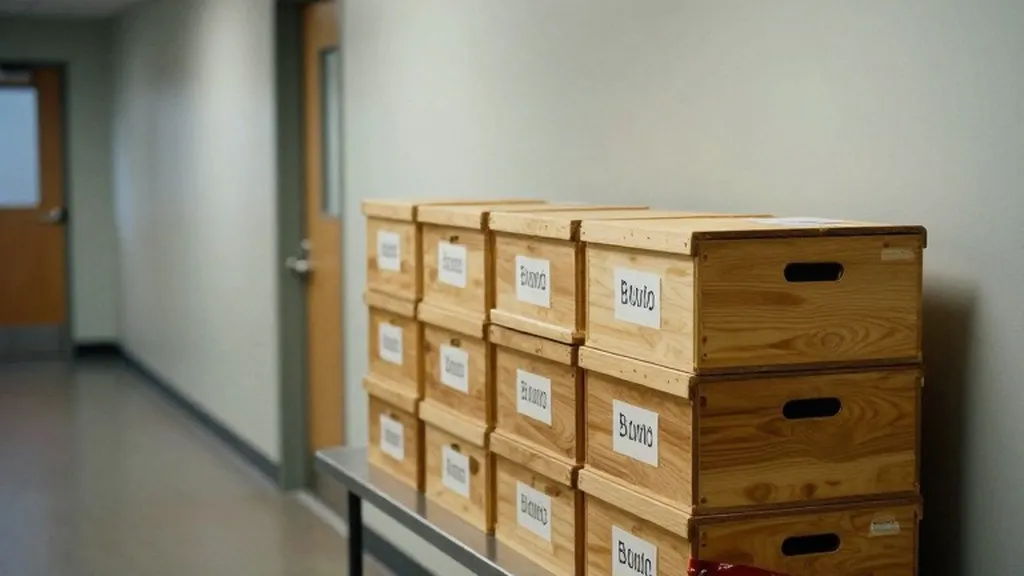
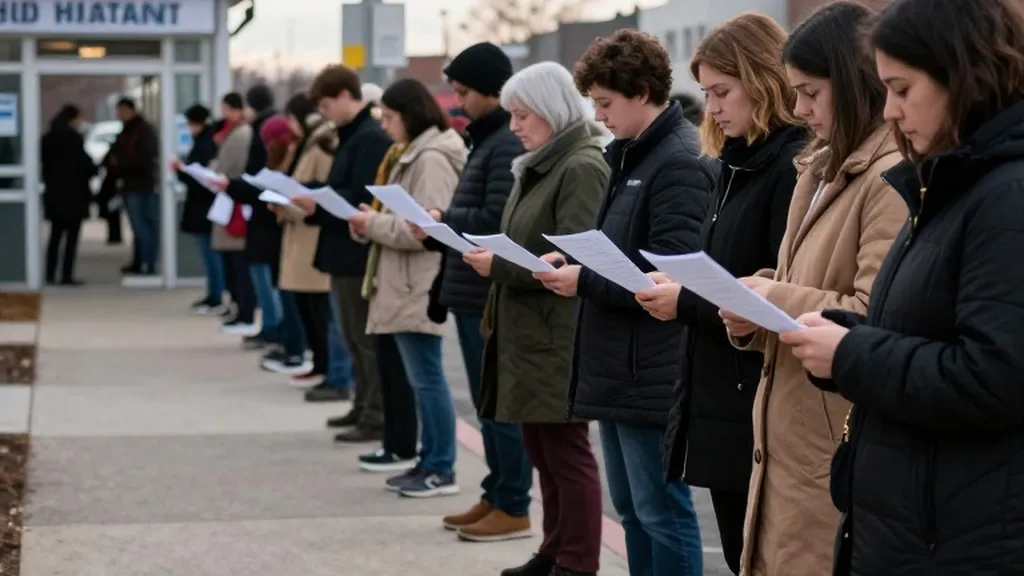
Legal disputes over who could vote and how ballots were handled dominated the final stretch of the 2026 midterm elections. Courts in California, Alaska, and other states issued rulings that altered local procedures. These decisions created a patchwork of voting rules that observers said influenced turnout and confidence in the process. The election took place on Tuesday, November 3, 2026, with results coming in over the following days.
A major focus was the noncitizen-voting ruling in California. Federal judges ordered the state to maintain a database of noncitizens who were registered to vote. This database was used to send notices to noncitizens who had voted in the past two years. The notices asked these individuals to certify their citizenship status or face potential penalties. Democrats argued the database was a tool to target minority voters. Republicans contended it was a necessary measure to ensure only eligible citizens participated in the election.
The California ballot order also drew significant legal attention. A lawsuit challenged the placement of the presidential race on the ballot. Plaintiffs argued that placing the top race further down the page reduced voter engagement. The court issued a temporary order keeping the current ballot layout for the 2026 cycle. This decision meant voters faced a ballot where the state legislature and other state offices appeared above the federal races. Legal experts noted that this layout had been in place for several cycles but was now under judicial scrutiny.
Alaska joined California in facing lawsuits over voting procedures. In Alaska, a case focused on the use of mail-in ballots for first-time voters. The state had required first-time voters to provide identification through their local elections office. A federal judge paused this requirement, allowing first-time voters to use a self-attestation form instead. This ruling increased the number of ballots that could be processed without in-person verification. The Alaska Department of Elections stated it would comply with the order while preparing an appeal.
The United States Postal Service implemented new measures to handle the surge in mail-in ballots. The agency added temporary staff in key processing centers across the country. These measures were designed to reduce the backlog of ballots that often occurred in the weeks following Election Day. The Postal Service also extended delivery timelines in some rural areas to ensure ballots reached counties by the legal deadline. These operational changes were cited by both parties as evidence of the system's strain under high mail-in turnout.
Results from the 2026 midterm elections showed a significant shift in power. Democrats won majorities in both the U.S. House and the Senate. They picked up at least 43 House seats and seven Senate seats. All seven Senate seats previously held by Republicans changed hands. Democrats will have at least a 250-157 majority in the House and a 54-44 majority in the Senate. This net loss of at least seven Senate seats for Republicans placed the election in the top 20% of election years in terms of seat swings against a president's party.
Republicans' net loss of 42 House seats was short of the 48 seats needed to qualify as a wave election by some definitions. However, uncalled races could still change that total. Democrats won a plurality of state government trifectas and a majority of governorships. This marked the first time Democrats held a majority of governorships since before the 2010 elections. The shift in state legislatures also gave Democrats control over more redistricting maps for the next decade.
The legal battles over voting rules continued to influence how states prepared for future elections. In California, the noncitizen database remained a point of contention for the state legislature. Lawmakers from both parties debated the cost and effectiveness of the database. Some proposed using a biennial update process to reduce the burden on voters. Others argued for a one-time cleanup of the registration rolls. The court's order required the state to continue sending notices for two years before any new legal challenges could be filed.
In Alaska, the pause on identification requirements for first-time voters led to a higher number of ballots being accepted. The state reported that approximately 98% of mail-in ballots were counted in the 2026 cycle. This rate was higher than the national average for mail-in ballots. The Alaska Supreme Court was expected to hear arguments on the identification requirement in early 2027. The outcome of that case could set a precedent for other states with similar mail-in voting systems.
The Postal Service measures proved effective in managing the volume of mail-in ballots. The agency reported that 95% of ballots were delivered to county offices by the statutory deadline. This was a slight increase from the 2024 cycle. The temporary staff hired for the 2026 election were expected to remain in place for the 2026 general election runoff in some states. The Postal Service also announced plans to review its processing facilities to improve efficiency for future high-turnout elections.
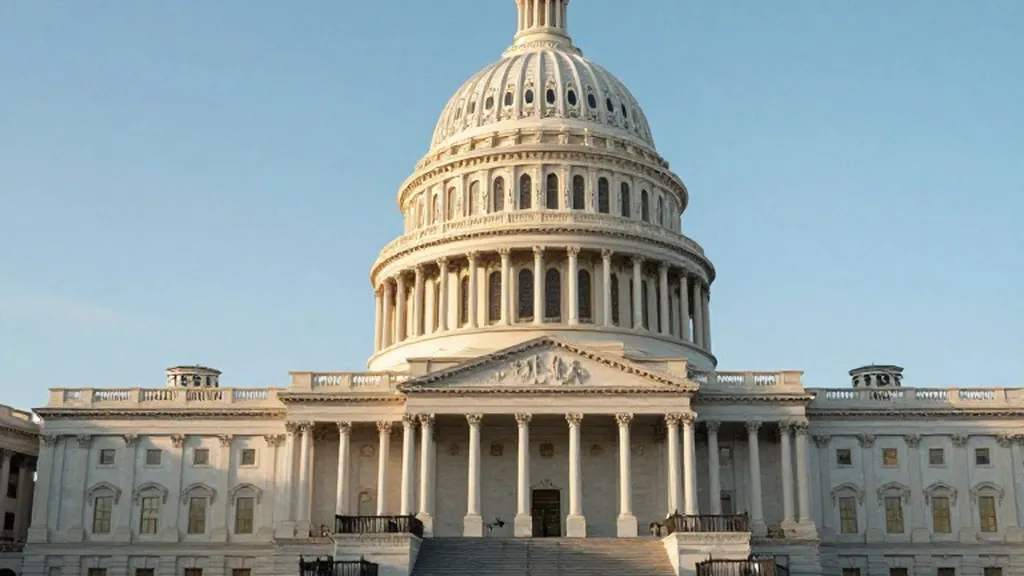
The 2026 election results confirmed the impact of these legal and administrative decisions on the political landscape. Democrats' gains in the Senate and House were attributed in part to higher turnout in suburban and urban areas. These areas often rely on mail-in ballots and are more likely to be affected by procedural changes. The noncitizen voting rulings and ballot order disputes did not change the overall outcome of the federal races but shaped the narrative of the election's legitimacy. As the new Congress convenes in January, these legal issues are expected to remain a focus for both parties.