2026 Midterms: A Record-Breaking Cost and a Democratic Surge
The most expensive election in history ends with Democrats seizing control of Congress, while new data reveals a complex split in party spending advantages.
By Chinedu Schneider ·

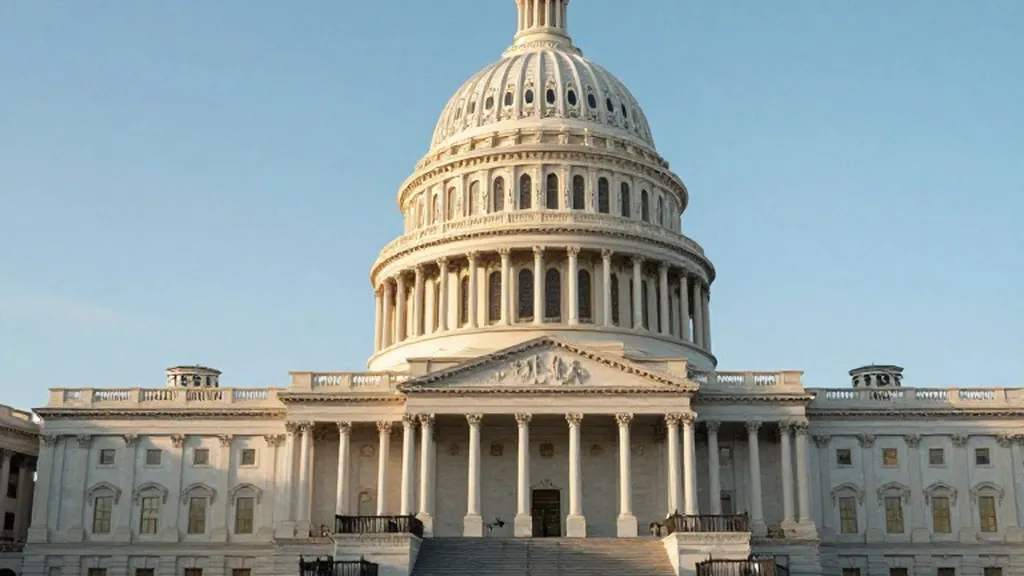
The 2026 midterm elections have concluded with a decisive shift in power that many observers are calling the most expensive election in American history. With results now in for federal offices, Democrats have secured majorities in both the U.S. House and the Senate, marking a significant departure from the previous political landscape. The financial scale of this campaign cycle has drawn intense scrutiny, with total expenditures reaching unprecedented levels as candidates and parties competed for every available dollar to influence the outcome.
According to compiled election data, Democrats picked up at least 43 House seats and seven Senate seats, all of which were previously held by Republicans. This net gain places the party in a commanding position, with a projected House majority of at least 250 to 157 and a Senate majority of 54 to 44. The loss of at least seven Senate seats for the Republicans is particularly significant, as it places this election year in the top 20% of historical election years in terms of seat swings against the president's party. This threshold is often defined by political analysts as a wave election, indicating a strong mandate for the opposition.
The financial backdrop to this political shift is equally striking. Reports indicate that total spending reached figures that have never been seen before, with specific metrics highlighting an 88.1 percent increase in certain spending categories compared to previous cycles. One of the most cited figures in post-election analyses is the $850 million amount attributed to a specific bloc of spending, a number that underscores the massive infusion of capital into the race. These expenditures were driven by a combination of national party committees, outside groups, and individual campaign efforts that aimed to outspend their opponents in key battleground states.
Despite the overall high cost, the distribution of funds between the two parties revealed a nuanced picture. While the total spending was record high, Republican committees maintained a slight edge in aggregate spending through their national organizations and aligned super PACs. This advantage in committee-level funding was attributed to a coordinated effort to support candidates in competitive districts where small margins could determine the outcome. The Republican strategy focused on leveraging these committee funds to amplify messaging and purchase media in markets where Democrats had a historical advantage.
In contrast, Democrats held a distinct advantage at the candidate level, where individual campaigns raised and spent more directly than their Republican counterparts. This candidate-level edge allowed Democratic incumbents and challengers to maintain a strong presence in their local districts, ensuring that voters were reminded of their records and policy positions throughout the final weeks of the campaign. The ability to match or exceed Republican spending at the local level was critical in holding onto key suburban seats that have become pivotal in recent election cycles.
The role of prominent figures in the 2026 cycle cannot be ignored, with Elon Musk emerging as a significant financial force. Musk's contributions, largely channeled through his political action committee, added billions of dollars to the Republican side of the ledger. His spending strategy focused heavily on digital advertising and direct mail, targeting voters in swing states with messages that emphasized economic stability and immigration reform. The sheer volume of Musk's spending helped close the gap in media coverage that Democrats often held in traditional news outlets.
However, the effectiveness of this spending is now a subject of intense debate among political strategists. While the Republican committee edge and Musk's contributions kept the party competitive in many races, the ultimate outcome saw Democrats capturing the majority of governorships for the first time since before the 2010 elections. This suggests that while spending can influence margins, it may not be sufficient to overcome broader voter sentiment or organizational strength at the grassroots level. The fact that Democrats won a plurality of state government trifectas indicates a broad-based appeal that extended beyond just the federal level.
The financial data also highlights the increasing importance of small-dollar donations and digital fundraising in modern elections. Both parties reported record numbers of small donors, but the Democrats' ability to mobilize these donors at the candidate level gave them a sustainable funding stream that was less dependent on large, late-breaking contributions. This structural advantage allowed Democratic campaigns to maintain a steady pace of spending throughout the cycle, rather than relying on a final surge of funds in the last two weeks.
As the new Congress prepares to convene in January, the implications of this spending pattern will likely shape legislative priorities. With Democrats in control of both chambers, they are expected to push for a series of bills that address issues such as healthcare, climate change, and labor rights. The financial resources that both parties have now demonstrated their ability to raise will likely lead to an even more aggressive lobbying environment, with industry groups and advocacy organizations vying to influence the new leadership.
The 2026 election cycle also serves as a case study in the changing nature of political finance. The record-breaking costs raise questions about the long-term sustainability of current fundraising models and the potential need for reforms to limit the influence of large donors. As lawmakers take their seats, the debate over campaign finance will likely become a central part of the legislative agenda, with both parties using the results of this election to argue for or against changes to the rules governing how money is raised and spent.
In the end, the 2026 midterms were defined not just by the parties that won, but by the unprecedented amount of money that was spent to achieve those victories. The 88.1 percent increase in spending and the $850 million figure in key categories serve as a testament to the high stakes involved in this race. As the political landscape shifts toward a Democratic majority, the legacy of this expensive election will continue to be analyzed by researchers and journalists for years to come.