Java Jacks Owner Adapts to Rising Costs in Virginia
A Tappahannock cafe owner details how inflation has reshaped her supply chain, staffing, and daily operations.
By Marco Ortega ·
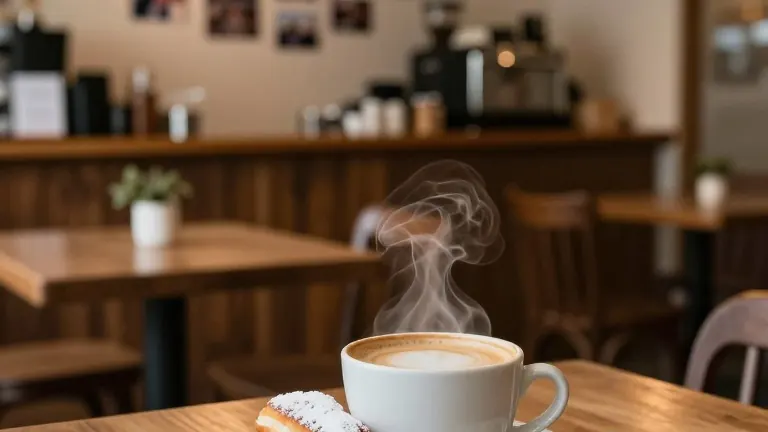
Small business owners in eastern Virginia are managing steep increases in the cost of goods and labor while trying to maintain affordable menu prices for local residents. In the riverside town of Tappahannock, Jeans Owens runs Java Jacks, a coffee shop that opened in 2006. She and her husband took over the business eight years ago, initially seeking independence and a stable retirement plan.
Owens reports that her coffee prices have risen by more than 30% since 2022. The cost of beef and sausage has also increased, forcing the cafe to raise prices for these menu items. She notes that the price of takeout boxes has nearly doubled, rising from 12 cents to almost 30 cents each. Similarly, the combined cost of a cup, lid, and straw has jumped from roughly 3 cents to over 20 cents.
Utility bills have presented another challenge. Owens states that her monthly electricity bill, which typically ranged between $450 and $500, recently exceeded $1,000. To offset these expenses, she has changed her purchasing habits. She now buys milk and juice from a Walmart in the early morning and sources fresh fruit from a local grocery store. She also compares prices among three different suppliers and switches vendors to secure the lowest costs.
Customer behavior has shifted in response to higher prices. Owens observes that more senior citizens are splitting orders, a trend she says was rare when she purchased the business. She also notes fluctuations in tipping, which decreased when gas prices spiked and increased when fuel costs fell. Despite these changes, she has kept some meals at $10 to remain accessible to her loyal customer base.
Staffing remains the most difficult issue for Owens. She operates a second coffee location across the river in Warsaw and has been short-staffed at both sites for months. Rents in the rural area, where the median income is approximately $50,000 annually, have risen sharply. Owens has helped employees find housing and has temporarily housed workers in a motel. Transportation is another barrier, so she currently carpools five employees to work. This labor shortage has forced her to take on kitchen shifts and handle front-of-house duties and paperwork in the evenings and on days off.
Tappahannock is located in the eastern part of Virginia's 1st Congressional District. The district is currently the site of a close midterm election between Republican incumbent Rob Wittman and Democrat Shannon Taylor. Owens, who is running for the non-partisan town council, says she wants the winning candidate to understand the financial pressures facing small businesses. She describes the current situation as a struggle. Across the river in Richmond County, Jameka Campbell, an office manager at the historical site Menokin, believes politicians need to engage with current economic realities. Campbell, who works two jobs and raises two children, says she is researching candidates' voting records and property ownership to determine how they will vote.
Campbell manages her household budget by using coupon apps and buying in bulk. She recently purchased a large supply of household items at a Walgreens in Callao, spending $60.04 and saving $27.71. She uses the savings for gas or food. At Menokin, which features art and artifacts related to the enslaved people who once worked the land, Campbell draws motivation from that history when facing financial stress. She notes that while her financial status is middle class, it can shift quickly depending on her employment and luck.
Source: KNKX Public Radio
More Business · Consumer Alerts · Report a business · Got a Story?