Democrats Win Three House Seats to Take Control as GOP Loses 53-47 Senate Advantage
Voters in Texas, South Carolina, and Kansas elected Democrats to statewide offices, marking a historic shift in political power.
By Bianca Shevchenko ·

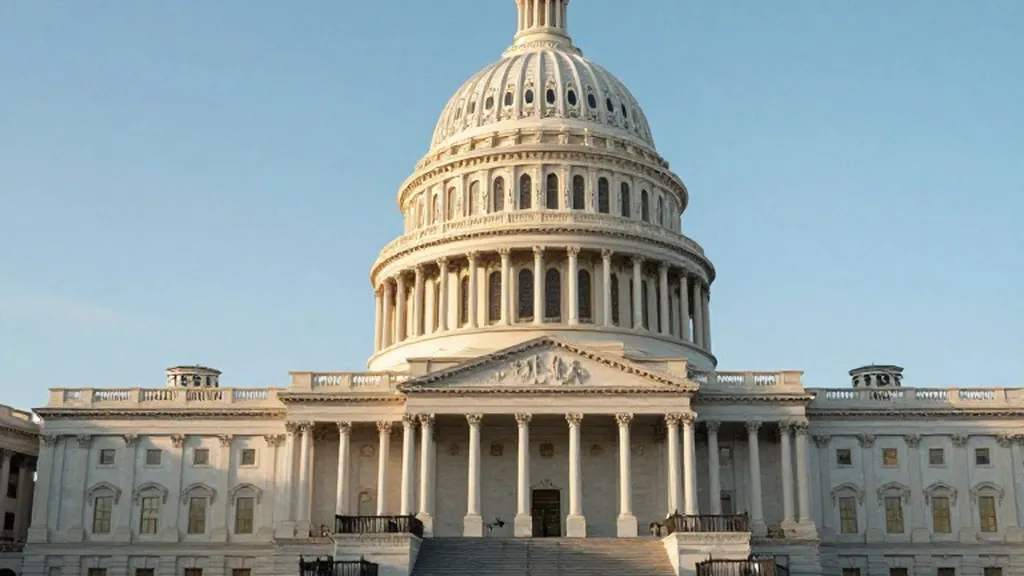
Democratic voters secured control of the House of Representatives on Tuesday, a result that reversed the political map in key battleground states. The party gained the three seats necessary to flip the chamber, a margin that was effectively locked in before polls closed in California, Nevada, and other Western states. This victory ends Republican control of the lower chamber and sets the stage for a new congressional majority when the next Congress convenes in January.
The Senate race presented a steeper challenge for Democrats, who faced a 53-47 Republican advantage at the start of the cycle. Despite this deficit, the party made inroads in states that Donald Trump carried in 2024. Approximately two-thirds of the contested Senate seats were located in states that voted for the president two years ago. Five of the seven competitive races were in states Trump won by double digits, making the Democratic gains in those regions a notable deviation from recent trends.
In Texas, James Talarico was elected to a statewide office, marking the first time in decades that a Democrat has won such a position in the state. Similar results occurred in South Carolina, where Annie Andrews secured a victory. In Kansas, Adam Hamilton defeated Roger Marshall to become the state's first Democratic U.S. senator since 1939. These outcomes signal a significant shift in the political alignment of the South and Midwest.
The Associated Press surveyed voters who expressed dissatisfaction with the current direction of the country. Roughly three-quarters of those sampled said they were angry or dissatisfied with the economy. Nearly seven in ten respondents indicated they wanted Congress to provide more checks and balances on the executive branch. These sentiments aligned with the voting patterns observed in the midterm elections.
Economic factors played a central role in the campaign. Tariffs and a conflict with Iran contributed to inflation, which increased the cost of gas, diesel, groceries, and fertilizer. These price hikes affected consumers in rural and small-town areas, regions that traditionally support Republican candidates. President Trump visited the Reflecting Pool in Washington on election eve, drawing attention to its renovation while addressing the public.
The president's approval ratings had declined to levels not seen since the Capitol siege in 2021. During the campaign, Trump urged supporters to treat him as if he were on the ballot. His involvement in Republican primaries resulted in the selection of candidates in Texas and South Carolina who subsequently lost. His policies on immigration also alienated Latino voters, a demographic that had supported him in record numbers in 2024.
The midterm results contribute to a long-term trend of political volatility. From 1960 to 1978, control of the White House, Senate, or House switched parties in three elections. Between 1980 and 1998, power shifted in four elections. Since 2000, there have been 12 elections where control changed hands. Tuesday's results represent the latest instance in this sequence of power transitions.
The Republican Party now faces the task of rebuilding its congressional presence. The Democrats hold the House and have gained seats in the Senate. The next Congress will convene in January, bringing into office new members from the states that changed hands on Tuesday. The legislative agenda will be shaped by the new majority and the specific margins of victory in each chamber.