Scalise and Jordan Battle for House GOP Leadership Post Midterm Loss
House Republicans will vote by secret ballot on Tuesday to select a minority leader, choosing between two candidates who offer different strategies for rebuilding after Democrats won back the chamber majority.
By Marco Ortega ·
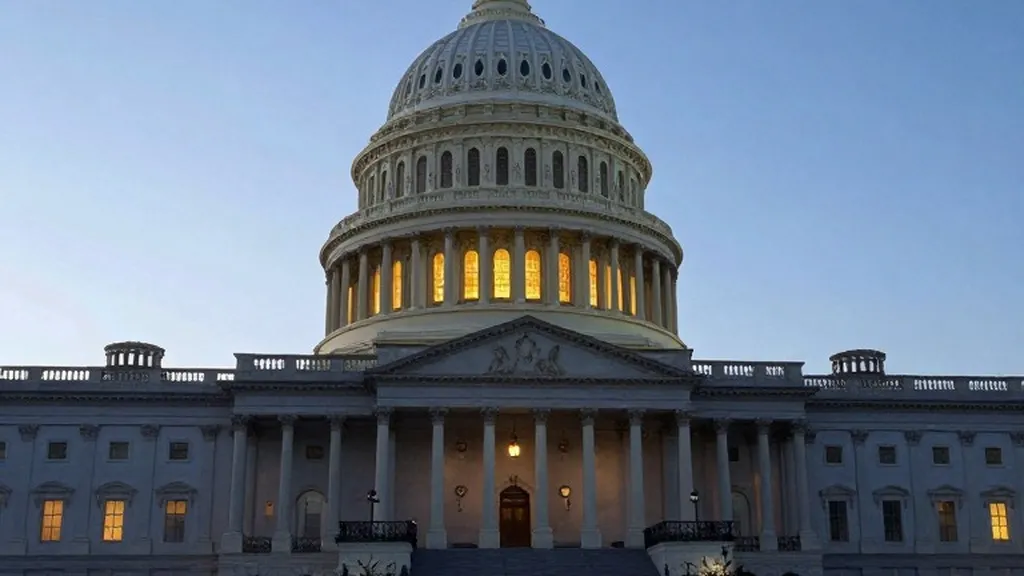
House Republicans will gather behind closed doors on Tuesday to elect a new minority leader for the 119th Congress. The vote comes one week after the party lost its majority in the midterm elections.
The contest pits Steve Scalise of Louisiana against Jim Jordan of Ohio. Both men served in prominent leadership roles under former Speaker Mike Johnson. The election will be decided by secret ballot among conference members.
Democrats flipped more than 40 House seats during the recent election cycle. This result ended the Republican hold on the chamber. The party now faces the task of organizing its opposition strategy for the next two years.
Scalise, 61, has served as House Majority Leader since 2023. He is viewed by colleagues as a more moderate figure within the party. In a letter to members, Scalise described his leadership style as "conservative and consensus-driven." He stated his primary goal is to win back the majority and hold leadership accountable to that mission.
Jordan, 62, has served on the House Oversight and Judiciary committees. He co-founded the House Freedom Caucus and is known for a confrontational approach. In his campaign letter, Jordan argued that "offense, not defense, wins elections." He criticized the current leadership team for lacking a clear plan and said he is "battle-tested on the oversight front."
Former Speaker Pro Tempore Patrick McHenry noted that the outcome will signal the party's direction. He said the decision would become a larger conversation about where the Republican Party goes from here. Strategist Leslie Shedd warned that the process can feel intense, requiring candidates to present a substantive vision for leading the conference out of a difficult spot.
John Leganski, an aide to former Speaker Kevin McCarthy, pointed out that more than 70% of the incoming Republican conference was elected after Donald Trump won his first term. Many of these members were elected because of Trump's popularity. Although Trump endorsed Jordan in the 2023 speakership race, he has stayed out of this specific contest so far. Leganski noted that the size of the Democratic victory will limit the power of the incoming minority leader when Congress convenes in January.
The 2023 speakership race ended with Johnson's election after multiple failed candidates. That process saw several contenders fail to secure enough votes in successive rounds. The current leadership battle mirrors that dynamic, with two candidates competing to define the party's tone and strategy for the coming session.