White House Power Shift: Trump Names Miller Chief of Staff
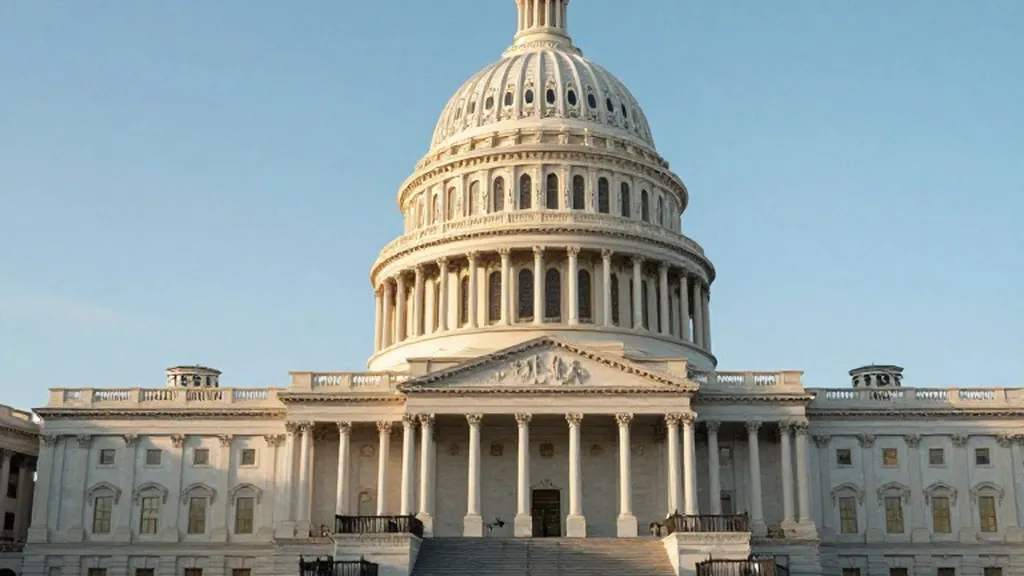
With the 119th Congress entering its final weeks, the new appointee takes over as lawmakers rush to pass a stopgap funding measure before December.
By Chinedu Schneider ·
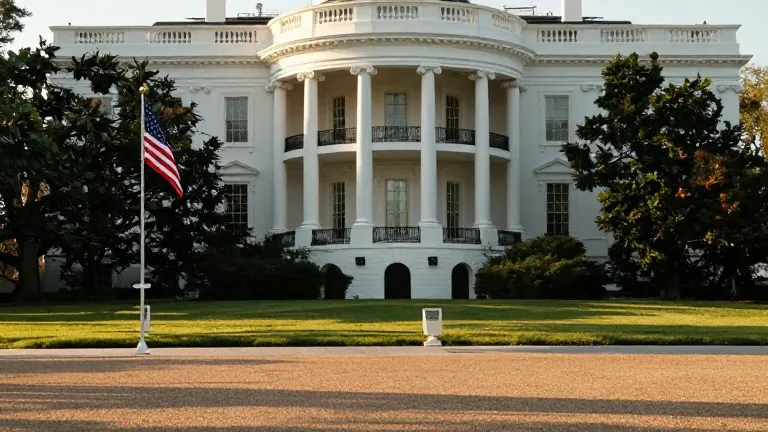
President Trump appointed Stephen Miller as White House chief of staff on Sunday, replacing Susie Wiles. This marks the administration's first major personnel change since the Republican Party lost control of both chambers in the midterm elections. Miller previously served as deputy chief of staff and played a central role in shaping the president's immigration policies. Voter data suggests that Democratic gains were partly driven by opposition to those enforcement efforts.
The political calendar is now compressed. The 119th Congress has only weeks left before a new Democrat-controlled House and Senate take office in January. Lawmakers must keep the federal government open, as current funding expires on December 11. A short-term continuing resolution is the likely path forward because there is insufficient time and political will to negotiate the standard 12 appropriations bills.
NPR's Eric McDaniel notes that attendance will be a critical issue for defeated Republicans. The House Republican majority stands at just two votes. Any absenteeism could jeopardize their ability to end their term on their own terms. In the Senate, Republicans are expected to push to confirm as many judges and Trump appointees as possible before Democrats take control. McDaniel says those confirmations will face significant resistance once the new Senate convenes.
Trump also posted on social media that he offered the White House Press Secretary job to Dana White, the CEO of the Ultimate Fighting Championship. The president later described the offer as a joke. NPR's Mara Liasson argues that the public takes presidential statements seriously, creating a challenge for the country when statements cannot be taken at face value.
Meanwhile, Nvidia launched an internal investigation after reports that CEO Jensen Huang had a close relationship with a woman accused of being a Chinese spy. The New York Times reported that a Chinese intelligence operation targeted Huang to move advanced AI chips to China. China denied the allegations in a press briefing on Monday. The U.S. embassy in Washington, D.C., has not yet responded to requests for comment.
Trump said he thinks Huang is a fine person. The House of Representatives has requested a closed-door briefing from Huang regarding his interactions with the suspected intelligence asset. Nvidia maintains that neither national security nor its secrets are compromised despite the ongoing investigations.
The next major legislative task is the funding extension. Republicans must secure the two-vote margin needed to pass the measure. The new Congress is scheduled to convene in January, at which point Democrats will hold the majority in both chambers.